Your cart is currently empty!
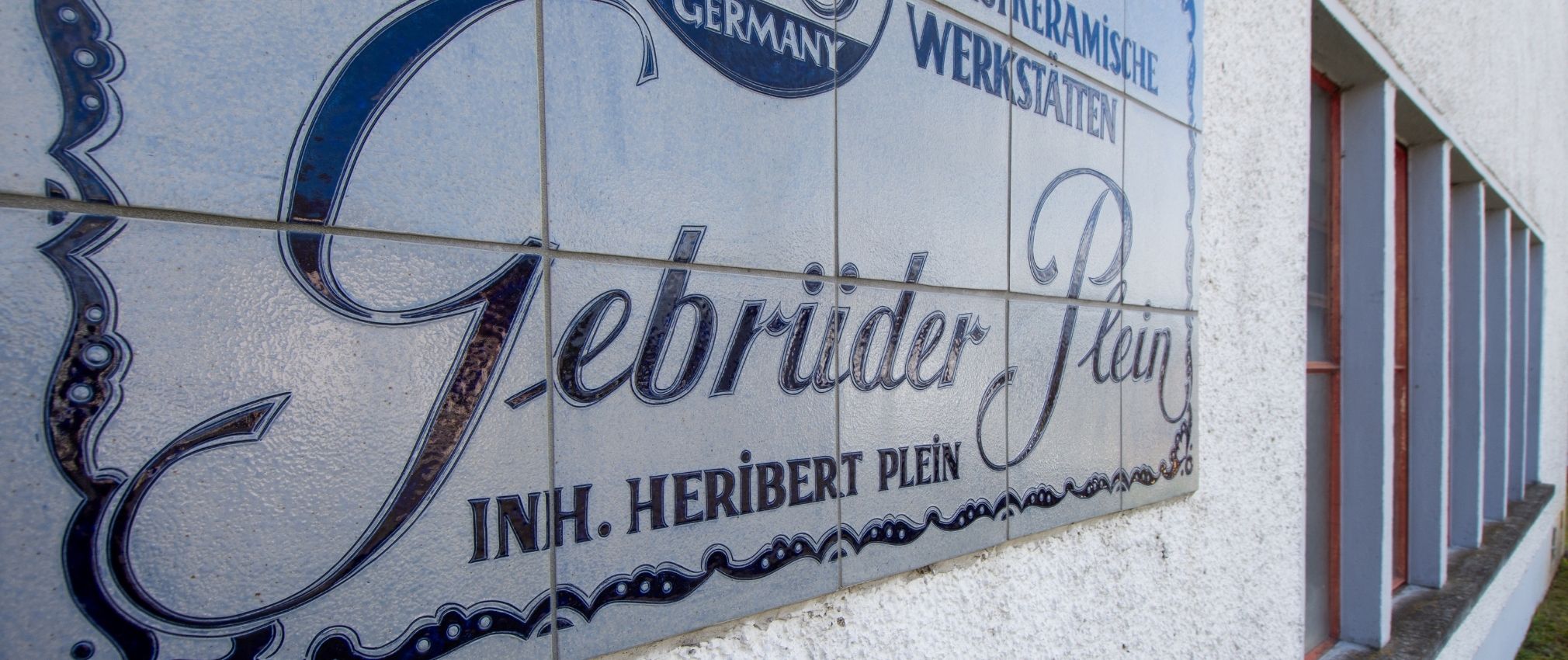

Photo-ceramic tiles
Photo-ceramic tiles – lasting imagery for interiors
colorfast, abrasion-resistant, and durable
Our photo-ceramic tiles offer architects and developers new ways to permanently integrate images, graphics, and information into architectural designs. Through the ceramic firing process, designs become inseparably bonded to the surface—color-fast, abrasion-resistant, and durable.
For interior use, photo-ceramic tiles are particularly well-suited for projects in which design, identity, and function are intended to form a unified whole.
Design with Ceramic Panels
Photoceramics make it possible to create:
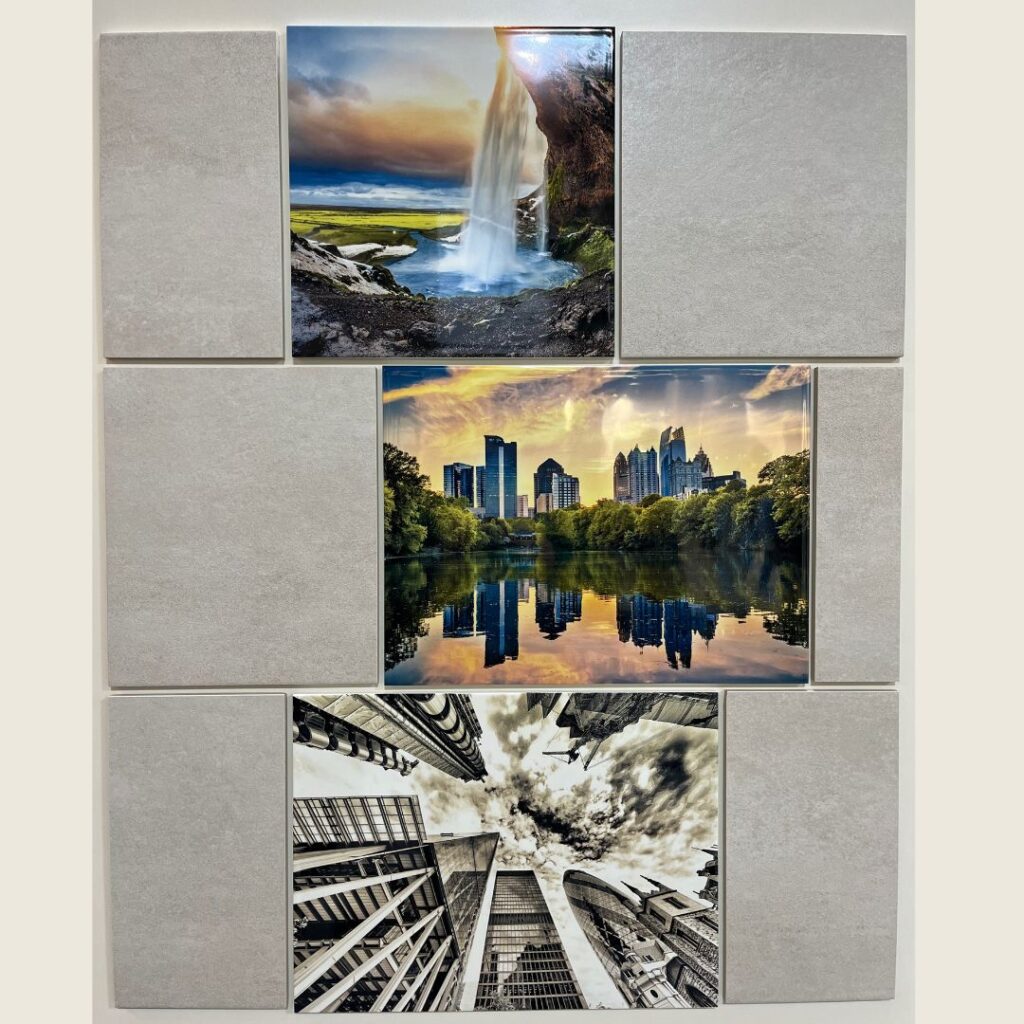
- Photographs, illustrations, and graphics
- historical or local motifs
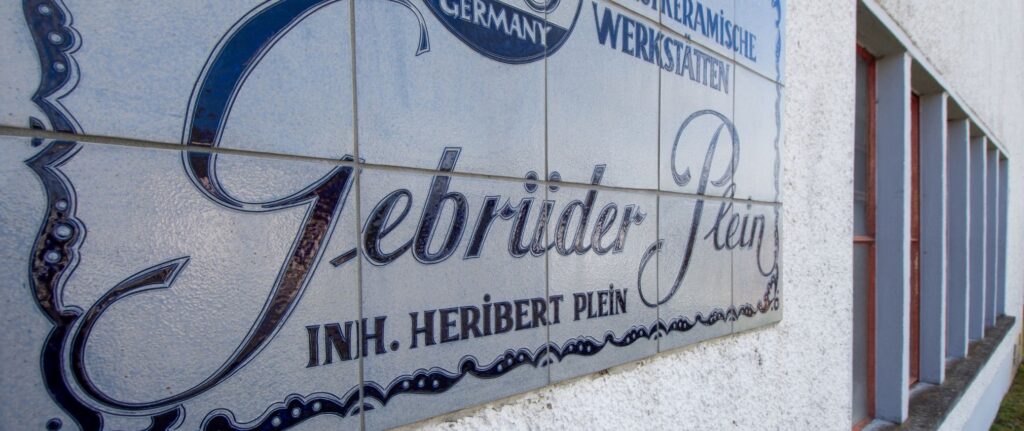
- typographic elements, text, and characters
- artistic works and concepts
The designs can be implemented as individual tiles, a continuous surface, or a large-format image composed of multiple modules. This creates subtle accents or striking design elements—depending on the architectural concept.
Benefits of Photoceramics in Interior Design
Compared to printed or laminated surfaces, photo-ceramic tiles offer significant advantages:
- High color and UV resistance
- Abrasion-resistant and scratch-resistant
- Easy to clean and hygienic
- Moisture- and chemical-resistant
- Non-flammable and suitable for sensitive areas
This makes photo-ceramic tiles particularly durable and ensures they maintain their high quality even with heavy use.

Applications Inside Buildings
Photo-ceramic tiles are used in a variety of indoor applications, including:
- Entrance and lobby areas
- Hallways, stairwells, and circulation areas
- Bathrooms and wet areas
- Kitchens, cafeterias, and break rooms
- Educational, Cultural, and Administrative Buildings
- Residential construction and high-quality private interiors
- Nursing homes, hospitals, and hotels
- Swimming Pools and Wellness Areas
They are suitable for both high-profile areas and functional spaces with strict hygiene requirements.
Integration into Material and Space Concepts
Photo-ceramic tiles can be harmoniously combined with natural stone, concrete, metal, wood, or glass.
Thanks to a variety of formats, surfaces, and grout patterns, they can:
- flush-mounted
- deliberately framed
- or be presented as a standalone design element
In this way, photo ceramics become part of the overall architectural concept—not merely decoration.
Custom-Made Items & Project-Based Manufacturing
We produce one-of-a-kind pieces as well as mass-produced solutions —tailored precisely to your project.
There is no minimum order quantity. Whether it’s a unique work of art, a custom design element, or a component of a larger construction project: Every project is executed with the same care and precision.
Planning, Implementation, and Individuality
Implementation is based on digital templates and carried out in close coordination with the planning and design teams. Designs can be developed, scaled, and tailored to the specific spatial context on a project-by-project basis.
For architects and developers, this means:
- Creative Freedom
- Consistent Quality
- Planning and Cost Certainty
- Durable design with no ongoing costs
Porcelain Tile or Ceramic Tile – The Difference
Ceramic tiles are formed and fired from ceramic raw materials. They are versatile, offer design flexibility, and are particularly well-suited for indoor use. Depending on the type, they provide a high-quality surface for wall and floor applications.
In addition to standard rectangular tiles, we also manufacture custom-shaped ceramic tiles according to your specifications.
Porcelain stoneware is a particularly densely sintered form of ceramic. Due to the high firing pressure and its nearly impervious surface, porcelain stoneware is extremely durable, has very low water absorption, and is exceptionally long-lasting.
It is coated with a thin layer of ceramic into which the image can be fired. When installed flush with the surface, you can hardly tell the difference.
Both materials are non-flammable, easy to maintain, and durable—the choice depends on design preferences, cost considerations, and frequency of use.
Photoceramics as Part of Architectural Art and Interior Design
In the context of architectural art or sophisticated interior design, photo ceramics enable a durable, material-appropriate integration of image and space. The imagery remains visible, tangible, and of lasting value—even decades later.
Photoceramic tiles are thus a versatile tool for architecture that creates identity and stands the test of time.
Colorfast and durable—even when used outdoors
Our photoceramic surfaces and tiles are permanently colorfast, UV-resistant, and weather-resistant. The designs are not printed on the surface but are permanently fused into it during the ceramic firing process. This makes them resistant to sunlight, moisture, frost, and temperature fluctuations.
Even with long-term outdoor use, colors, contrasts, and details remain consistent. The surfaces are abrasion-resistant, easy to maintain, and suitable for high-traffic areas.