Your cart is currently empty!




Manufacturing Process
How a Bronze Sculpture Is Created
Many carefully coordinated steps are required to produce the finished bronze piece. Depending on the level of customization of the product, additional adjustments may be needed during the manufacturing process. Since we produce each piece specifically for you, we can tailor every step of the process to your specific requirements and preferences.
Each of our products is handled 60 times and processed by at least 15 different people
1. Design and Model
A Glimpse into Our Studio
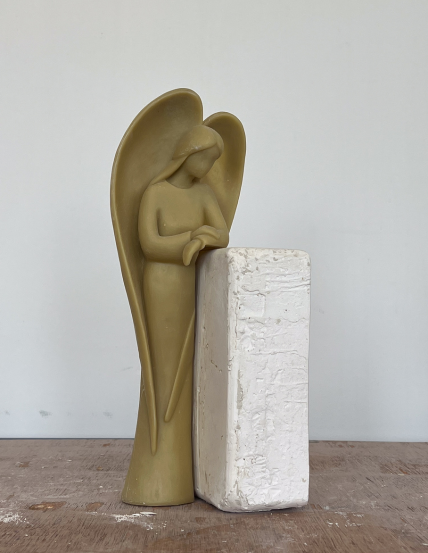
The first step in creating a sculpture is the design. An artist or model maker designs the sculpture, often starting with a sketch. The model is then handcrafted, usually from clay or wax. During this process, the design is refined in detail so that it matches the final result. The model is the most important part of the process, as it serves as a template for all subsequent steps.

2. Impression
Using the sand casting or lost-wax casting process
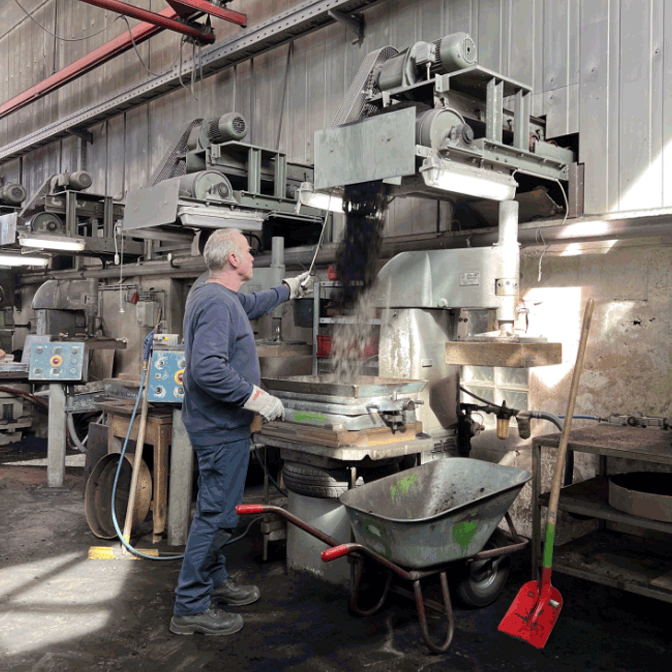
Once the model is finished, it is embedded in molding sand. To do this, the model is encased in a special type of sand, which is compressed under pressure to form a negative mold. This process is called “molding.” The model is then removed from the mold, and the mold is resealed. The molding sand remains in place and serves as the mold for the next step. (Sand casting process)
Alternatively, the model is made of wax and encased in a plaster-like material. Once dry, the wax can be heated until it flows out of the mold. (Precision casting or lost-wax casting)
The molten metal can now be poured into the mold prepared in this way.


3. The Casting
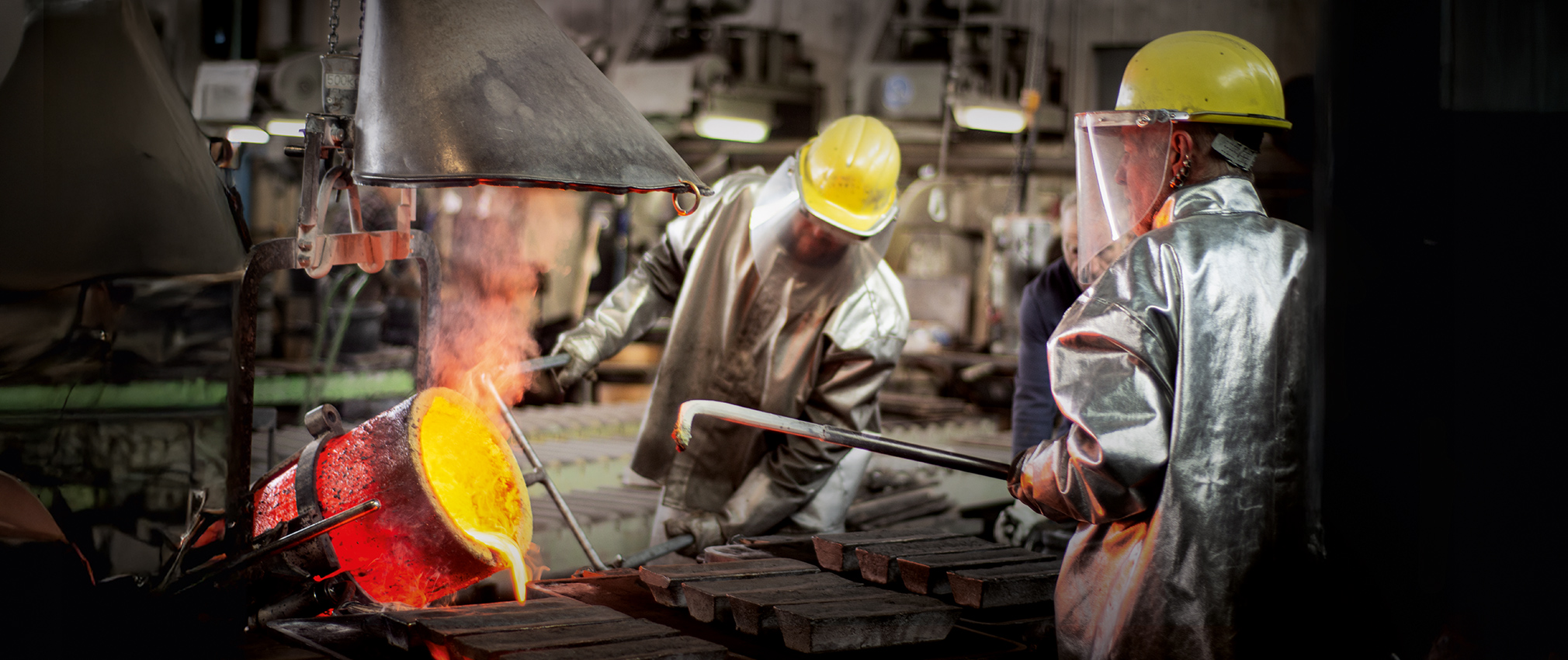
The Heart of Manufacturing: The Foundry
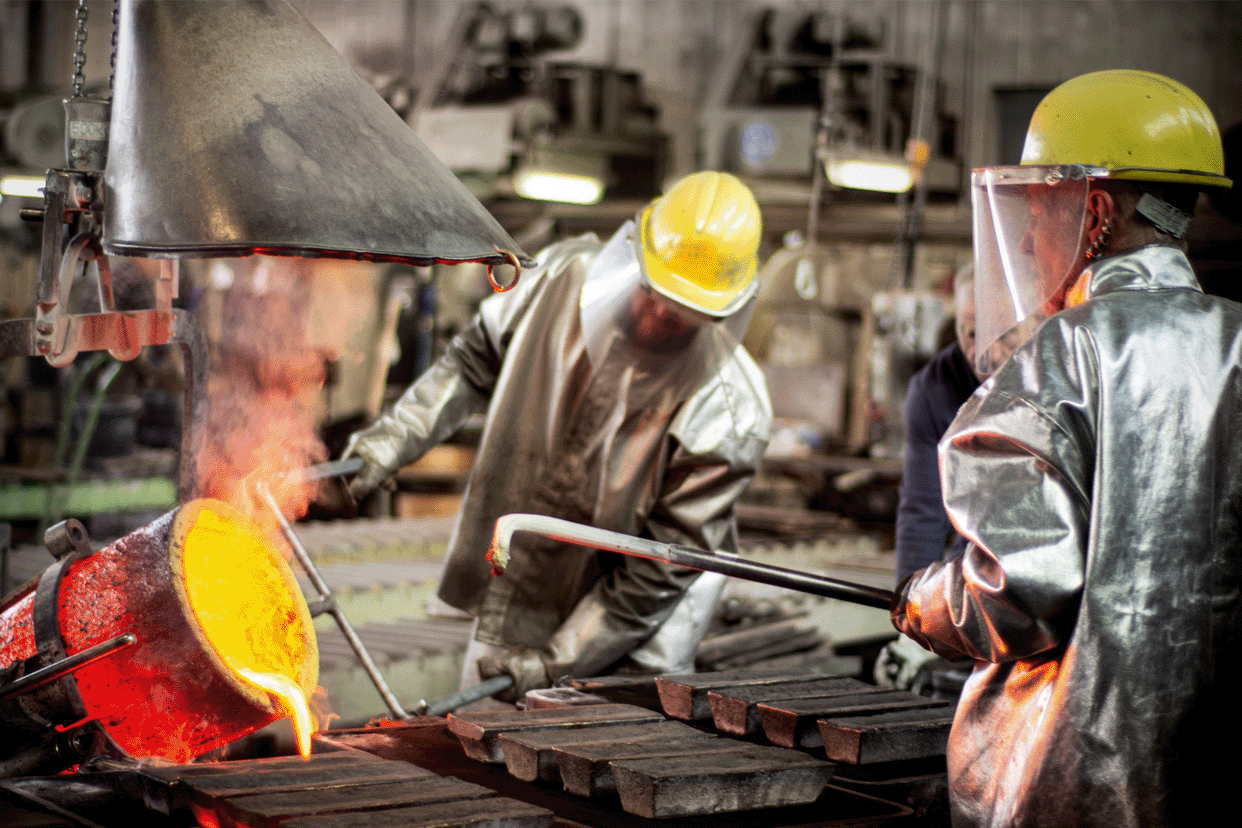
After the mold is made, the metal is poured into it.
Aluminum heated to about 700 degrees Celsius or bronze heated to over 1200 degrees Celsius is poured into the carefully prepared molds.
4. Removal of the sprues
Exposing, Sanding, and Smoothing
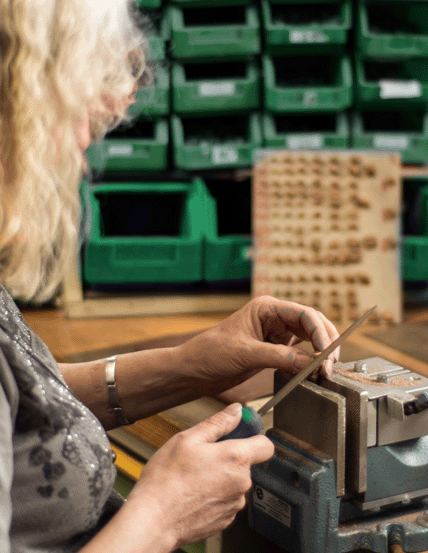
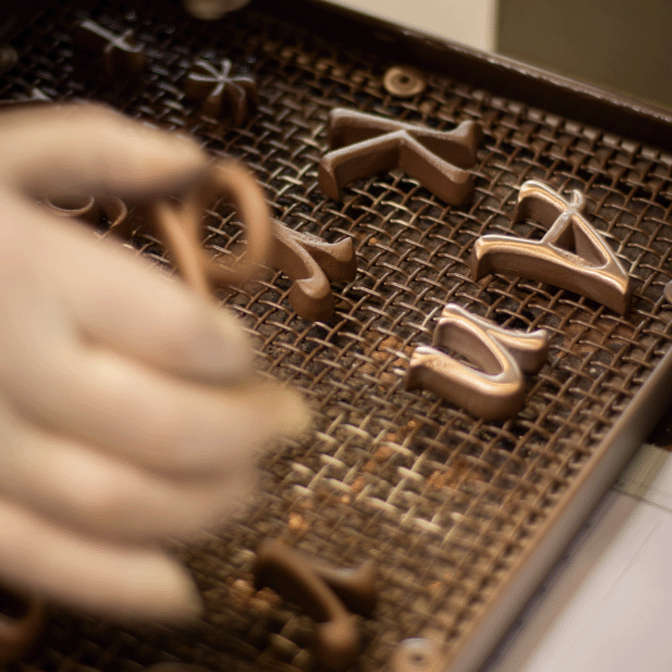
Once the material (e.g., bronze) has solidified, small casting channels—known as sprues—remain on the sides. These must now be carefully removed so that the final piece can be seen in its full form. This step requires the utmost precision to bring out the desired shape.
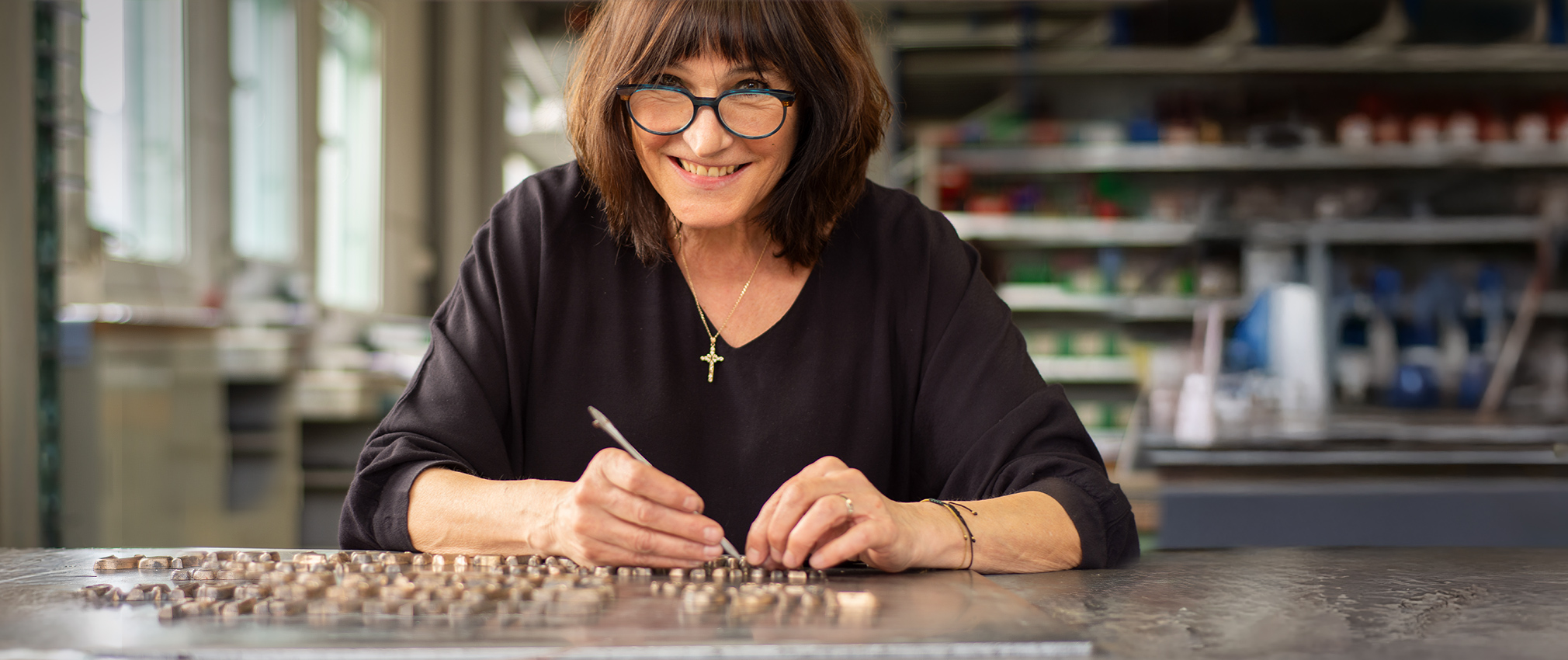
5. Fine Chiseling
Detailed work on the finished workpiece
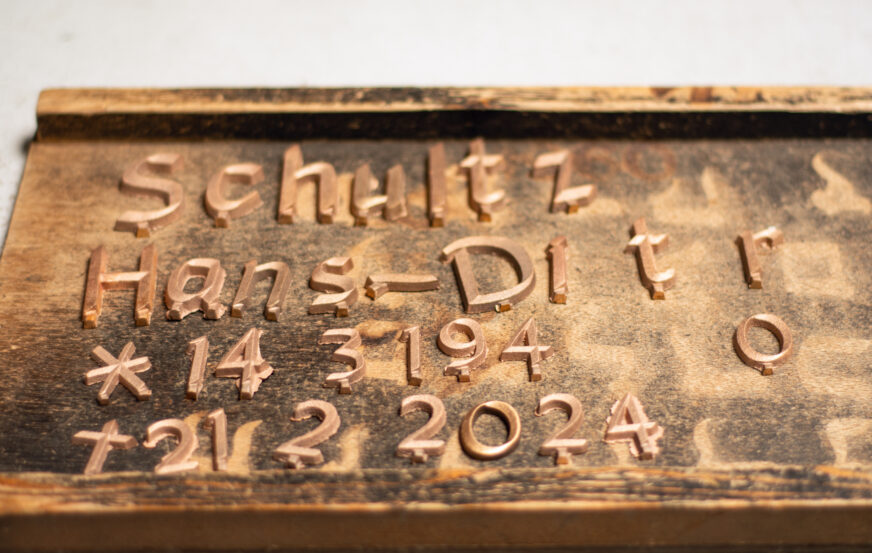
Now the fine-tuning of the sculpture begins. During the chiseling process, fine details and textures are worked into the material. Special tools are used to work on the cast to refine surfaces, add textures, and bring out even more vivid details. This step takes the sculpture to the next level of detail.

6. Polishing
The Finishing Touch
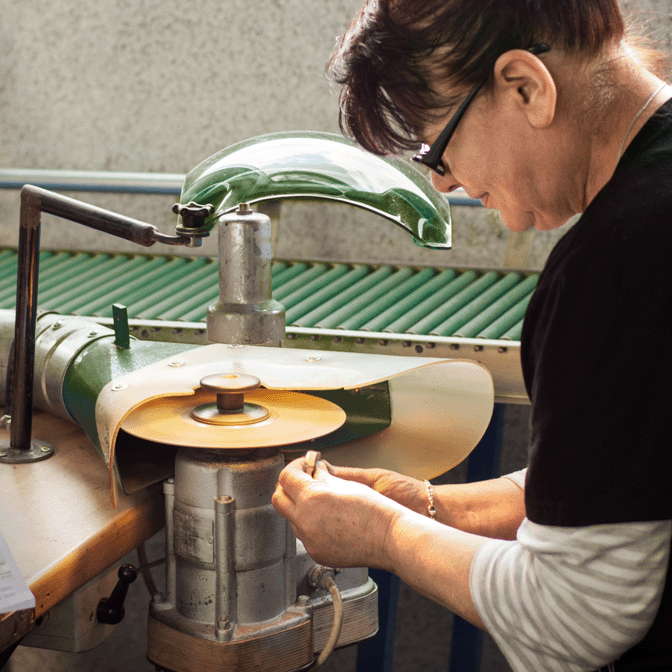
The nearly finished sculpture is now being polished to remove any remaining imperfections. This process gives faces and skin areas, in particular, their natural luster, which makes them appear lifelike.
Afterward, the entire casting is sandblasted again.


7. Threaded Holes and Technology
Durable Fastening and Stability
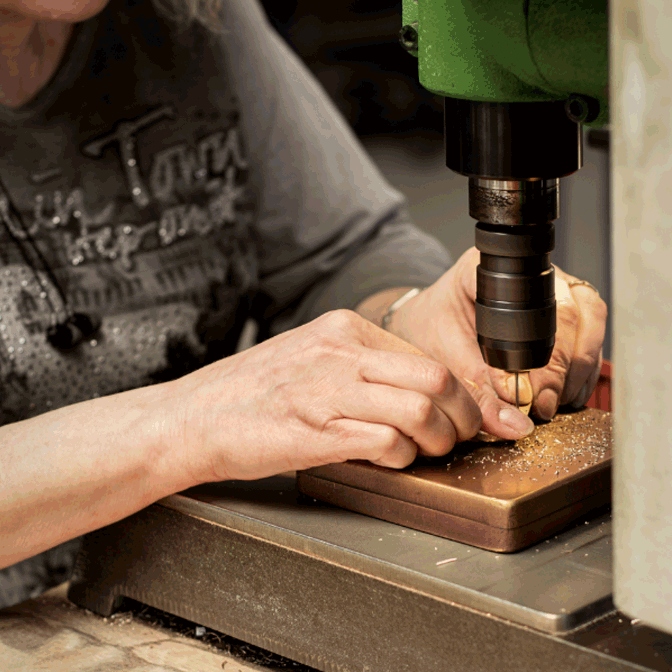
If the sculpture needs to be mounted in a specific location at a later date, threaded holes are drilled in consultation with our customers. These holes make it possible to securely fasten the sculpture—for example, to a pedestal or a wall. This is particularly important for larger sculptures or those intended for outdoor display.


8. Patination and Coloring
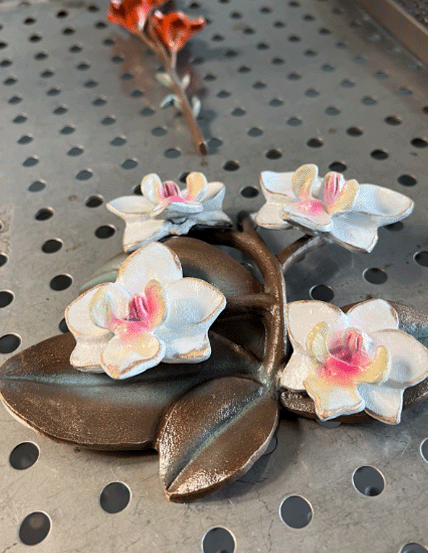
Traditionally by chemical means or using modern airbrush technology
Patination gives the bronze its final color and surface texture. This process involves applying special solutions that react with the surface, creating a unique, often greenish-brown color. This technique protects the sculpture and gives it its characteristic antique appearance.

9. Final Coat of Paint
A double protective coating ensures long-lasting color stability
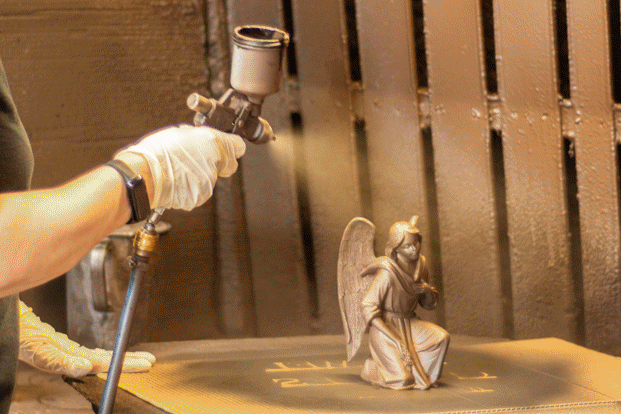
All of our products that require a special sheen or protection are also given a coat of varnish. This creates a glossy or matte finish that protects the sculpture from external factors and the elements. This is especially important for ensuring a long service life when the sculpture is displayed outdoors.
10. Quality Control and Assembly
Final touches
Before the bronze leaves the foundry, it undergoes a thorough quality control inspection. During this step of the manufacturing process, experts examine the sculpture for any potential defects or flaws. They ensure that all details are accurately rendered and that the artwork meets high standards. Only if it passes this test is it approved for the next step.
Moving parts are checked again here to ensure they function properly. In addition, glass and granite components are installed, and plastic inserts are added.


11. Shipping & Picking
Done.
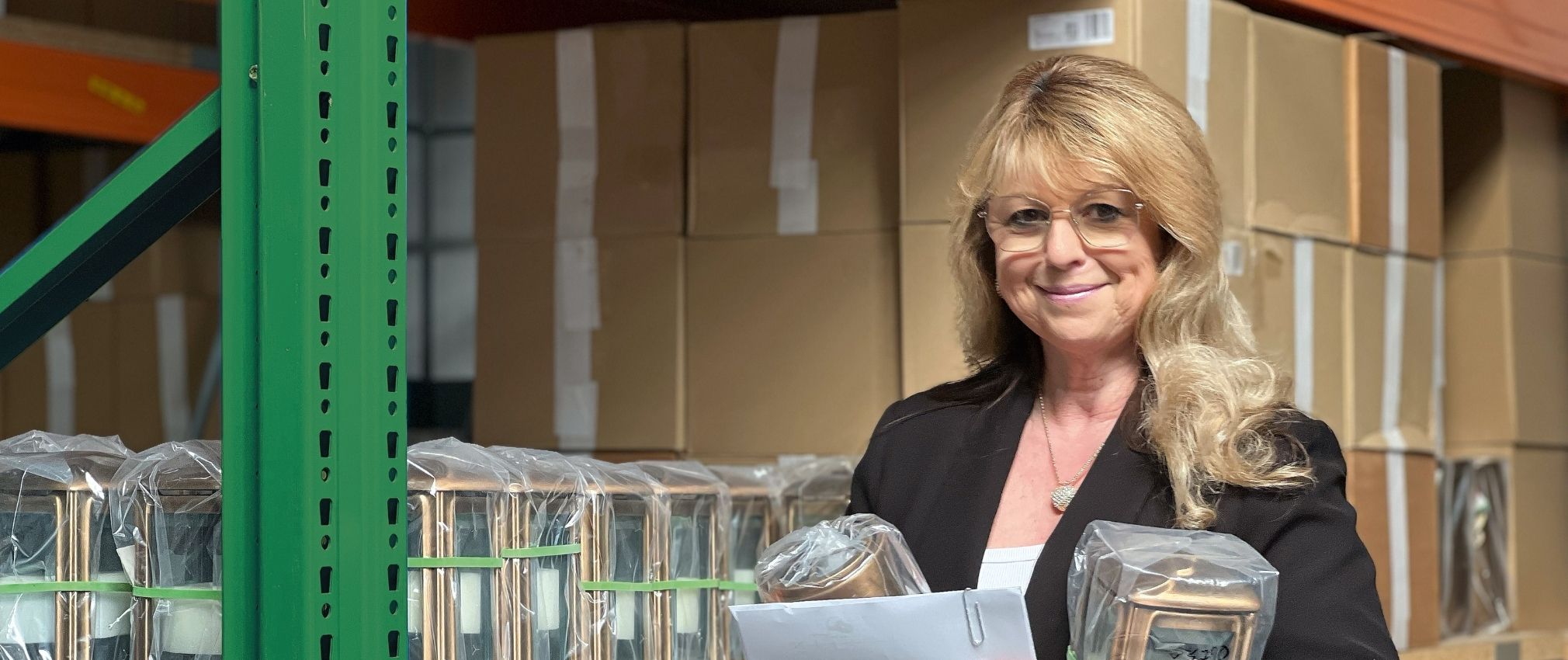
Your order will be carefully packaged to ensure it is transported safely to its destination. We follow a proven and reliable process to ensure your order arrives undamaged.
You will usually receive your order within 2 weeks.
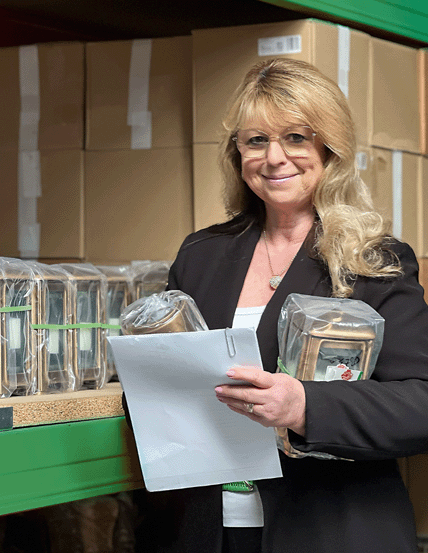

During packaging, Haribo’s ever-popular gummy bears will be added to the order.
Are you planning a custom project?
We’d be happy to help!
Email info@plein.de
Phone +49(0)6562-9673-0