Your cart is currently empty!

Plein Art Foundry—Tradition and Innovation for Generations
Origins in the Southern Eifel
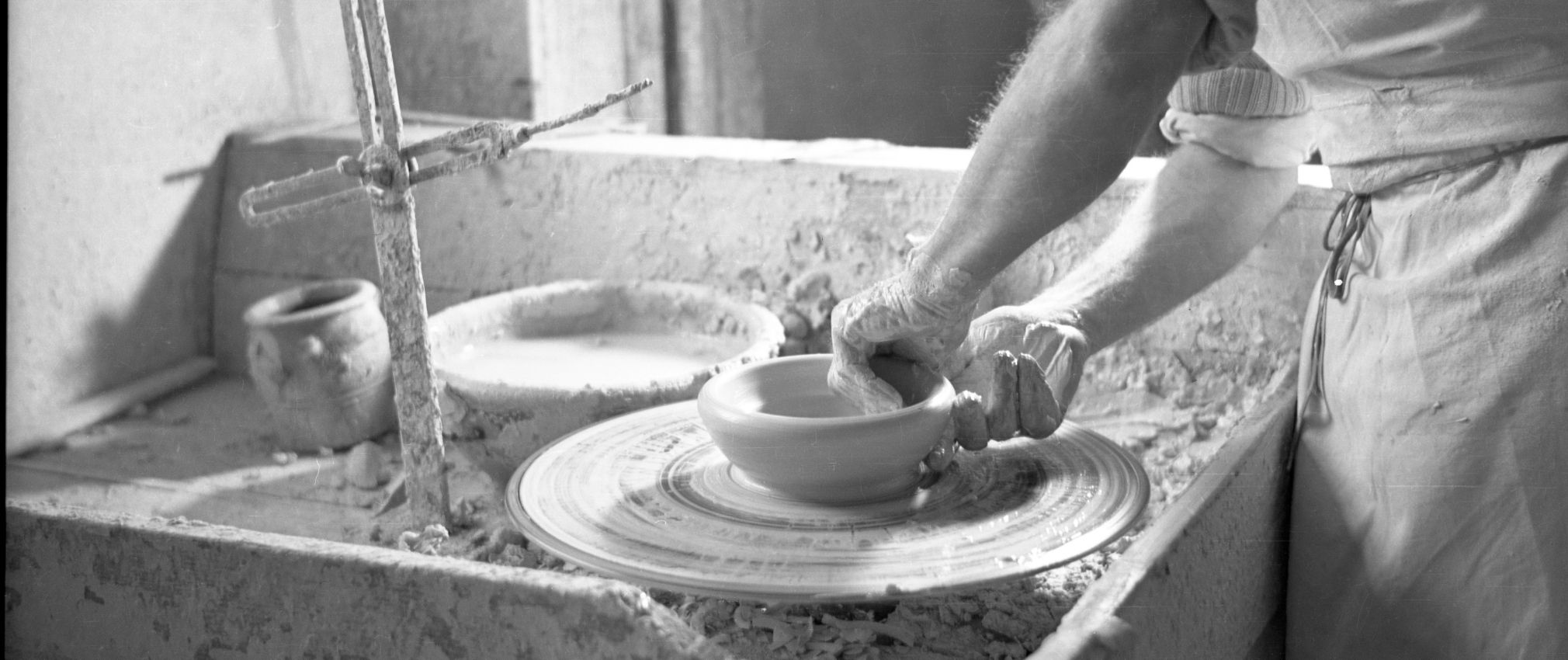
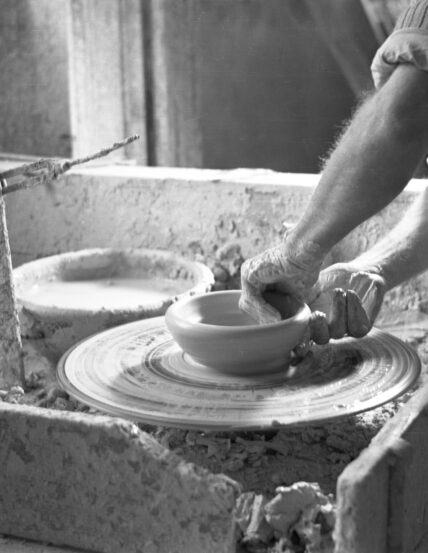
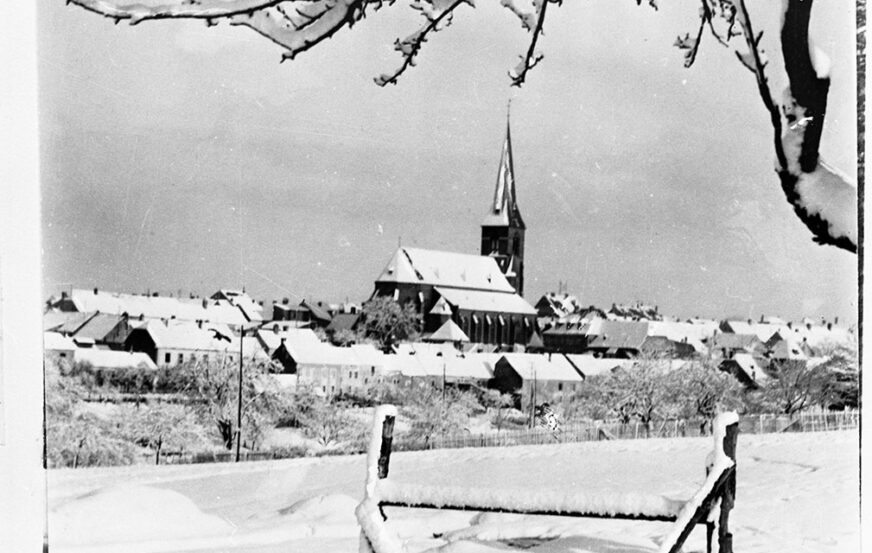
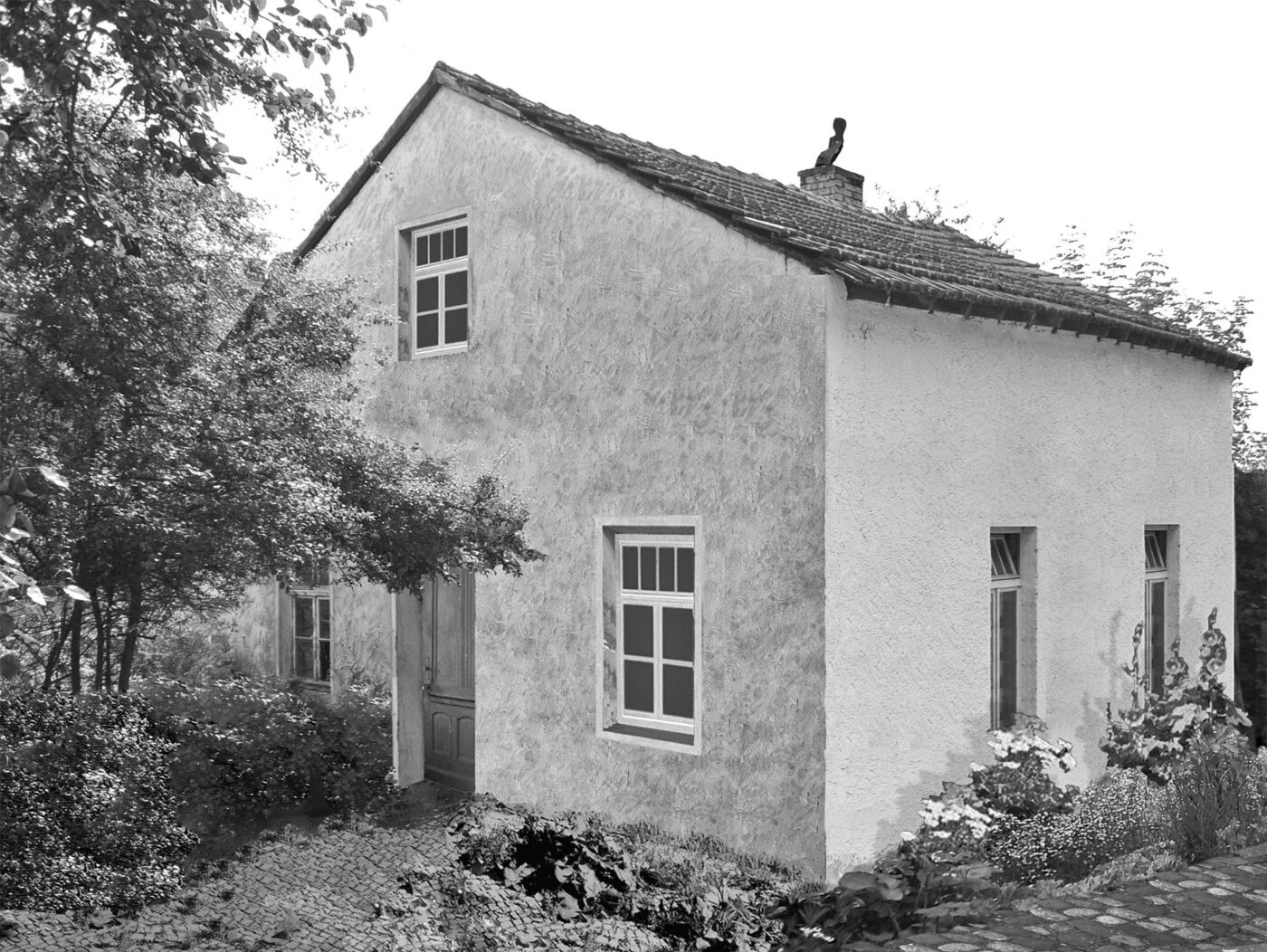
The history of the Plein Art Foundry began in the village of Speicher, in the idyllic Southern Eifel region, near the border triangle of Germany, Belgium, and Luxembourg. Pottery has been made here since Roman times. Around 1830, several potters, known as “Eulner,” shared a kiln—laying the foundation for what would later become the Plein art foundry.
Founding and the First Generation
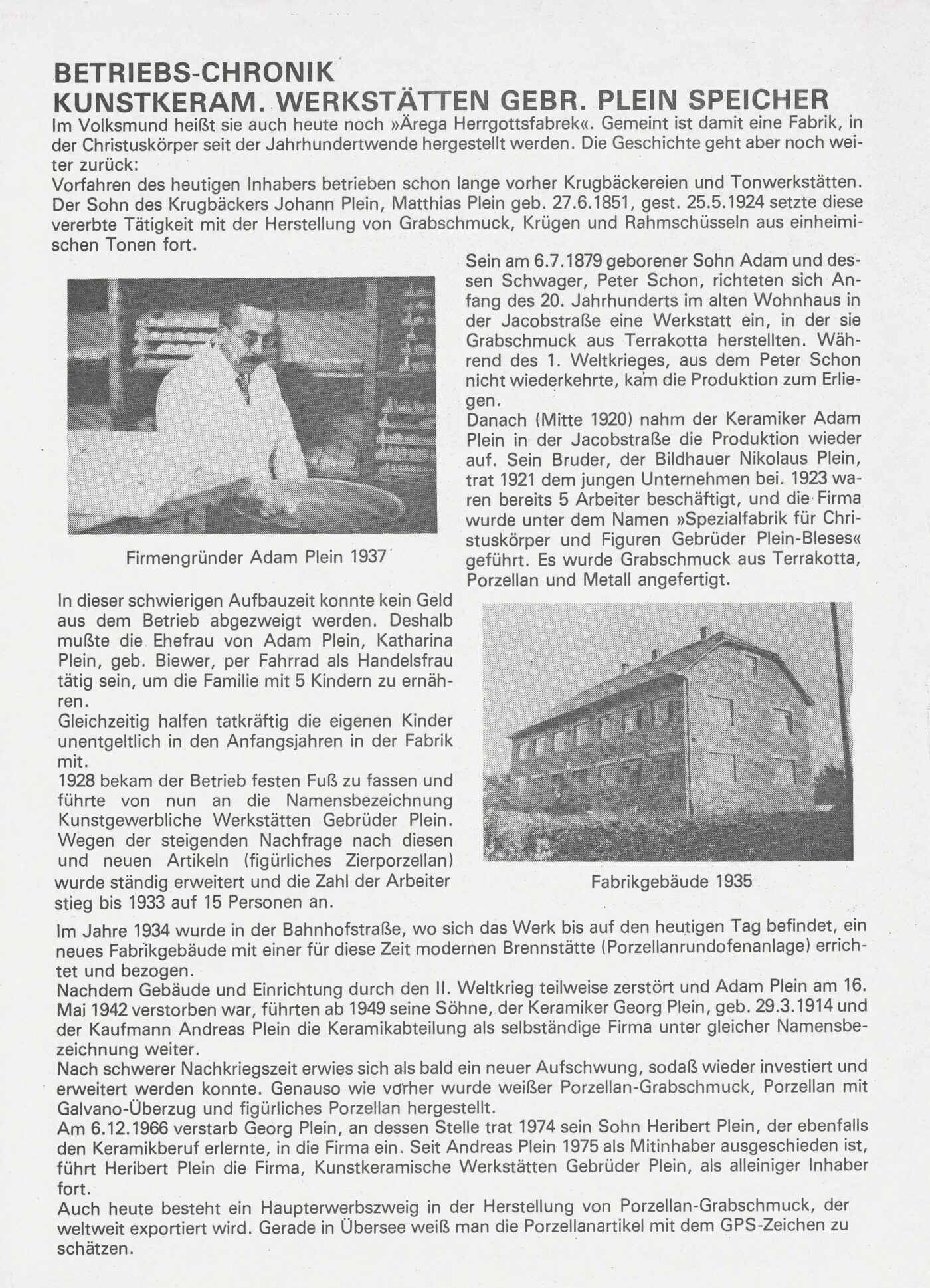
In the mid-19th century, Johann Plein was one of these potters who produced traditional pottery items such as tableware, storage jars, and milk-processing utensils. His son, Matthias Plein, began producing terracotta grave ornaments around 1880. He used local clays and sold his wares in the surrounding area. However, the turmoil of the times brought the business to a halt again in 1914.

Reestablishment after World War I
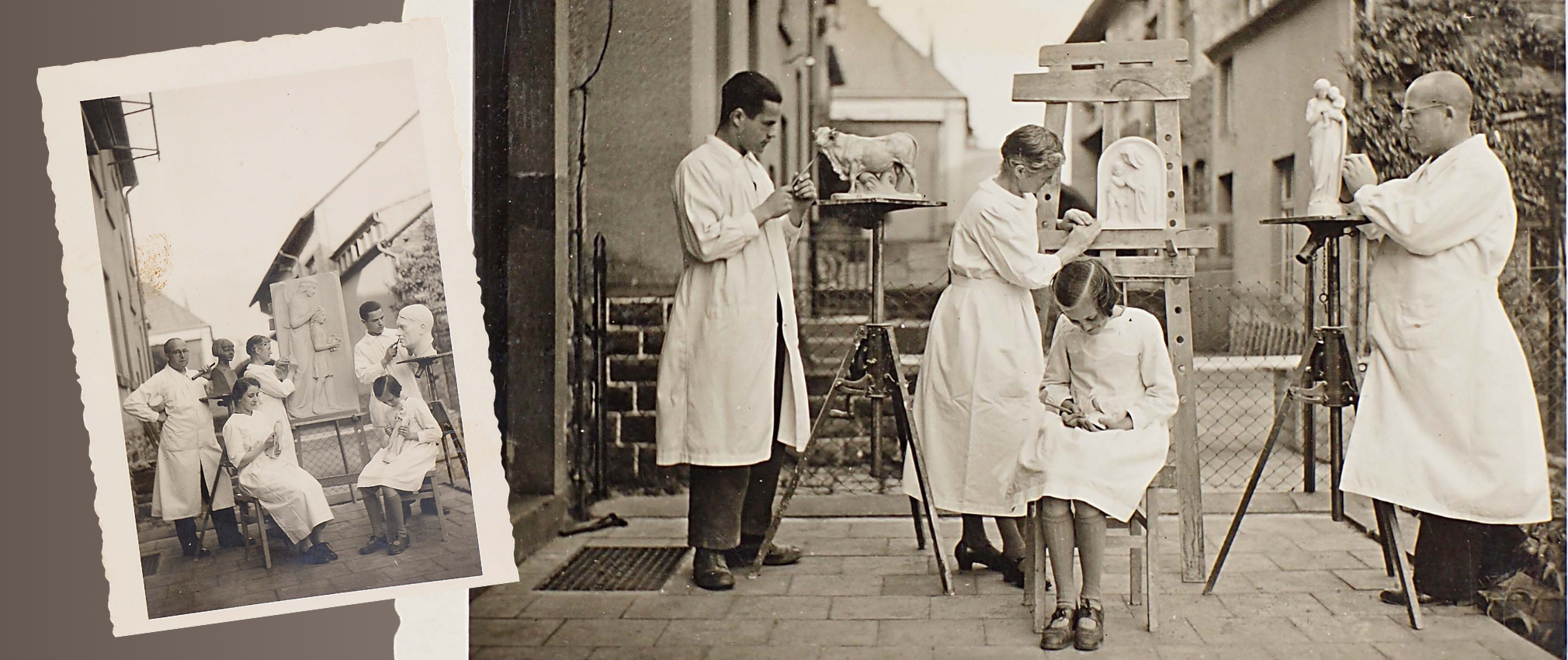
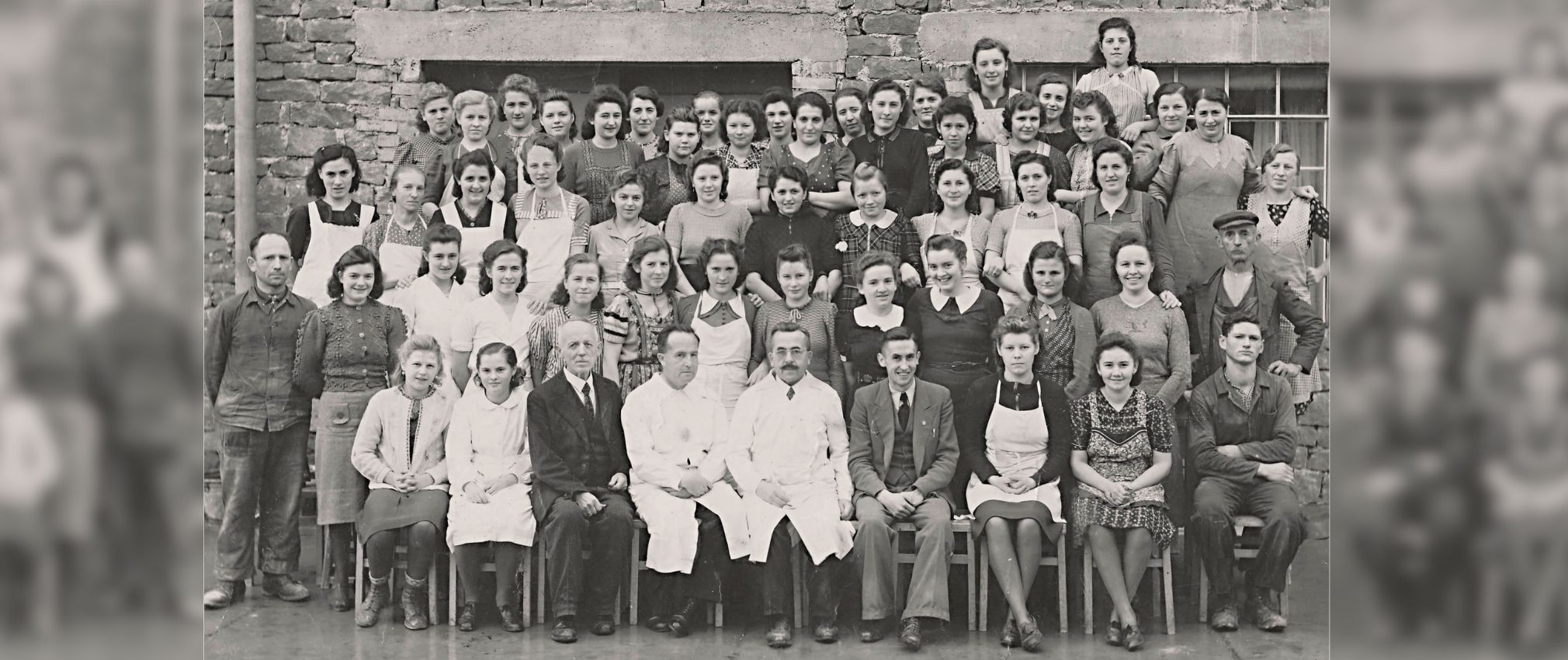
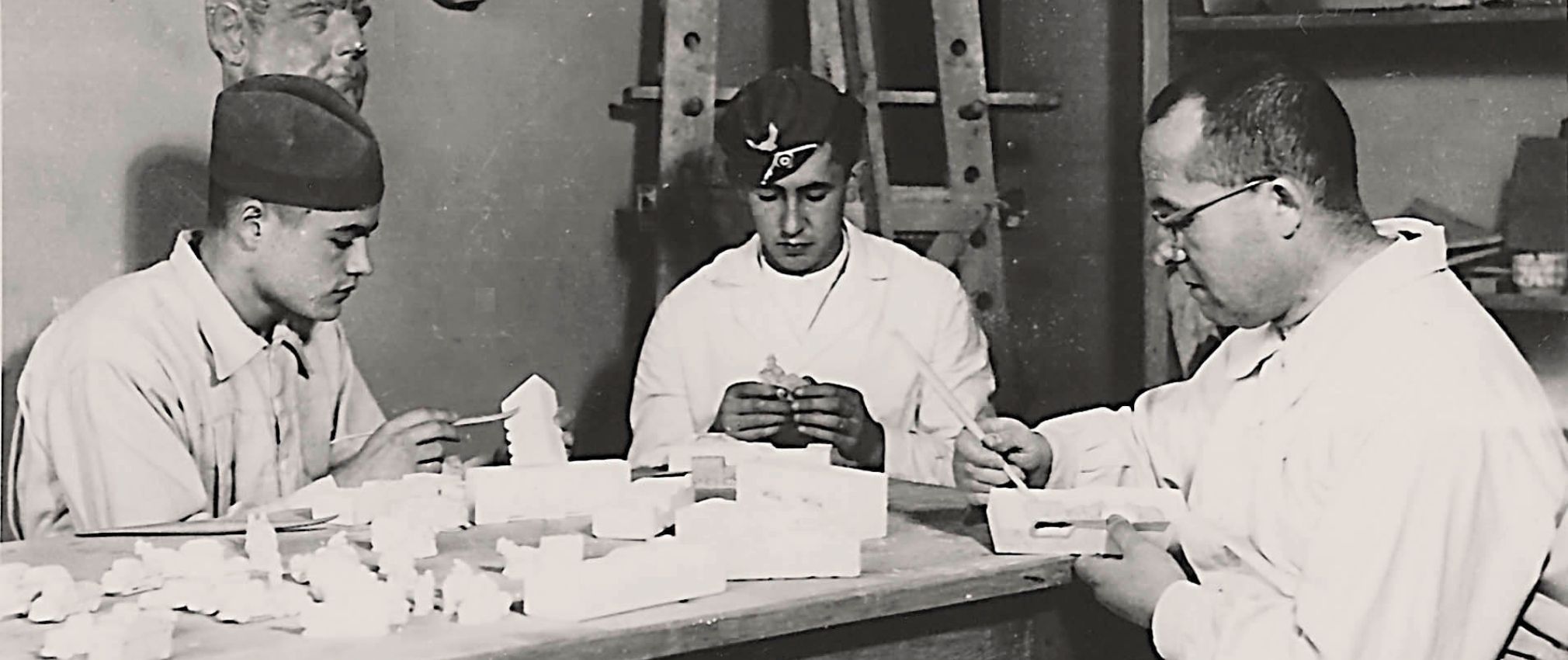
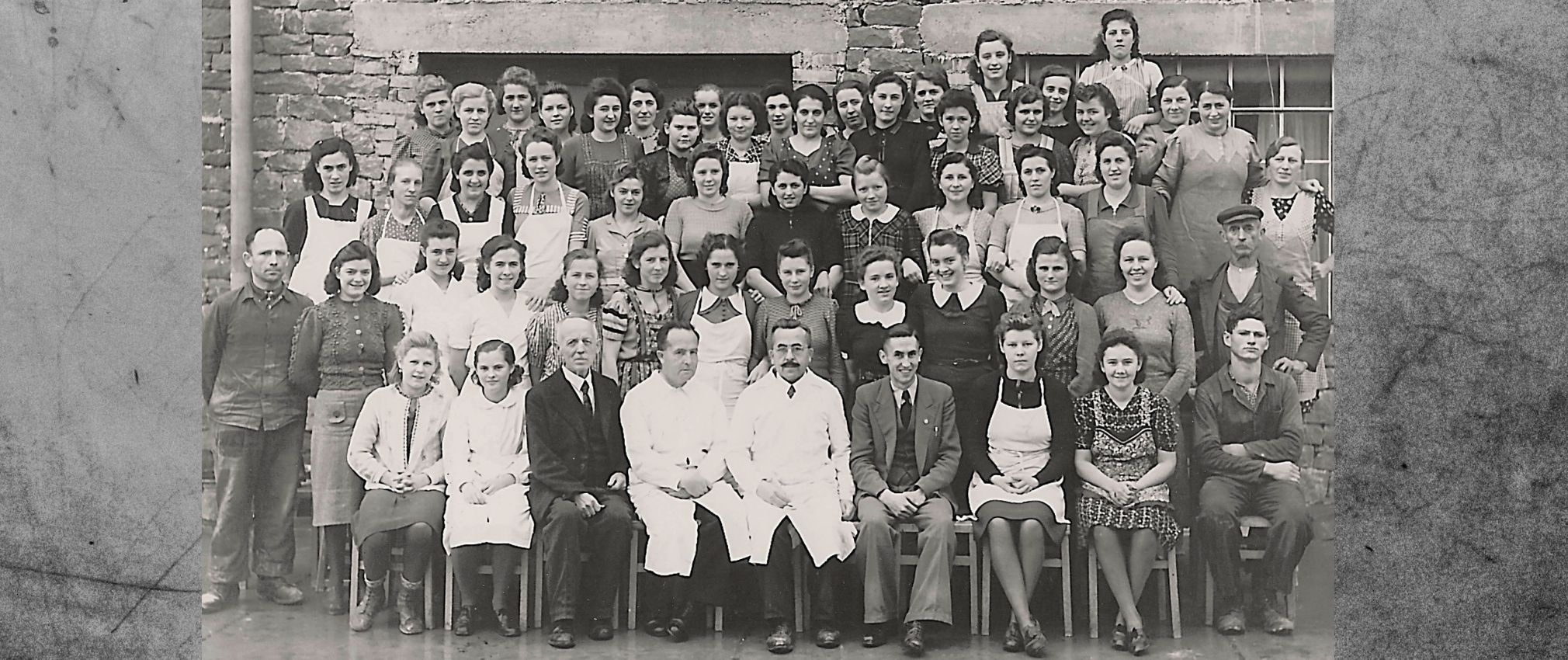
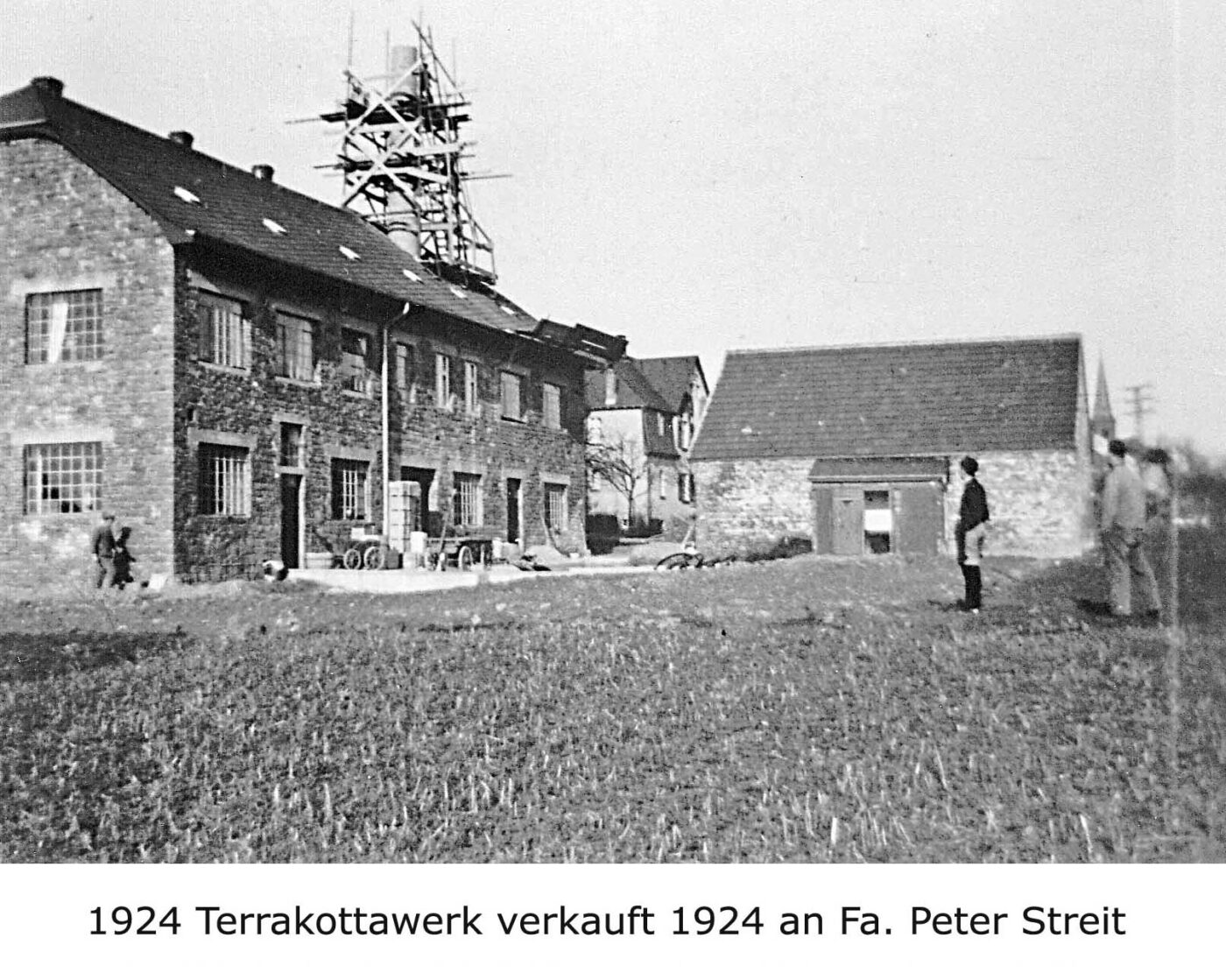
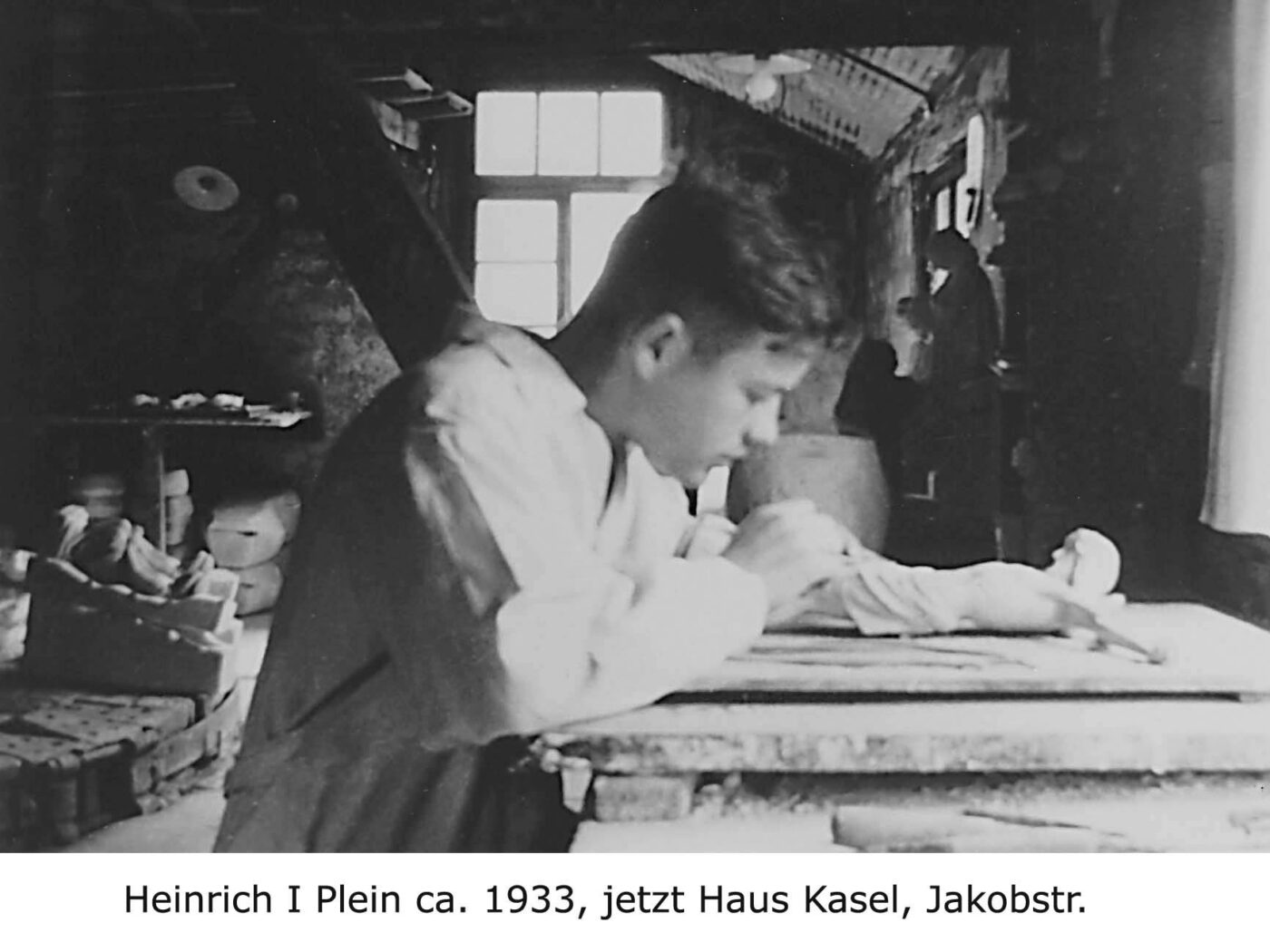
In 1919, his sons Nikolaus, a sculptor, and Adam, a ceramist, founded the terracotta and porcelain manufacturing company Plein Brothers . Despite major difficulties, the young company experienced a strong upswing. As the railroad network expanded, the market grew to include Central Europe.
The Foundry’s Early Days
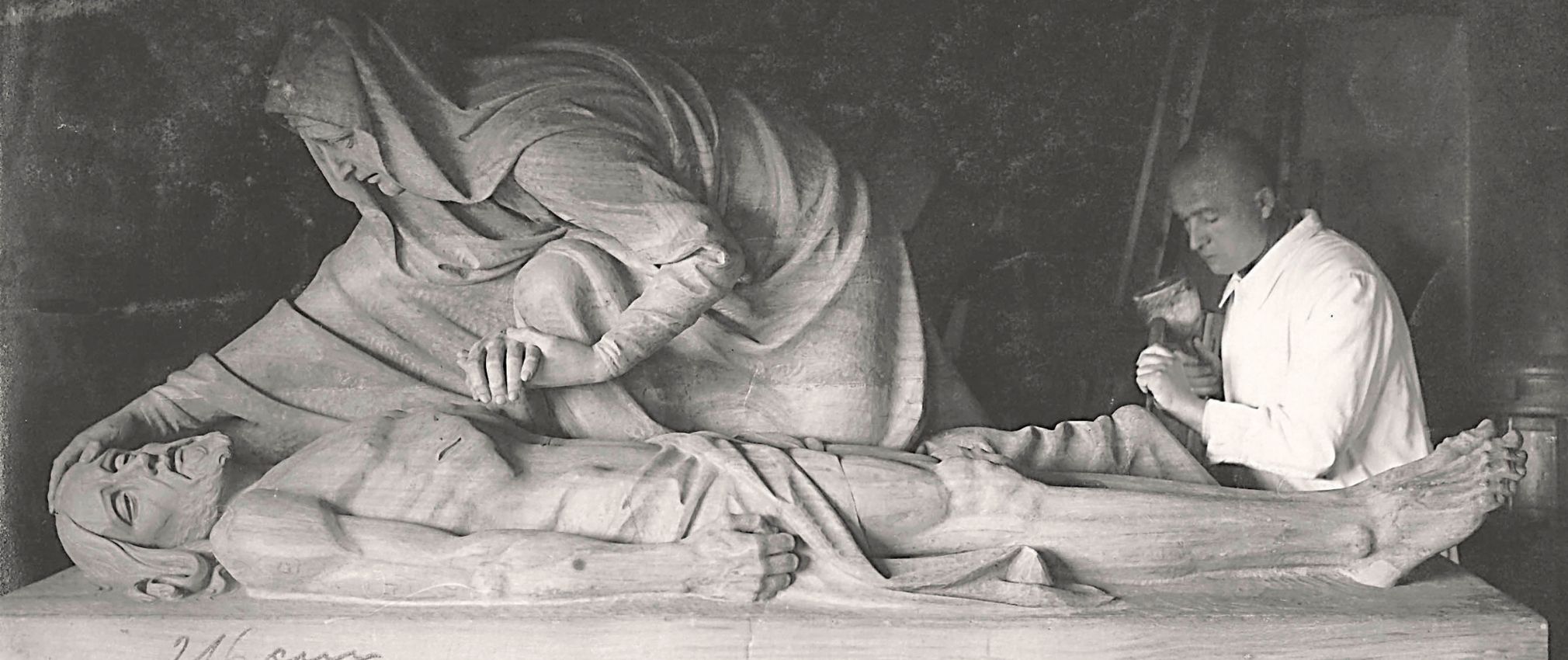
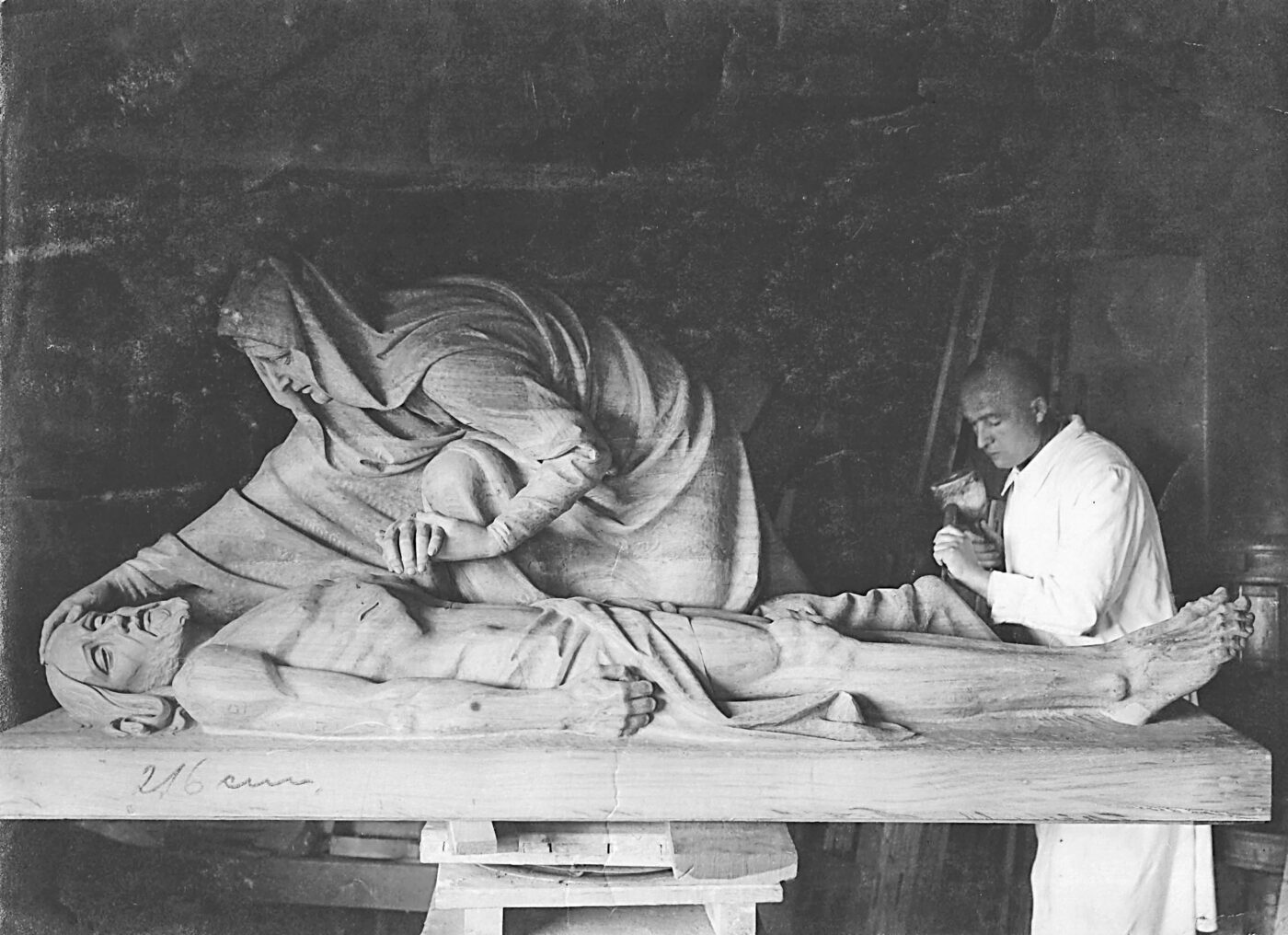
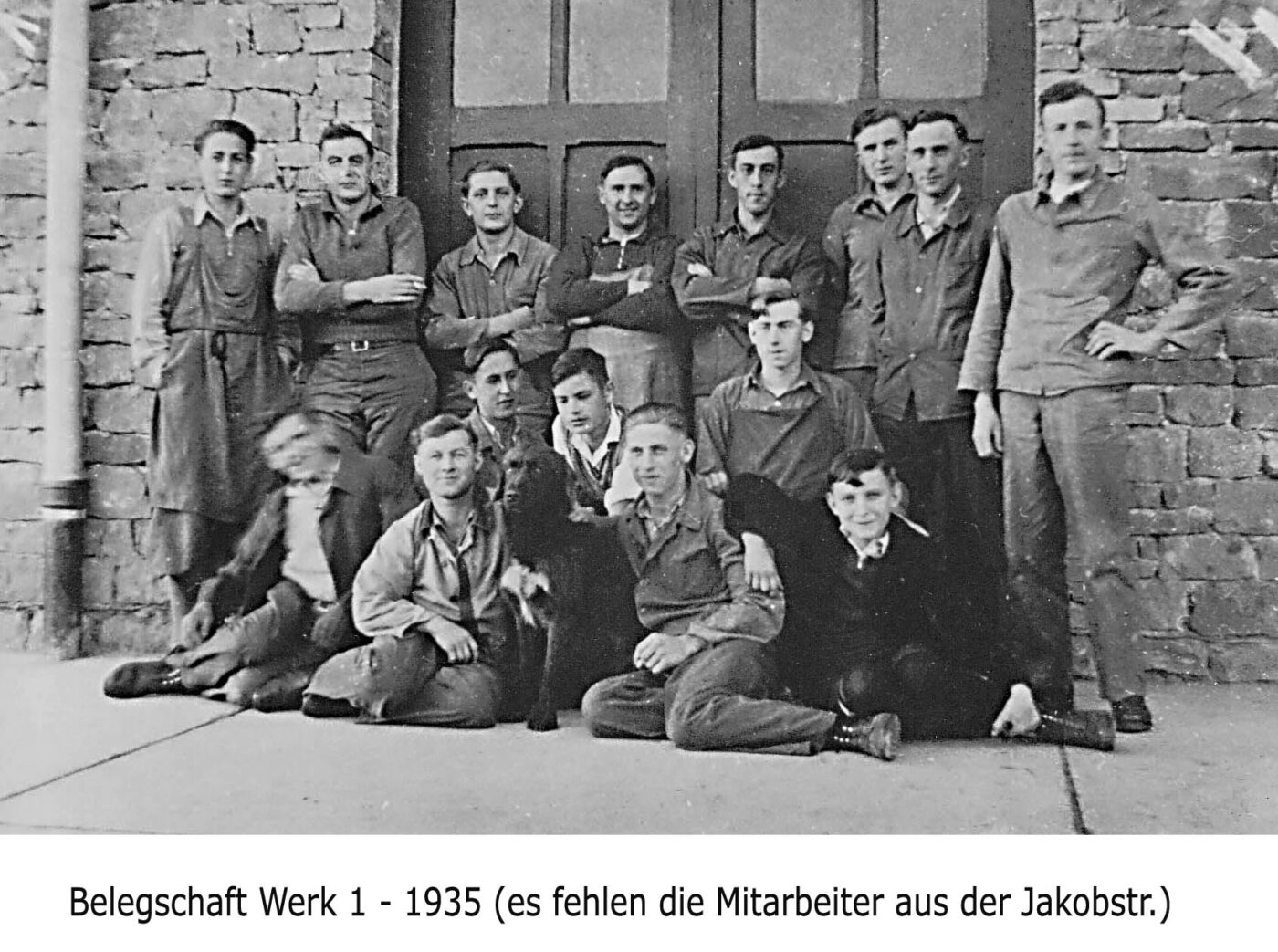
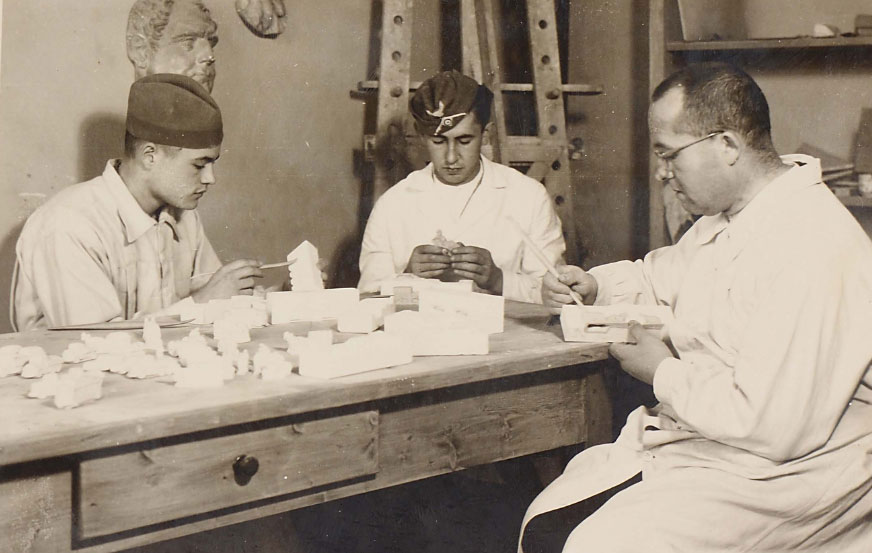
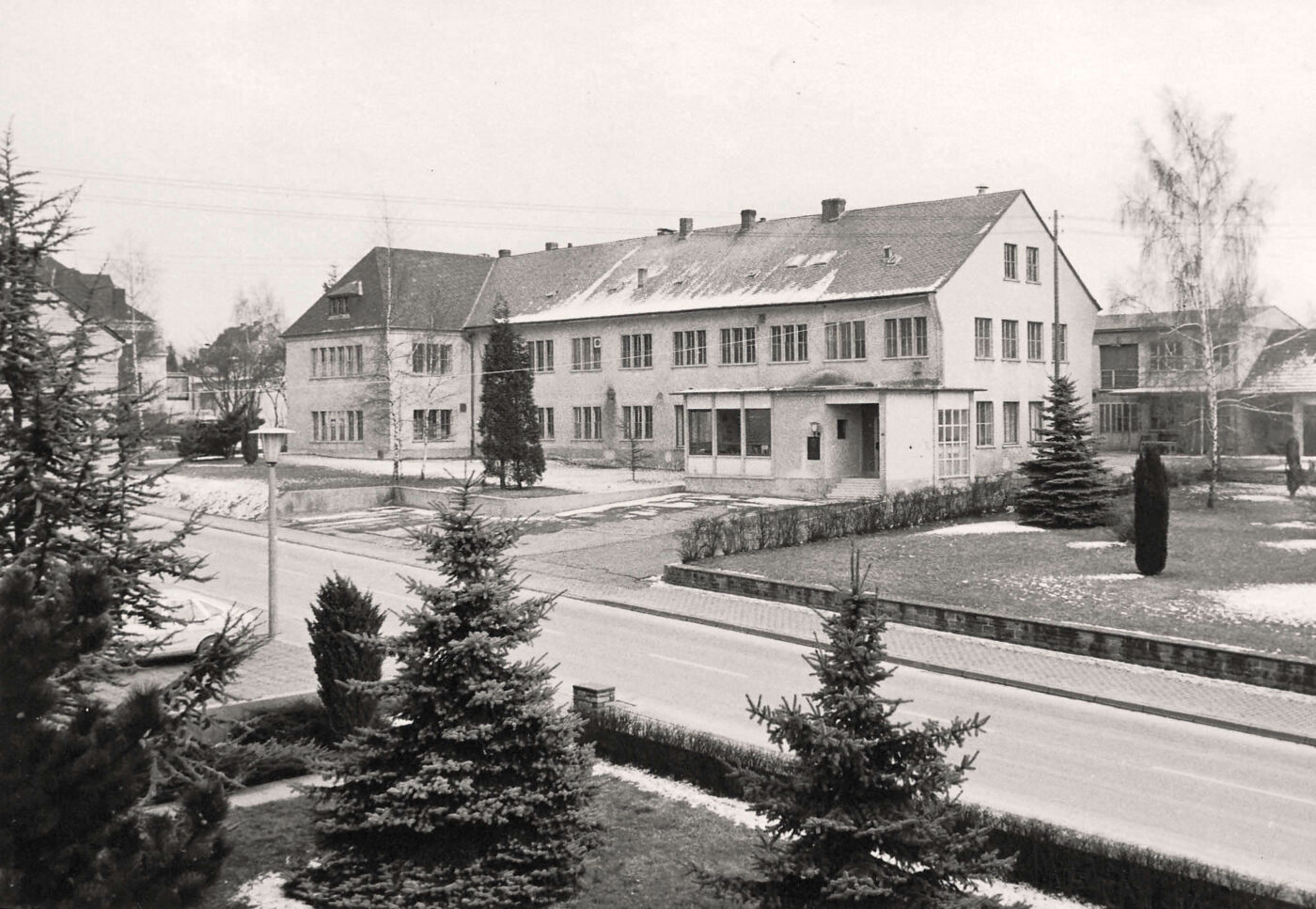
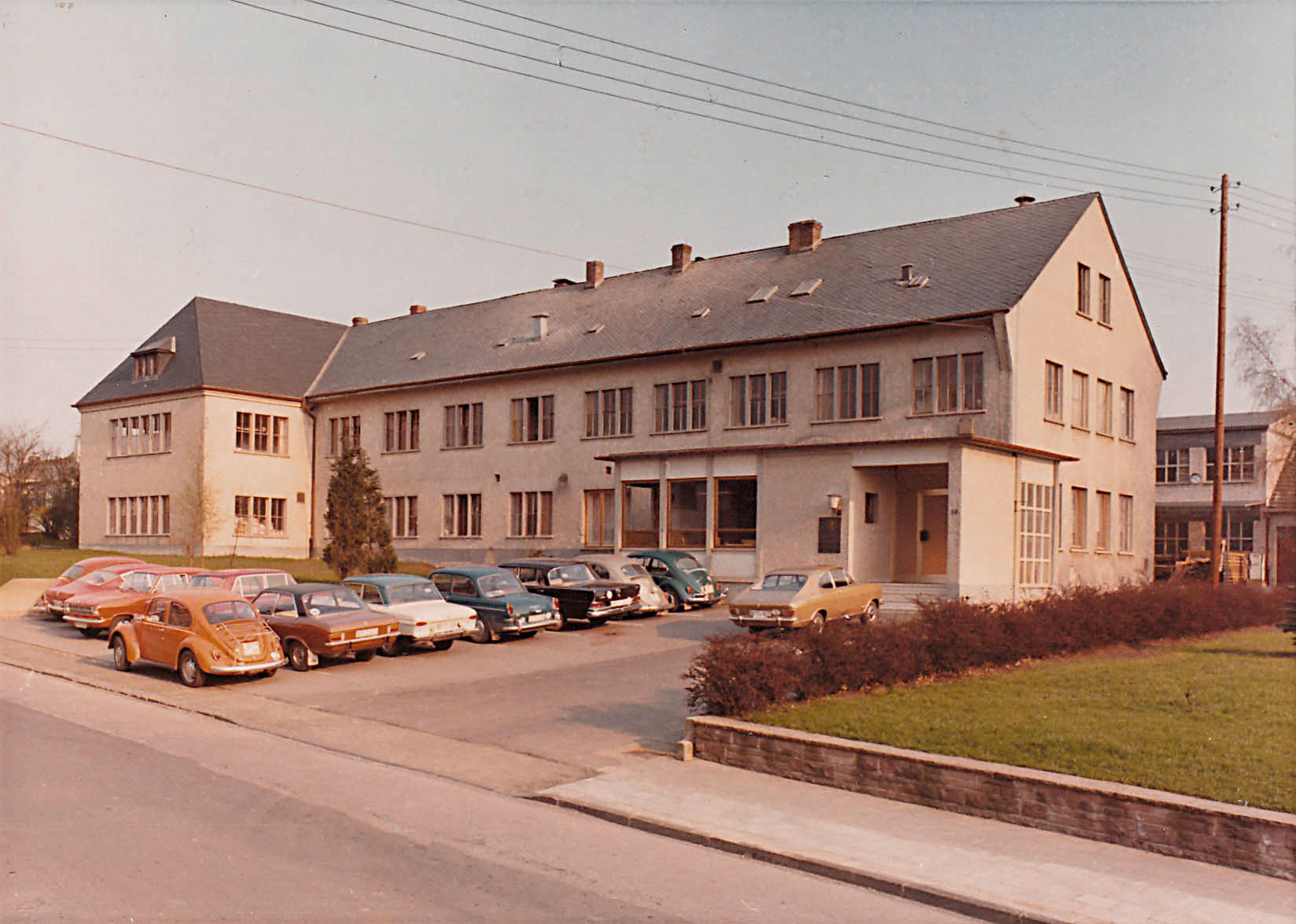
In 1925, the first metal workshop was established, and in 1927, production of electroplated Christ figures and bronze reliefs began. The existing premises soon became too small, and in 1934, the company moved into a new factory building on Bahnhofstraße.
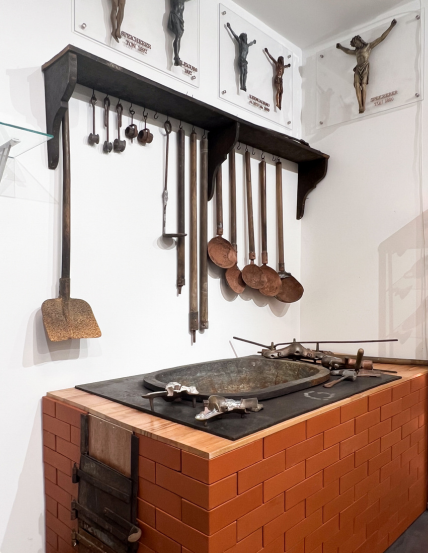
In 1944, bombs severely damaged the building. The surviving portion of the building served as quarters for Allied forces. All of the plant’s equipment was lost, and operations came to a standstill.
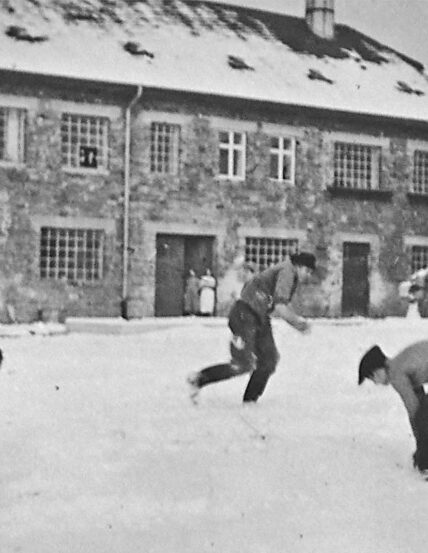
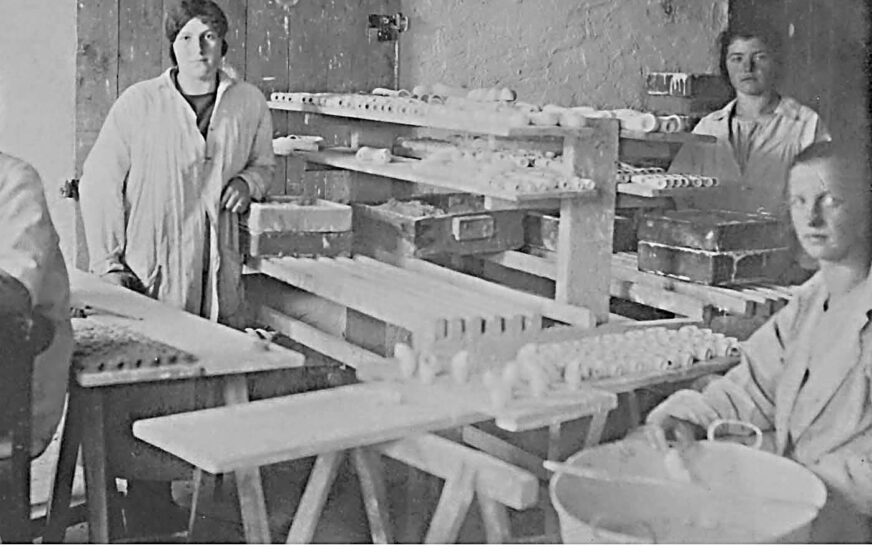
Left: Production of Christ figures (1935)
Right: Terracotta workshop on Neustraße in winter

Postwar Reconstruction
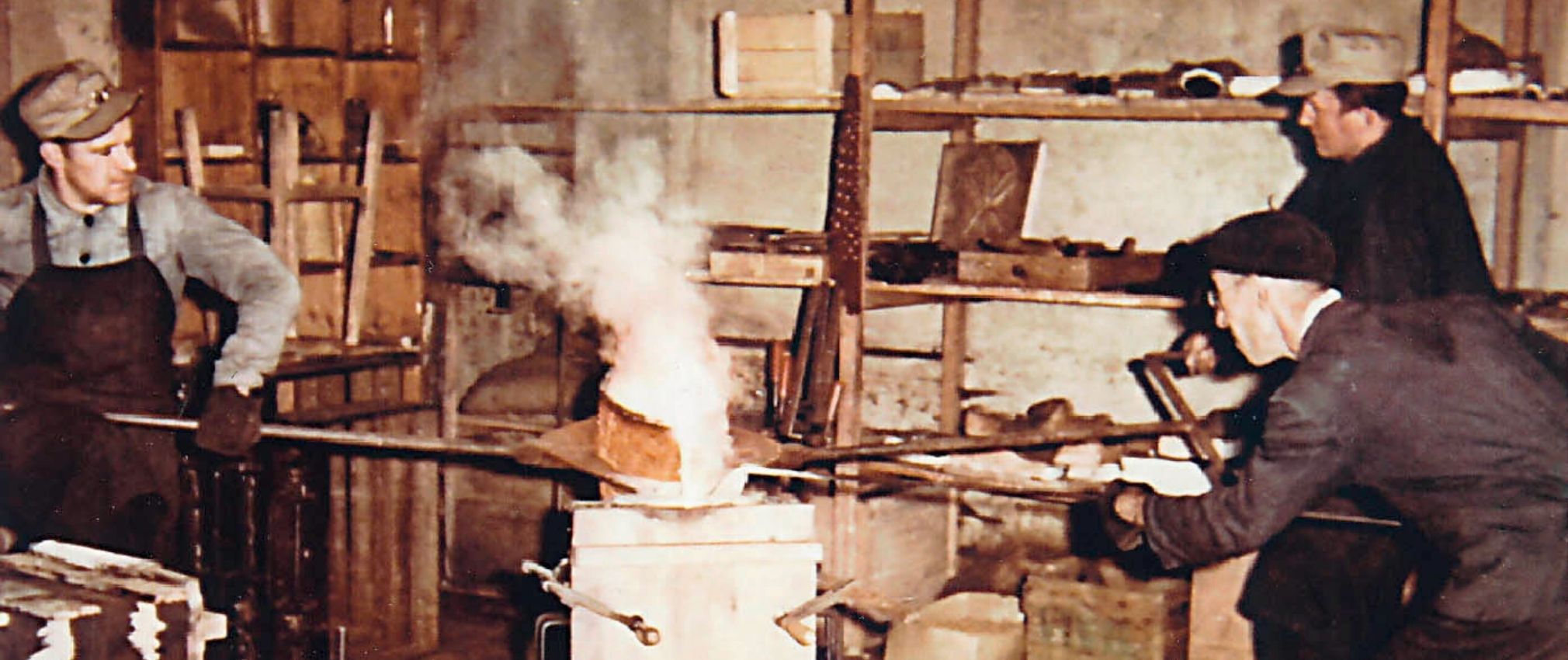
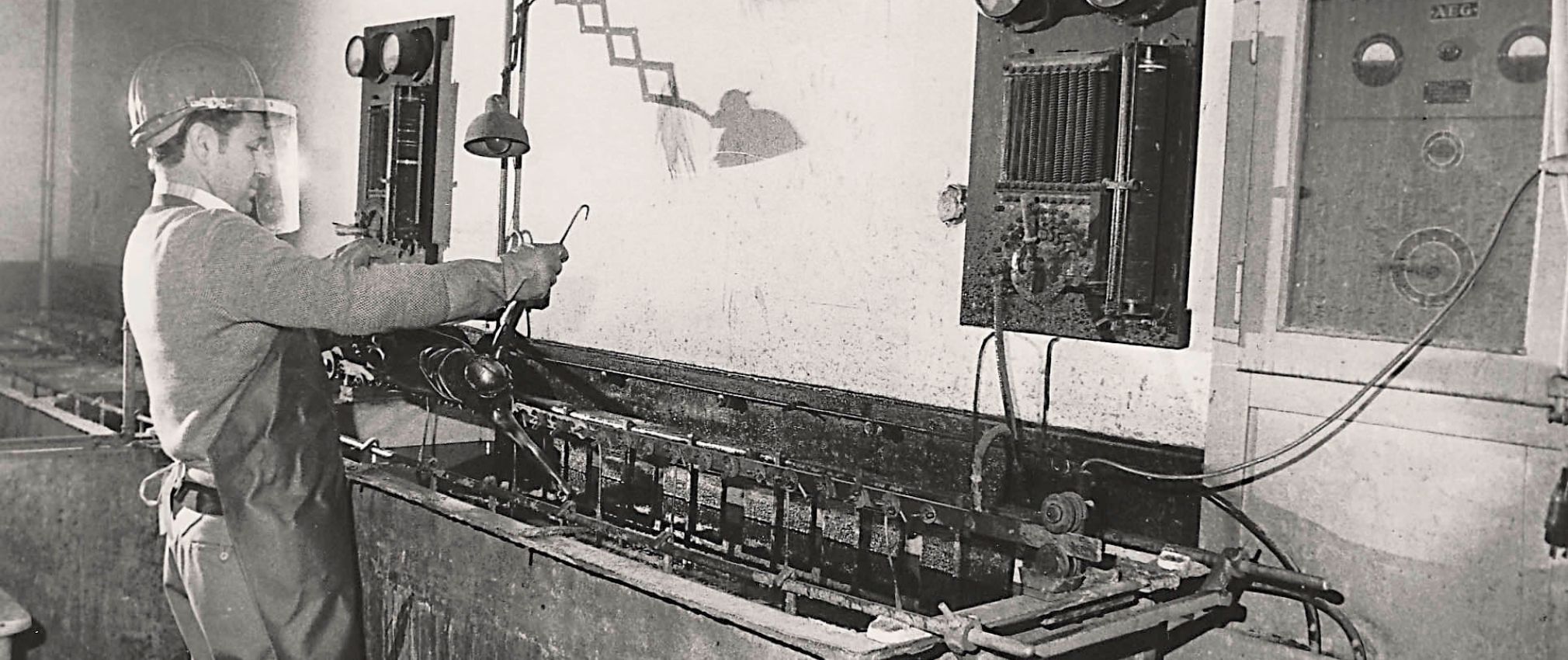
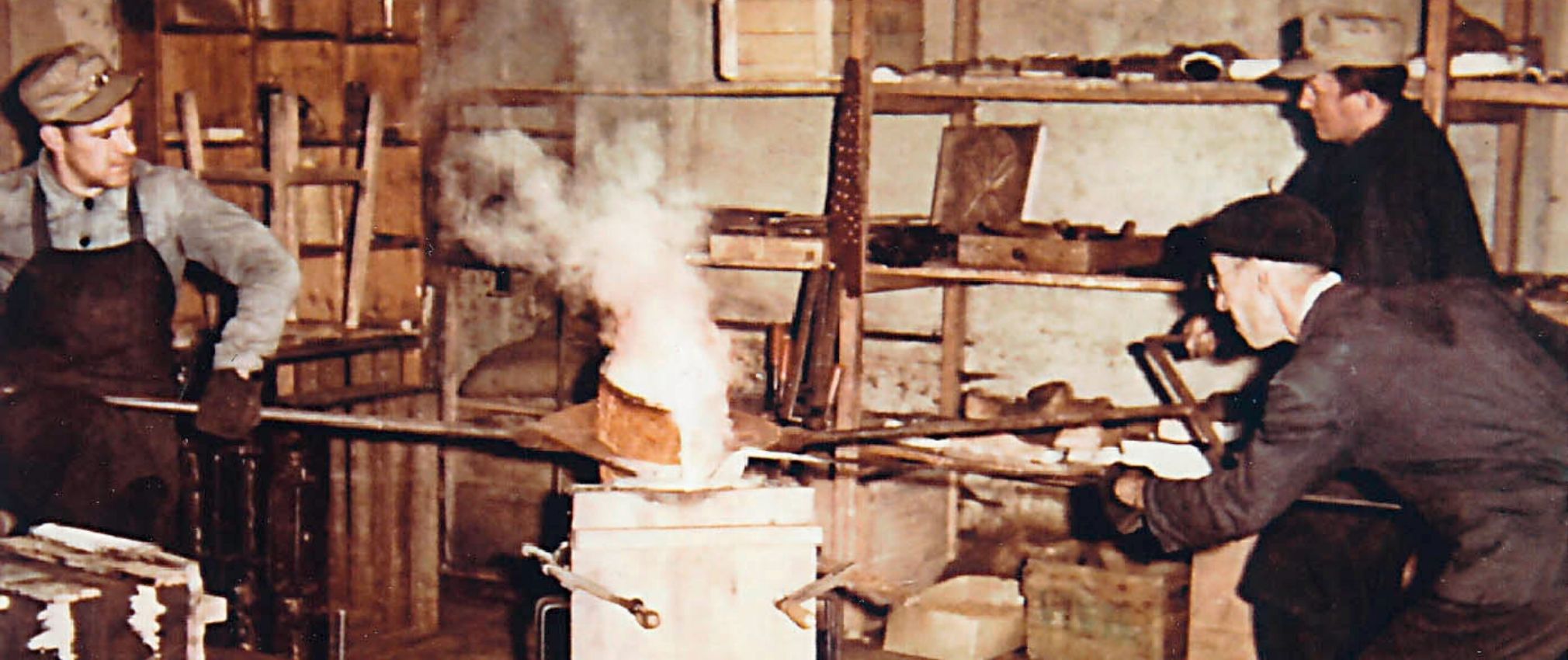
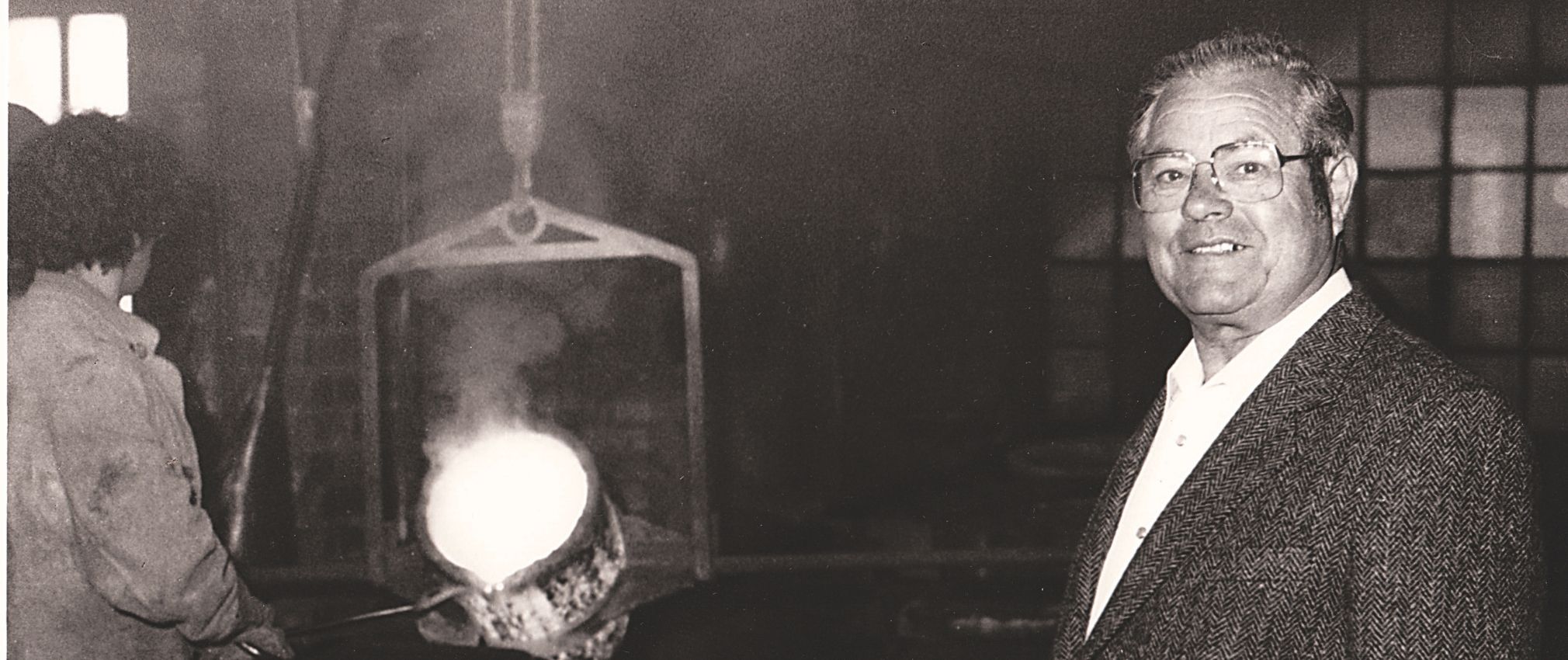
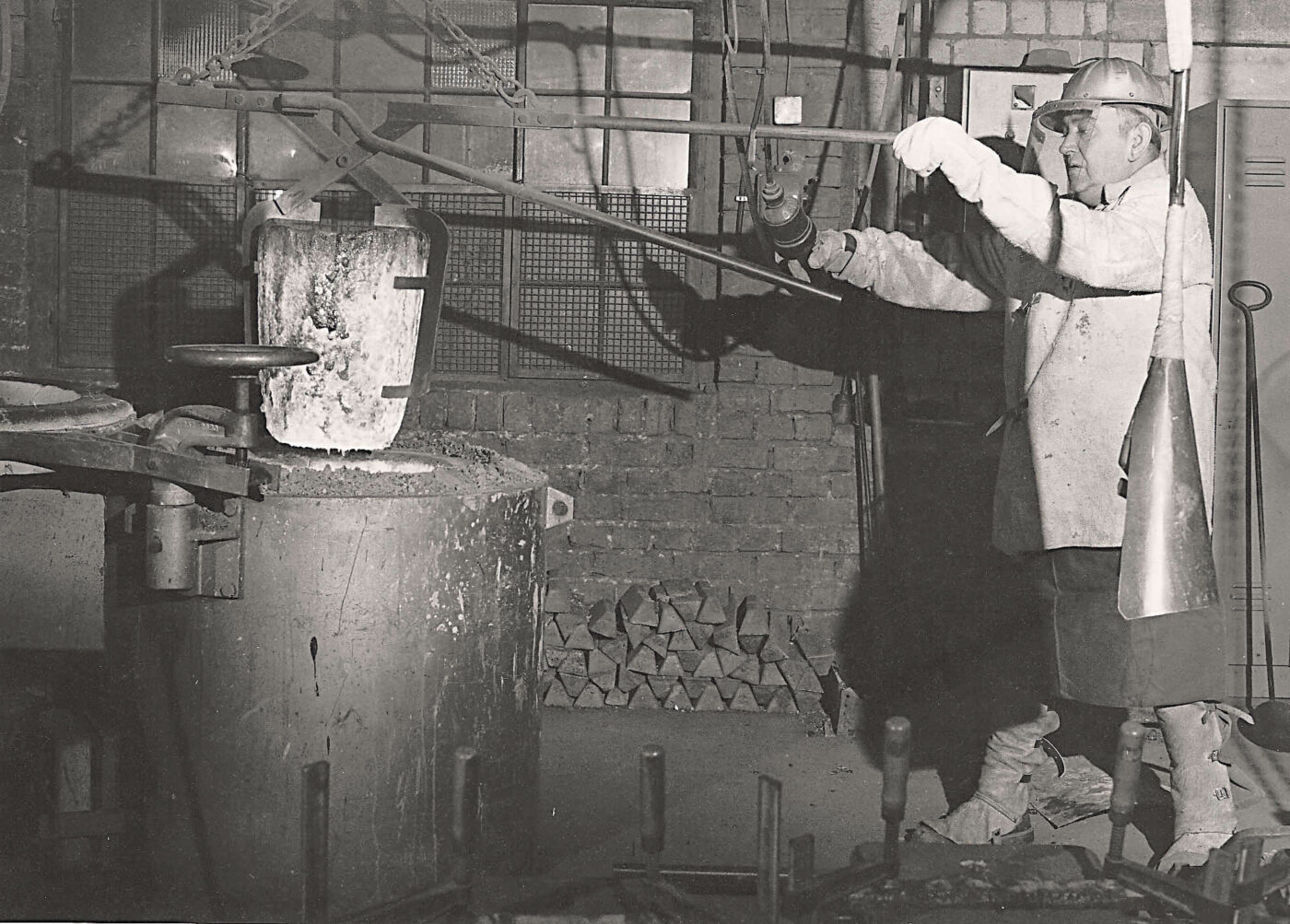
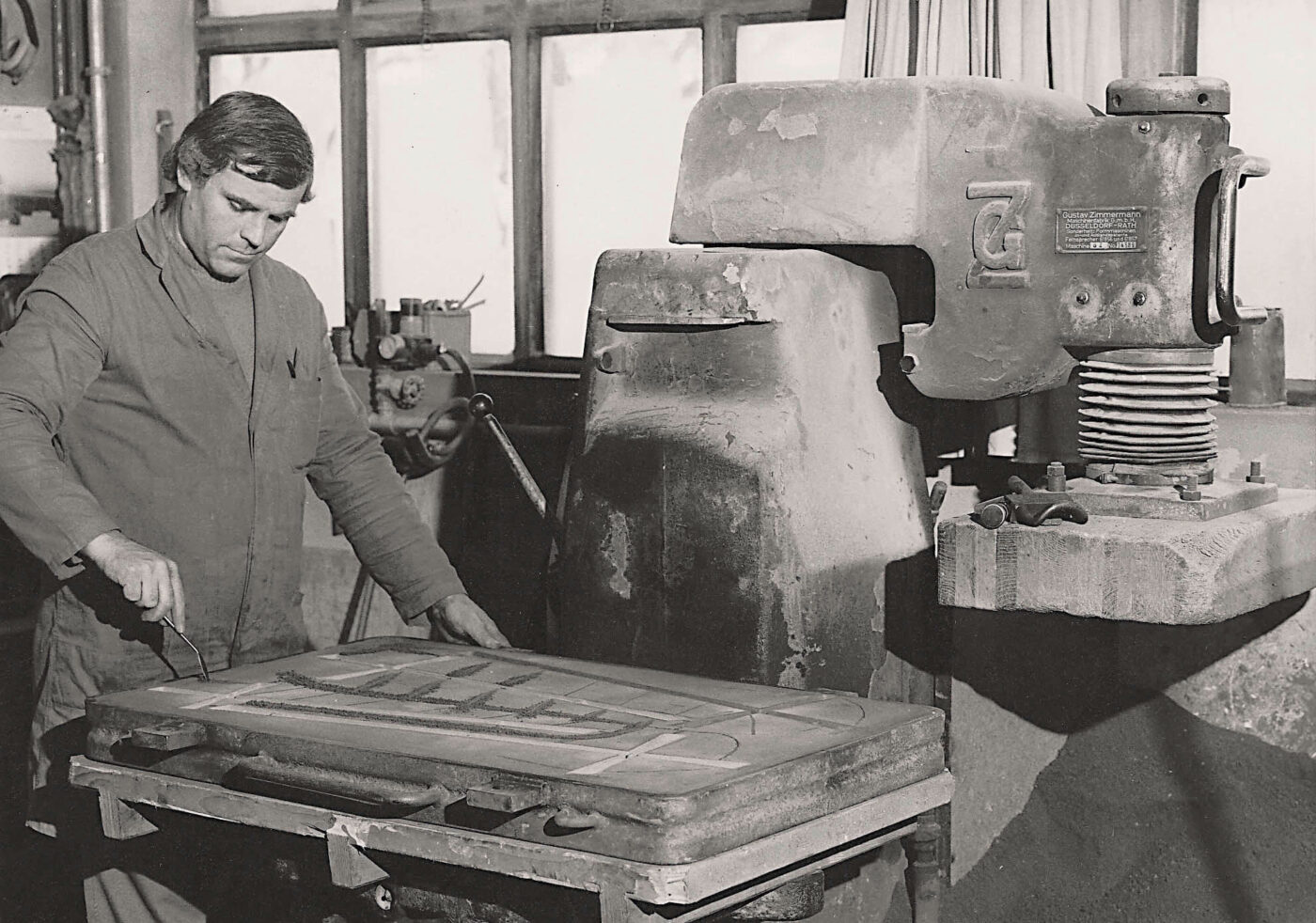
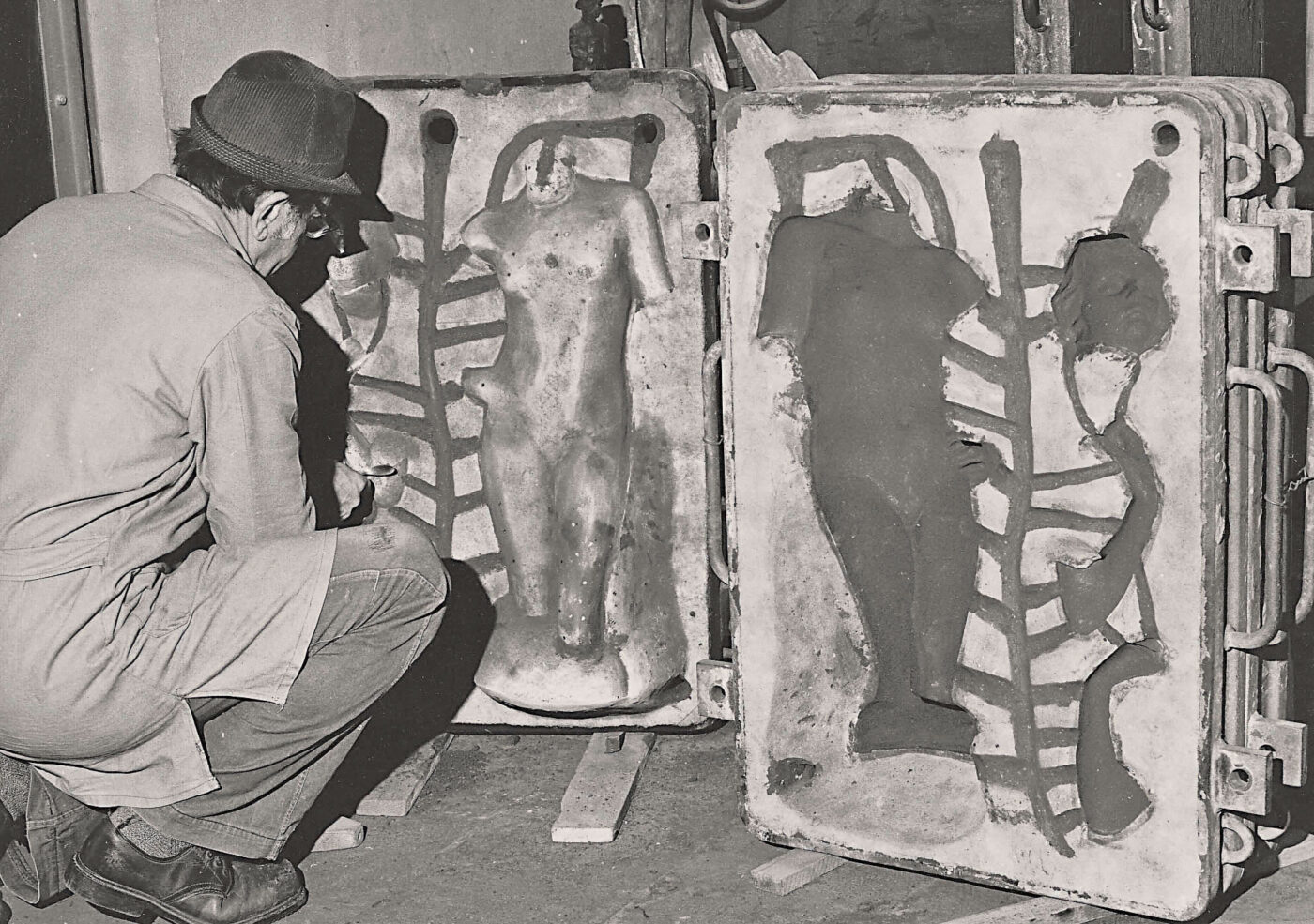
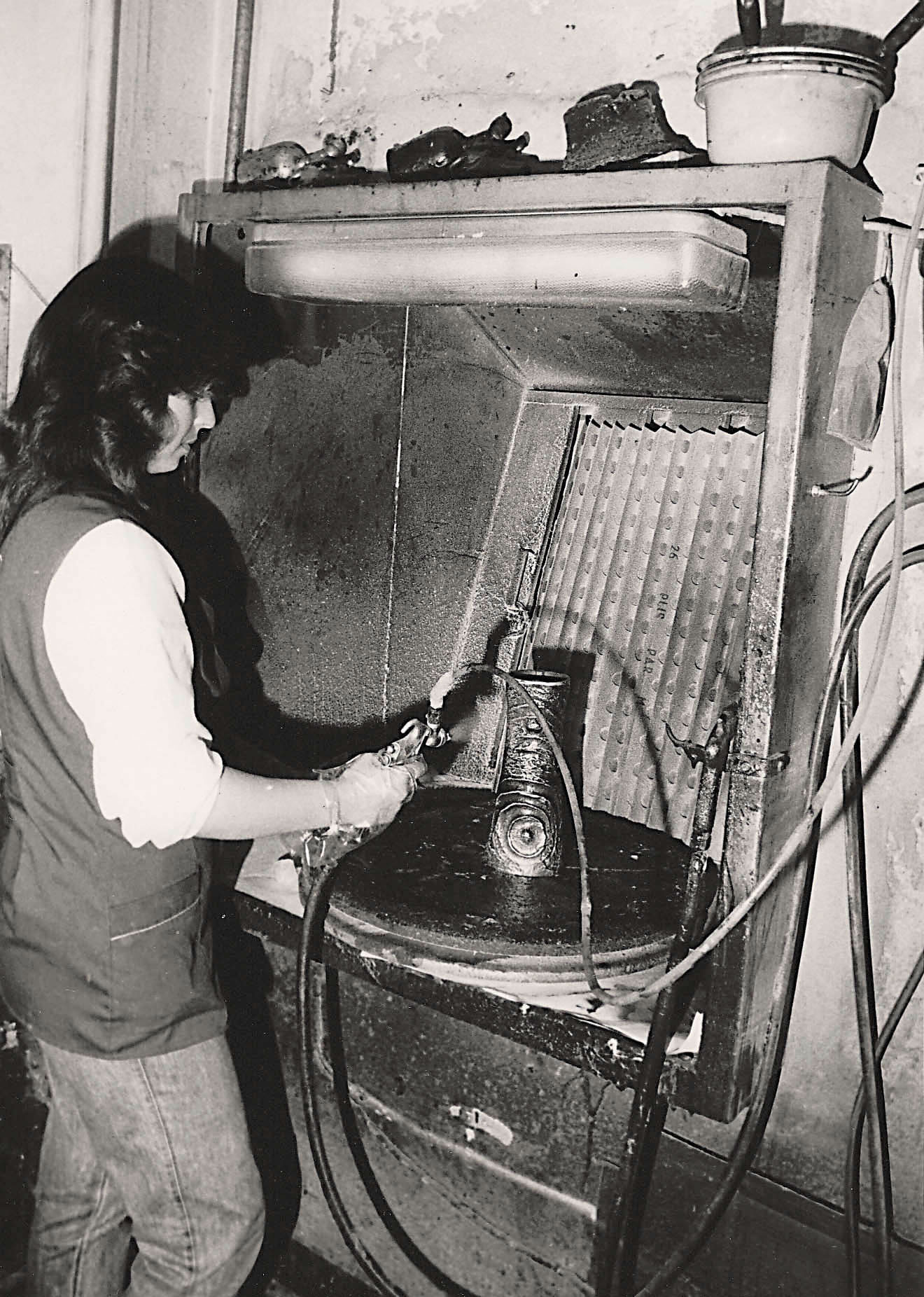
In 1948, Nikolaus Plein and his two children rebuilt the company’s metalworking division and founded Eifeler Metallplastik, Nikolaus Plein & Co. Bronze castings and electroplated parts became the company’s main products.
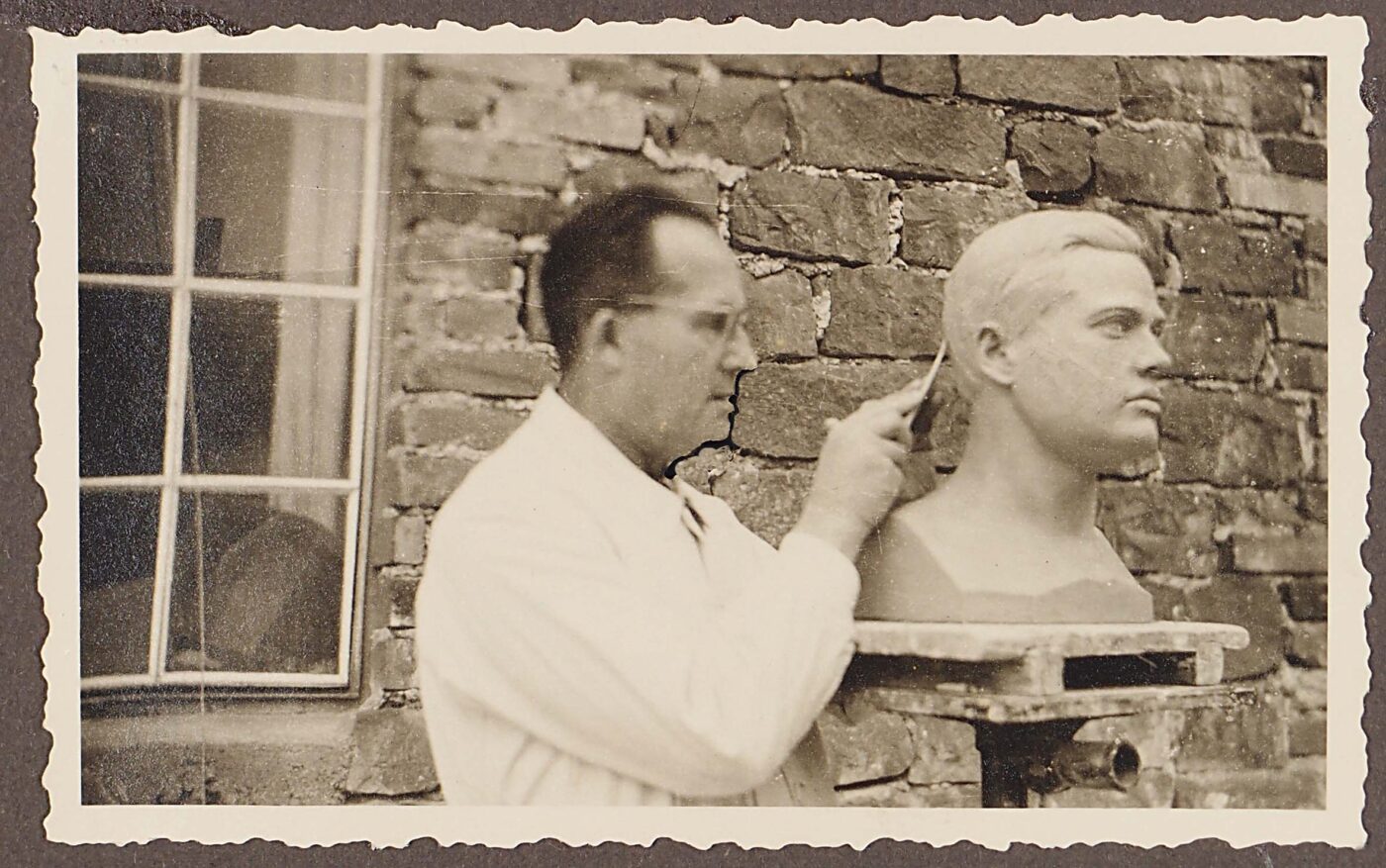
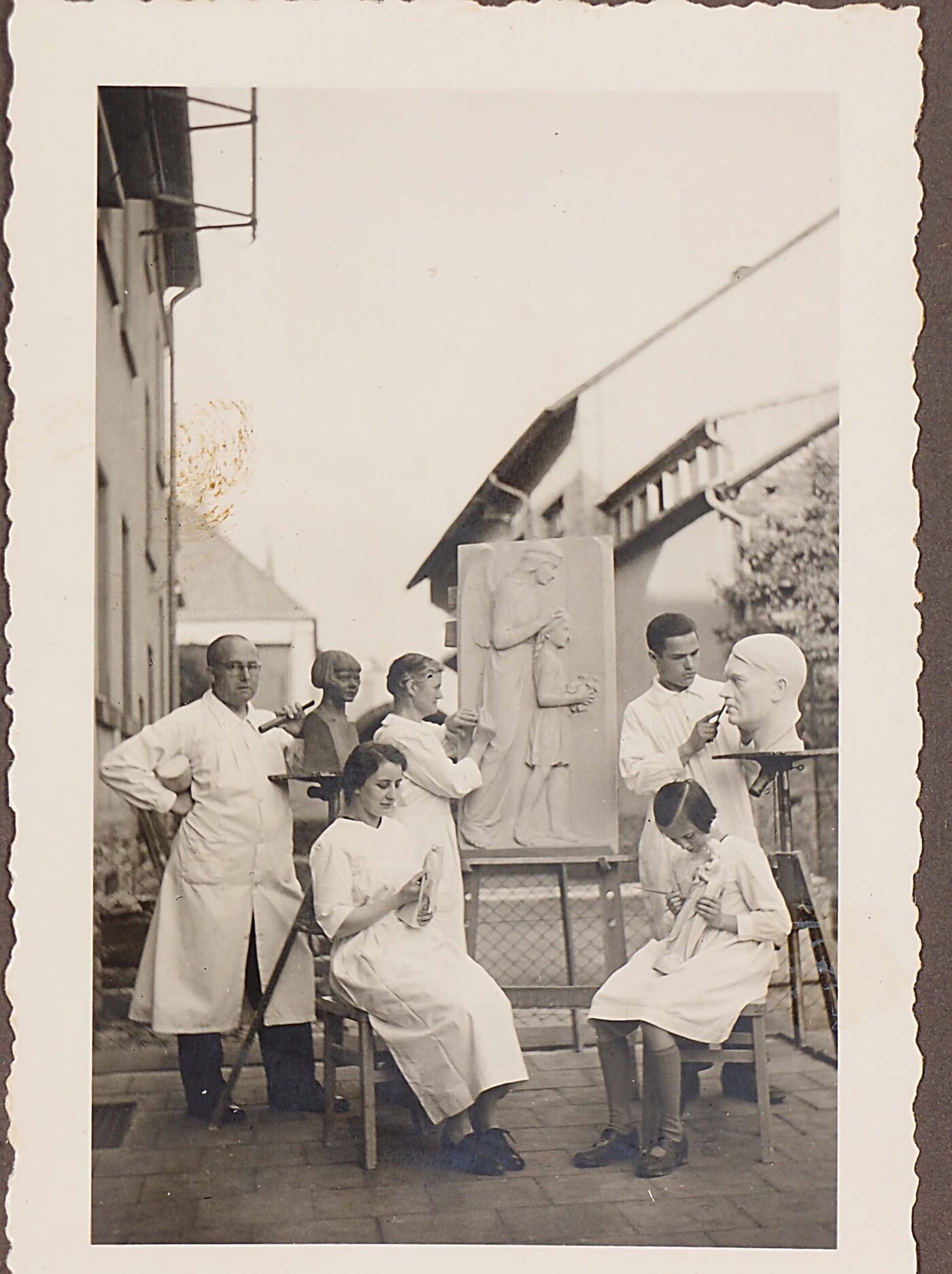
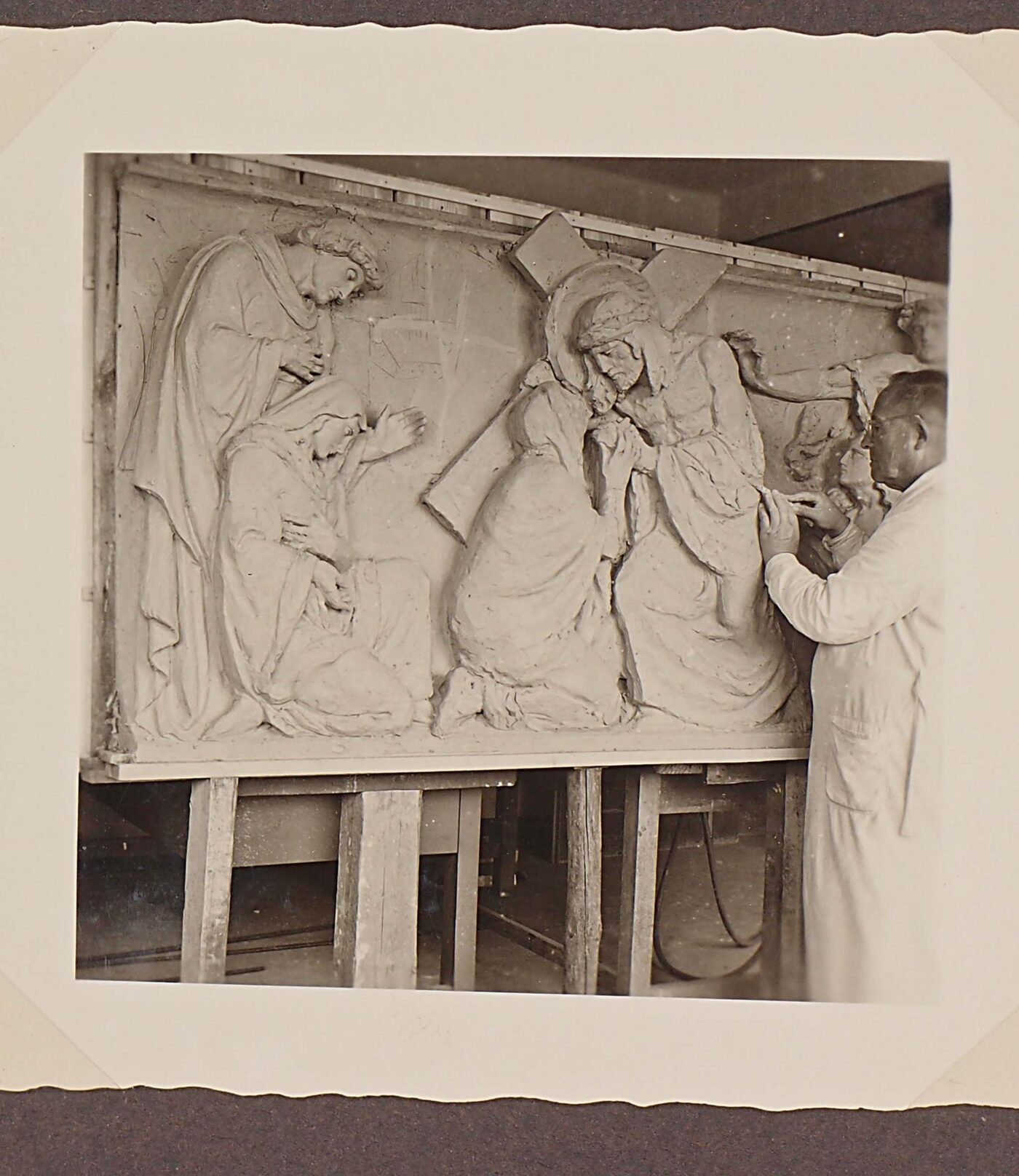
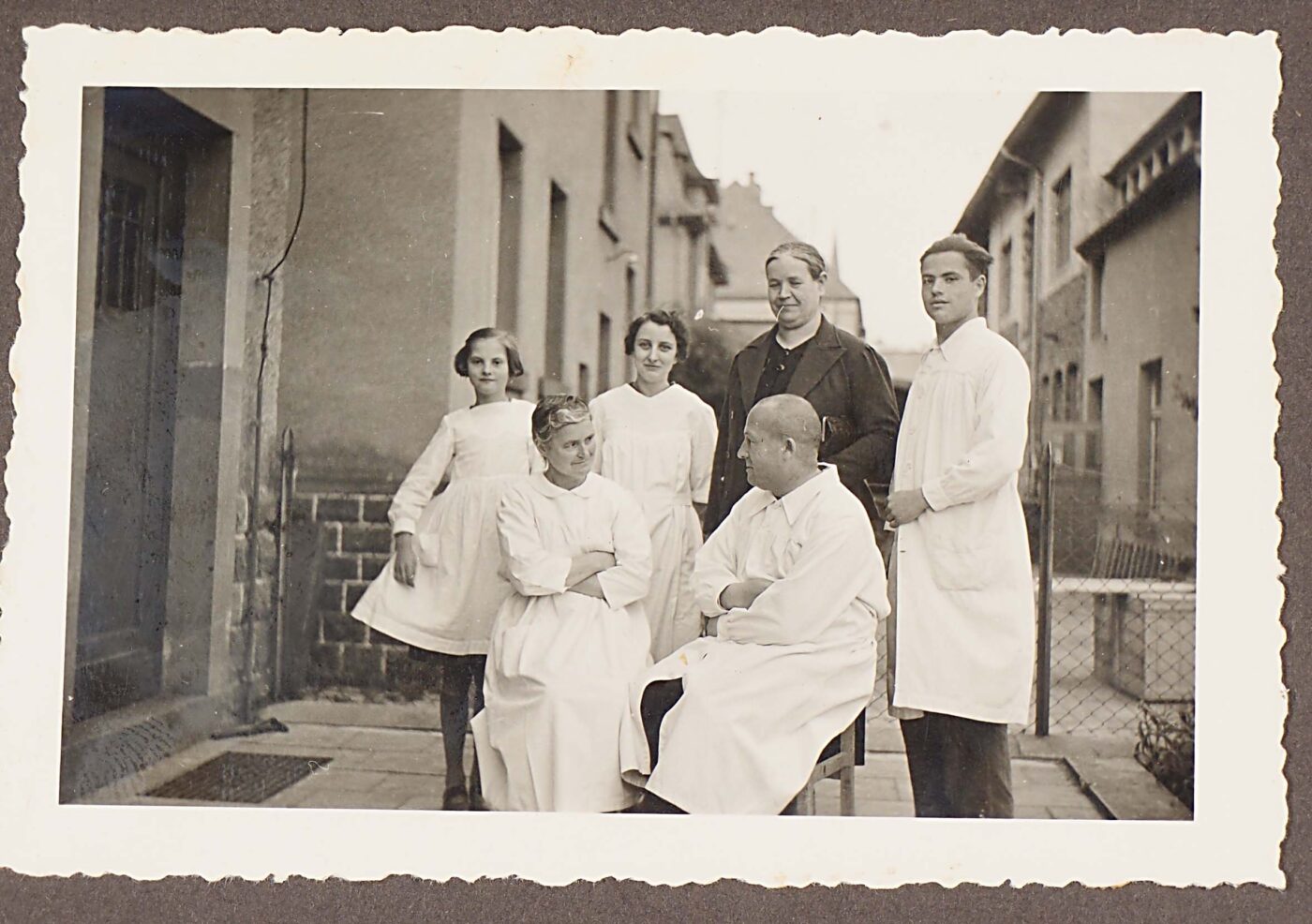
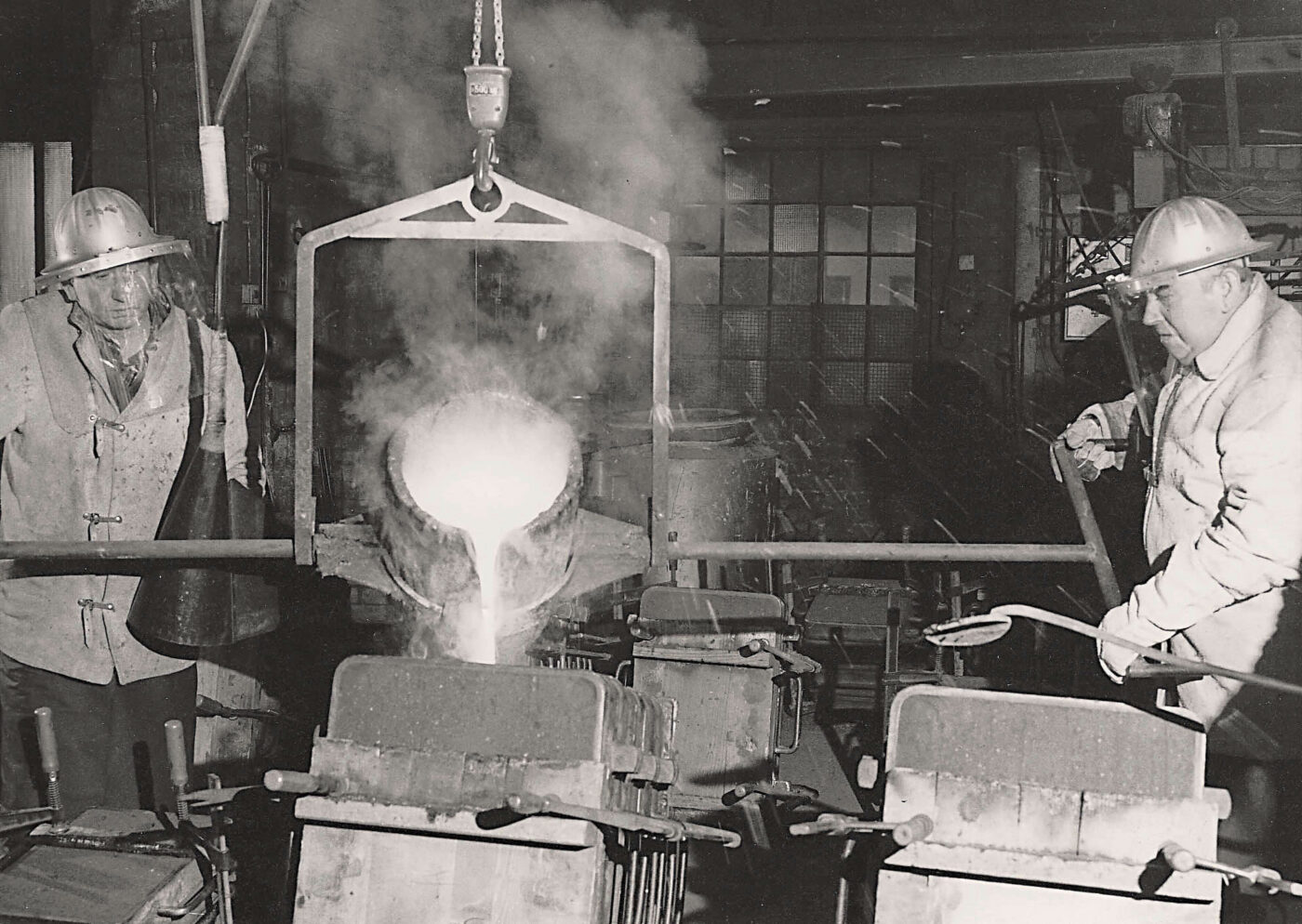
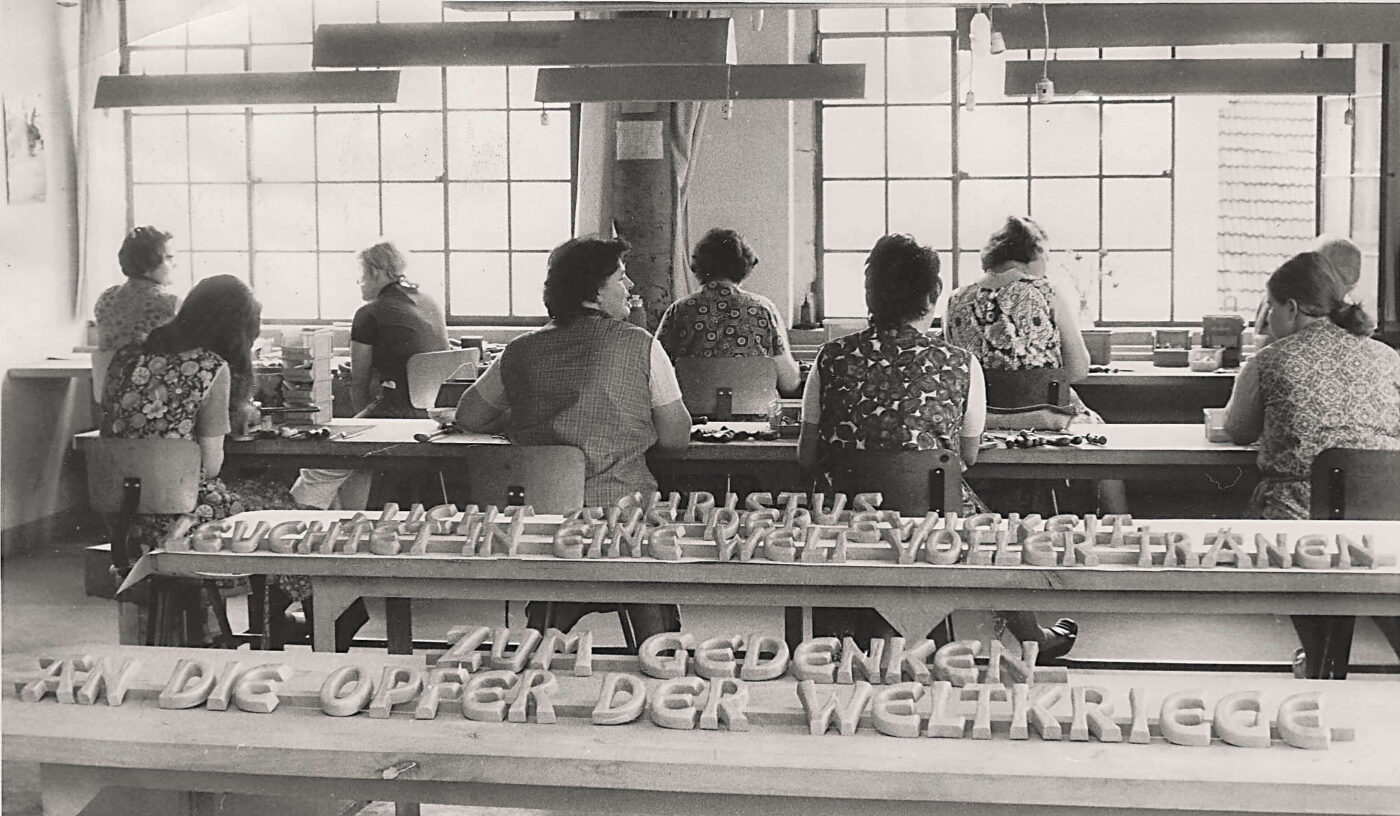
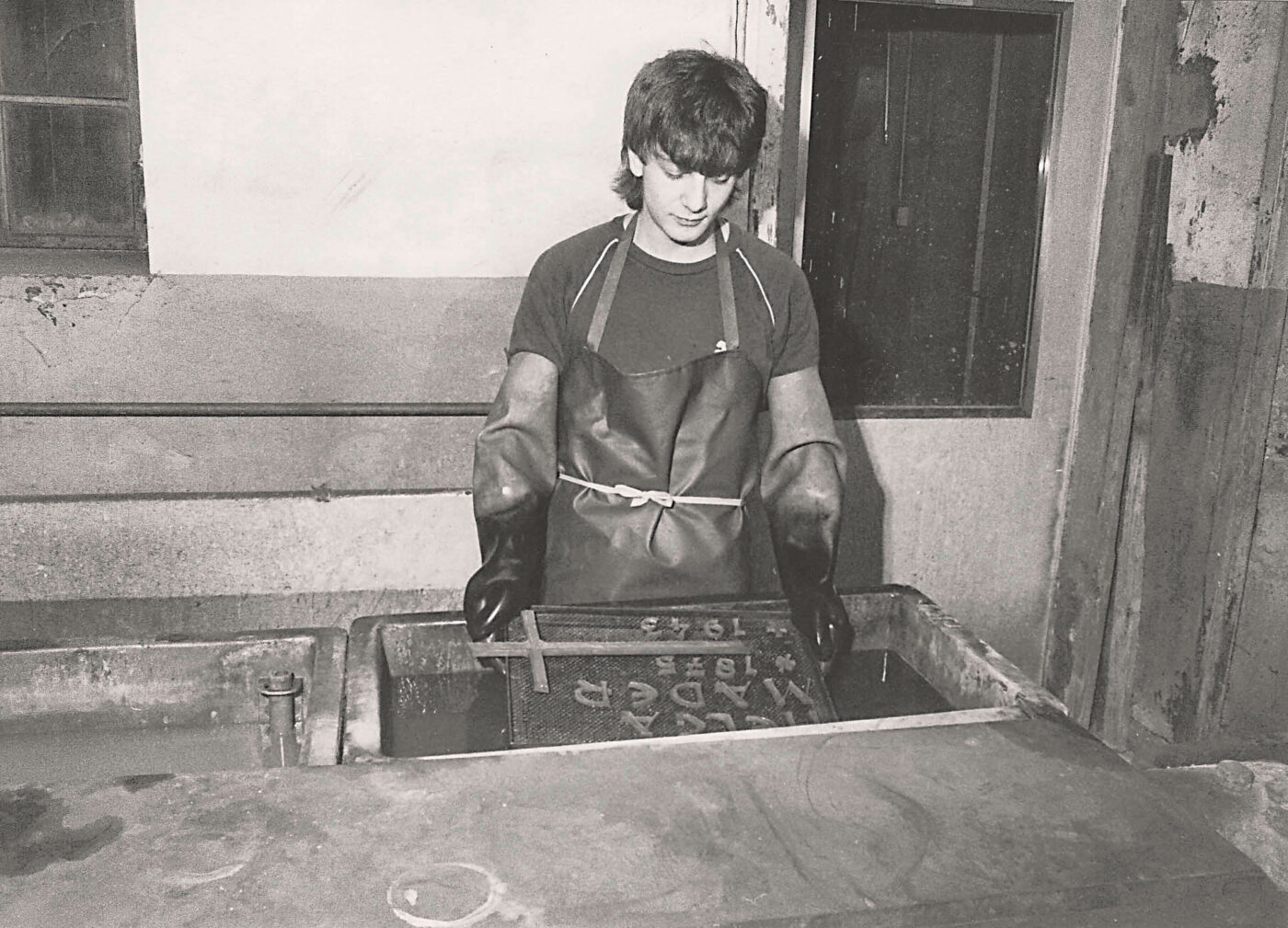
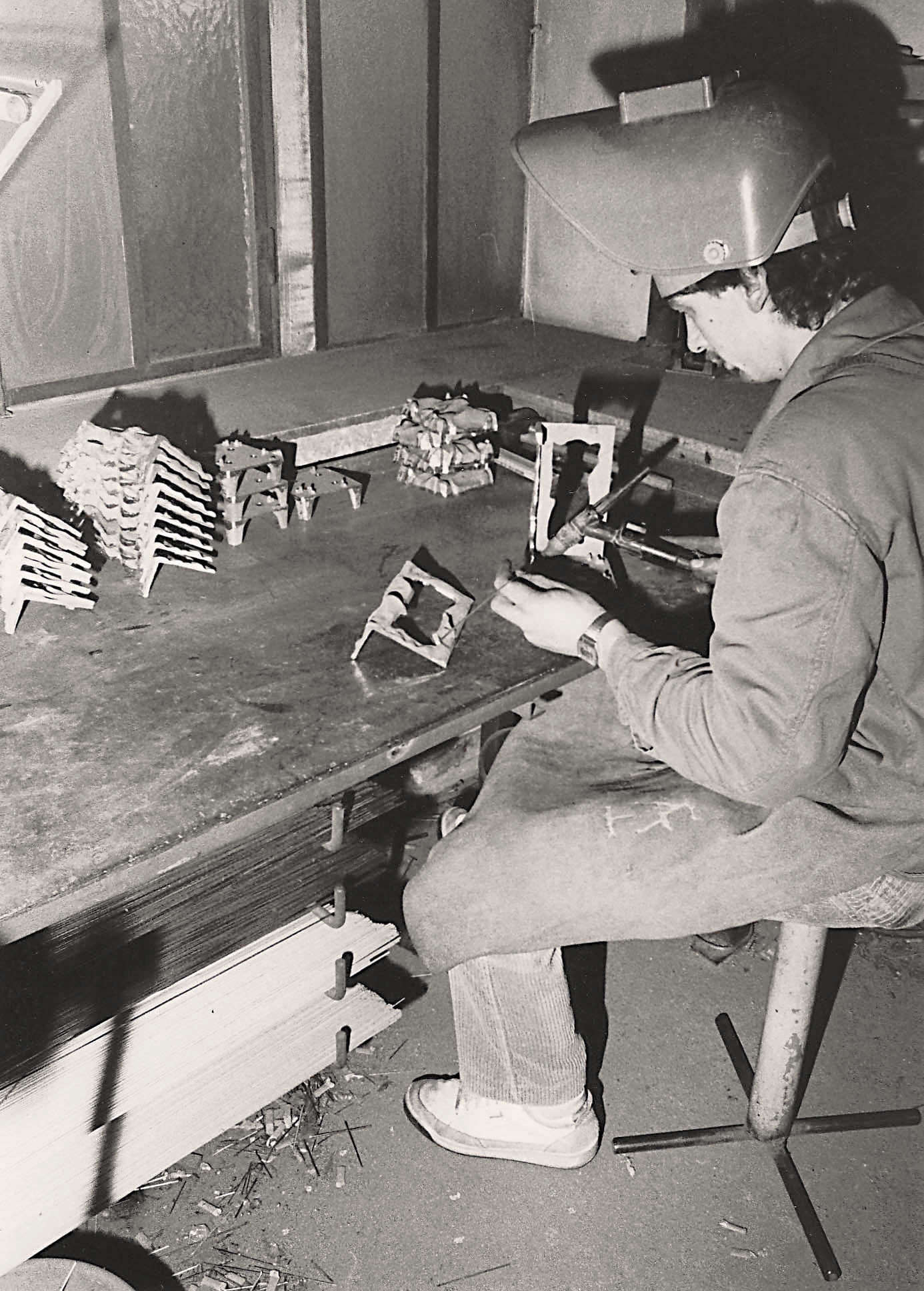
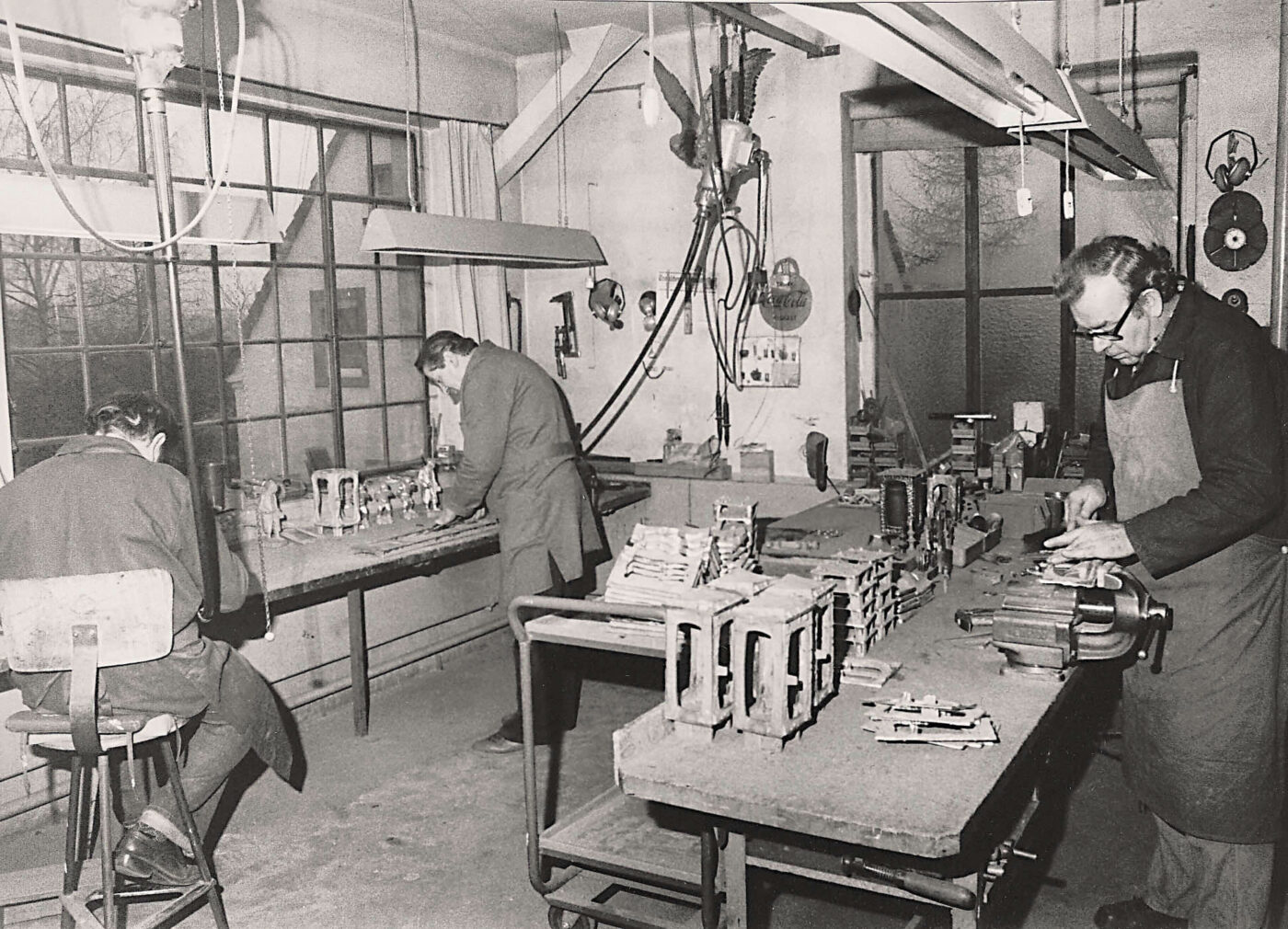
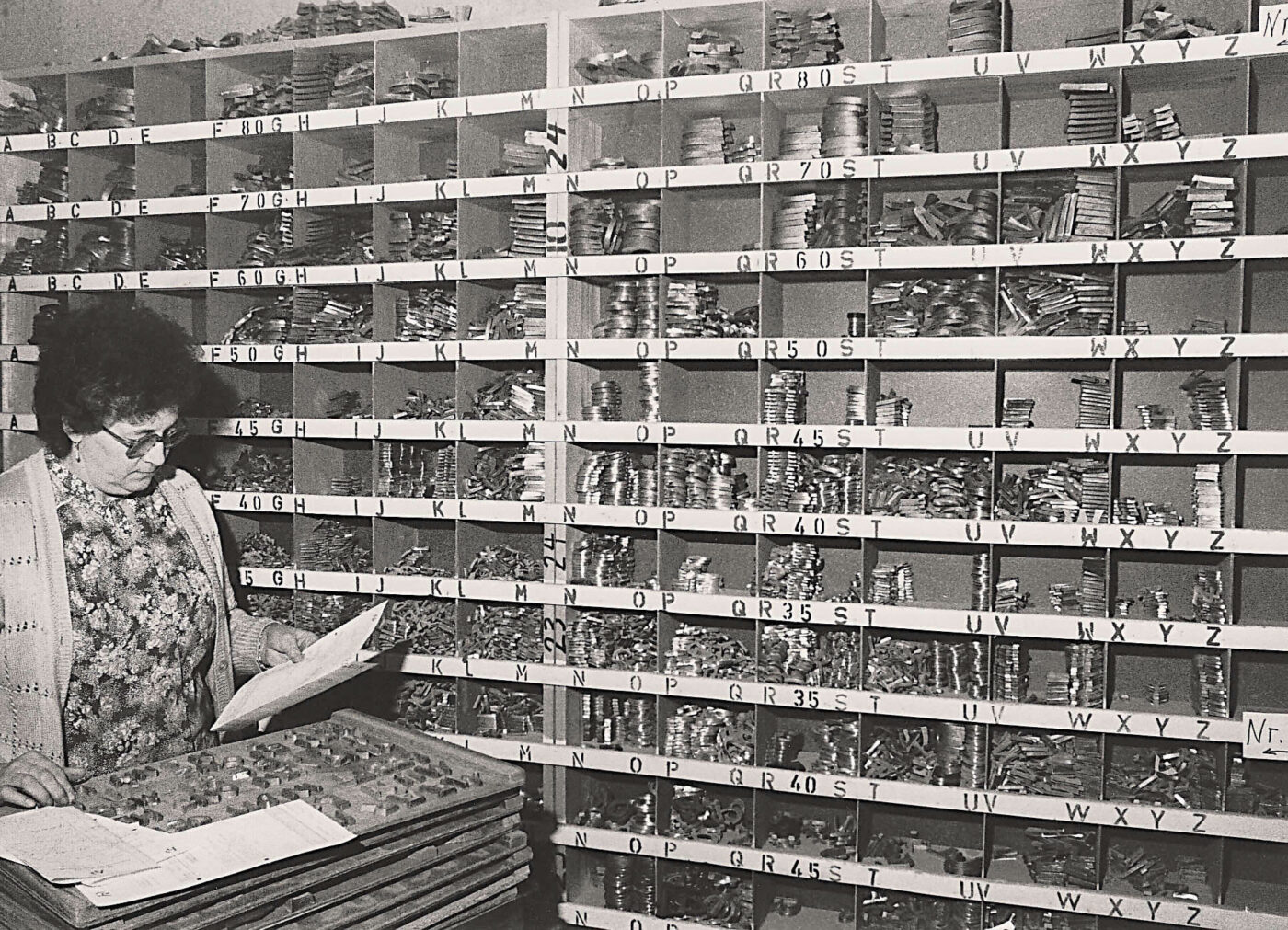
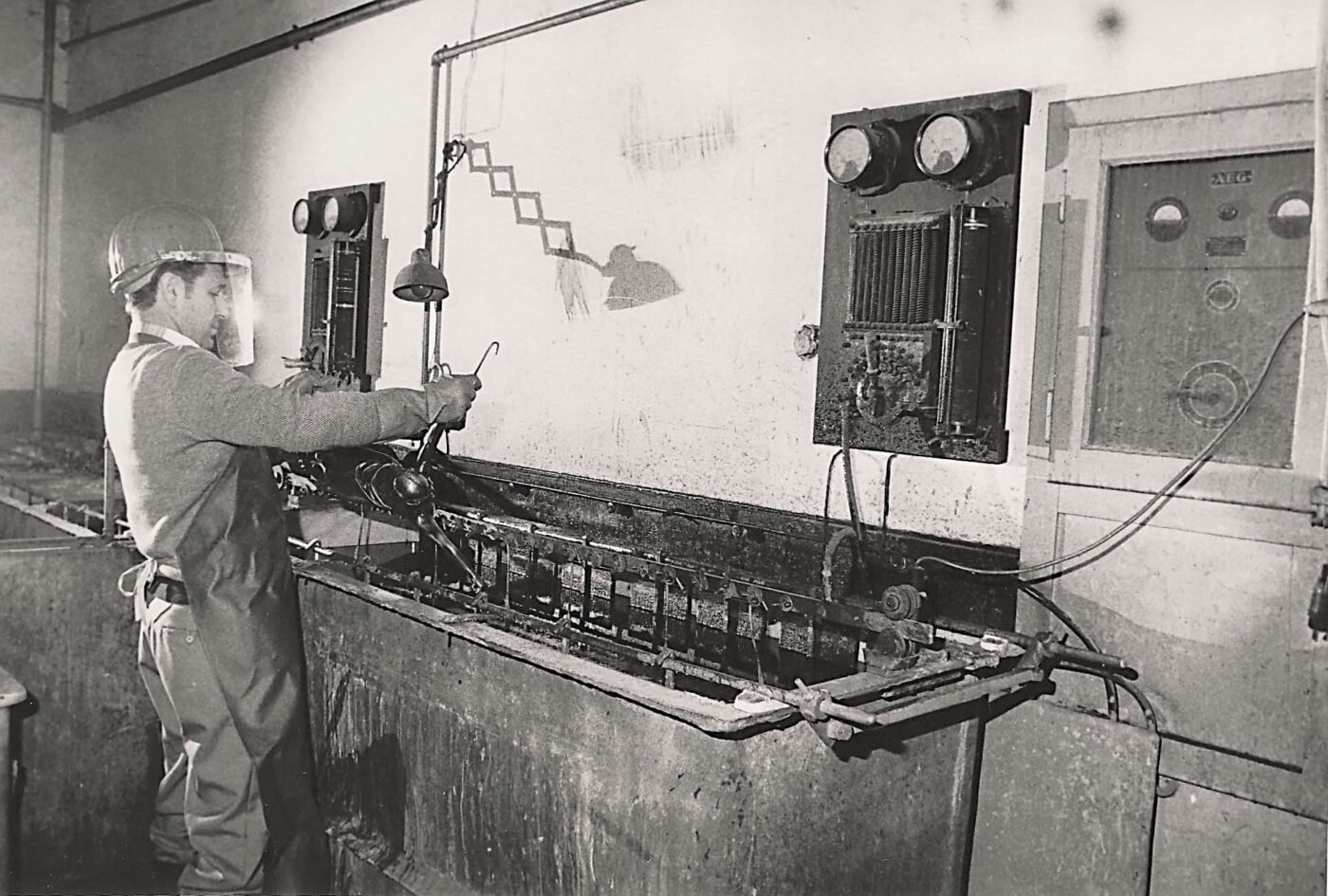
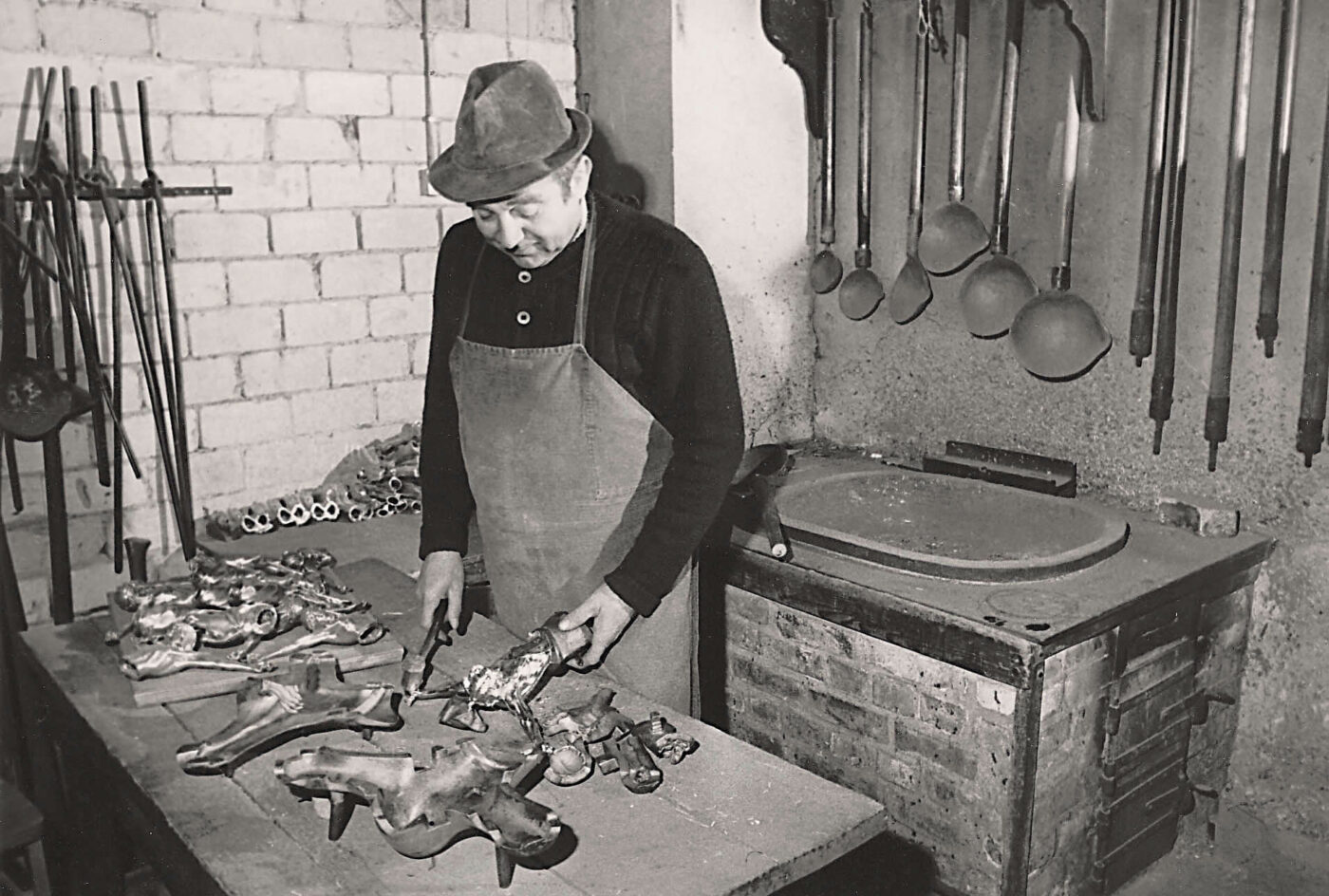
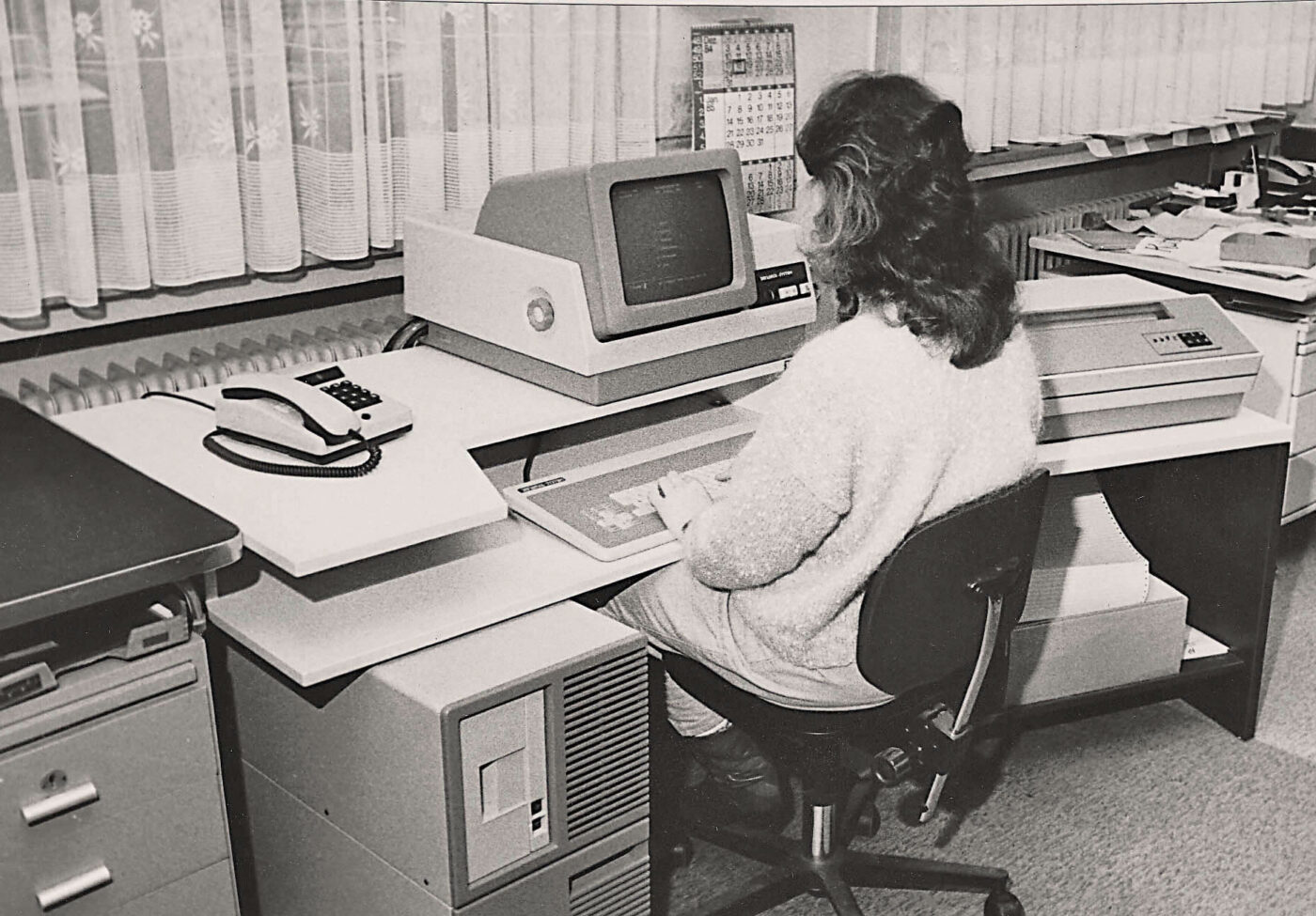
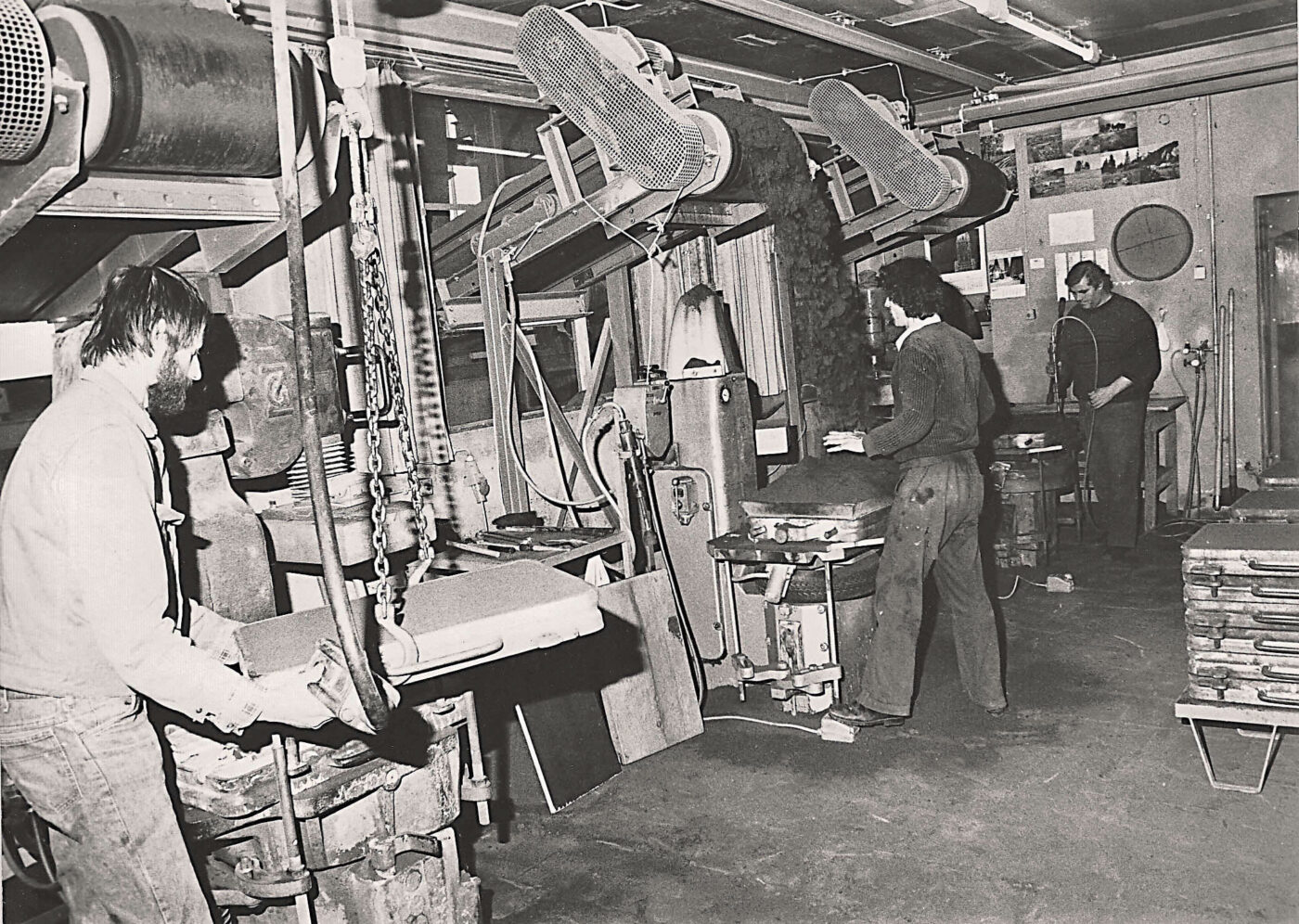
The ceramics and terracotta division continued to operate under the name Plein Brothers Warehouse and was run by Adam Plein together with his sons.
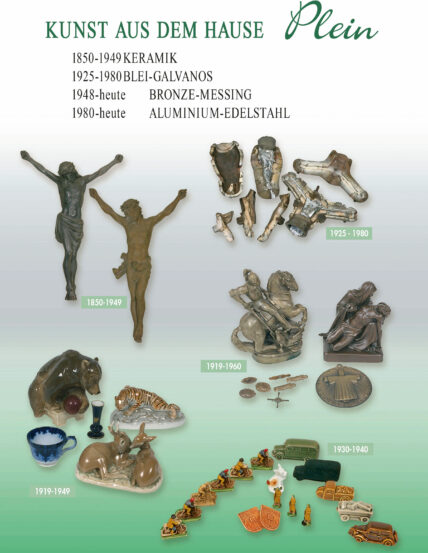
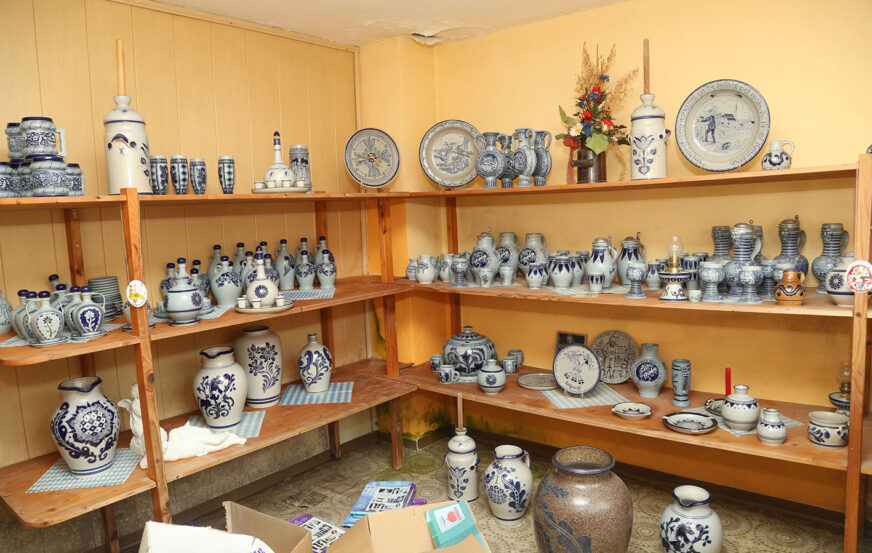
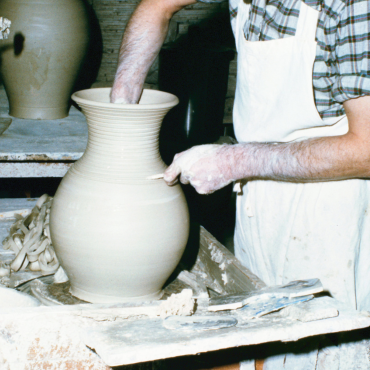
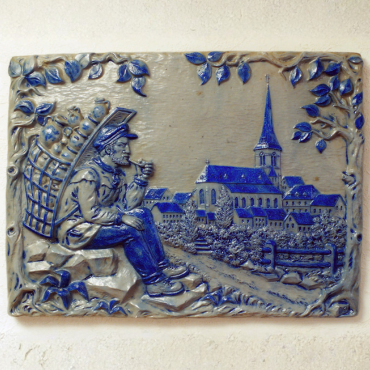
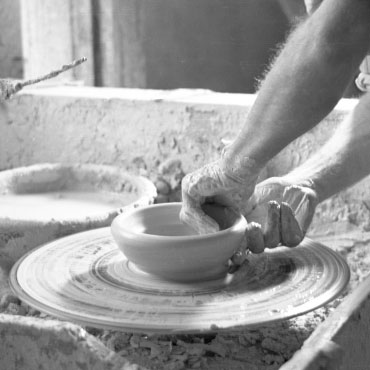
Examples of works produced by the ceramics department from 1920 to 1980
Expansion of the product range
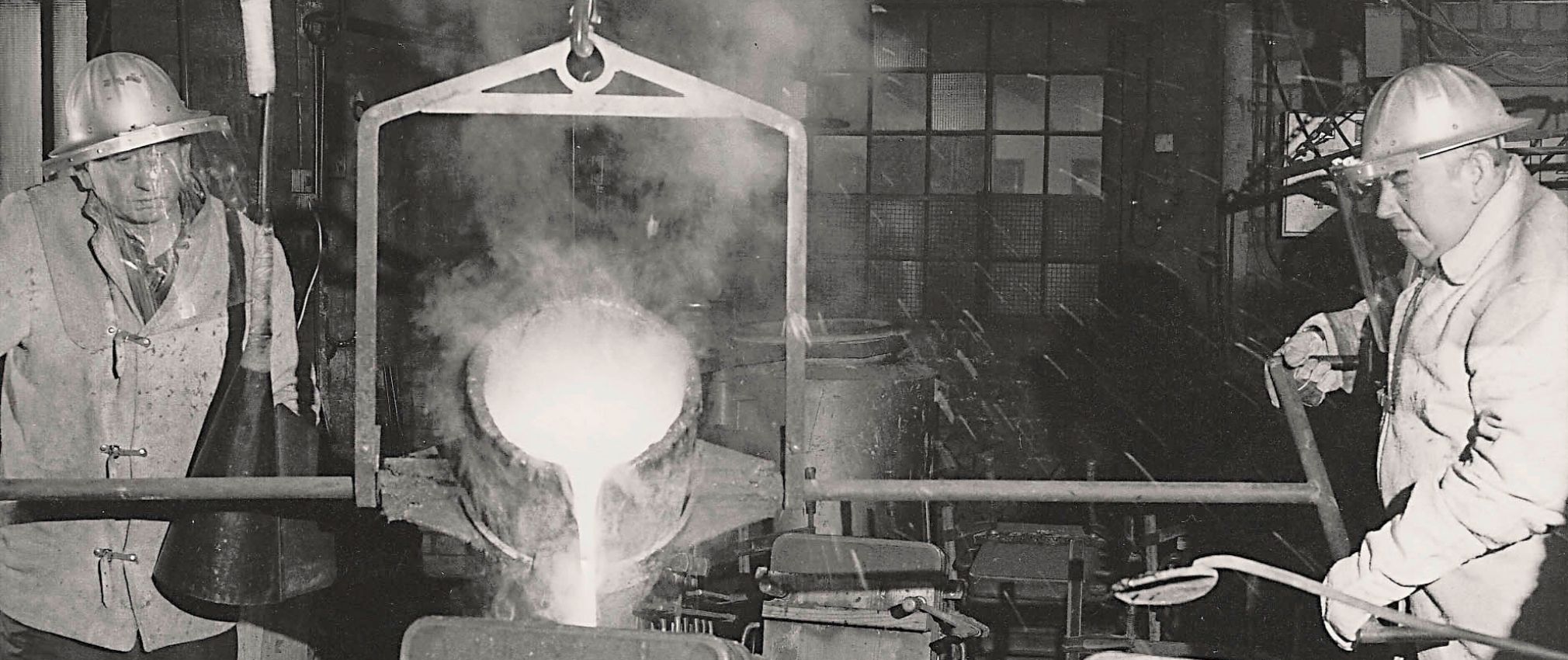
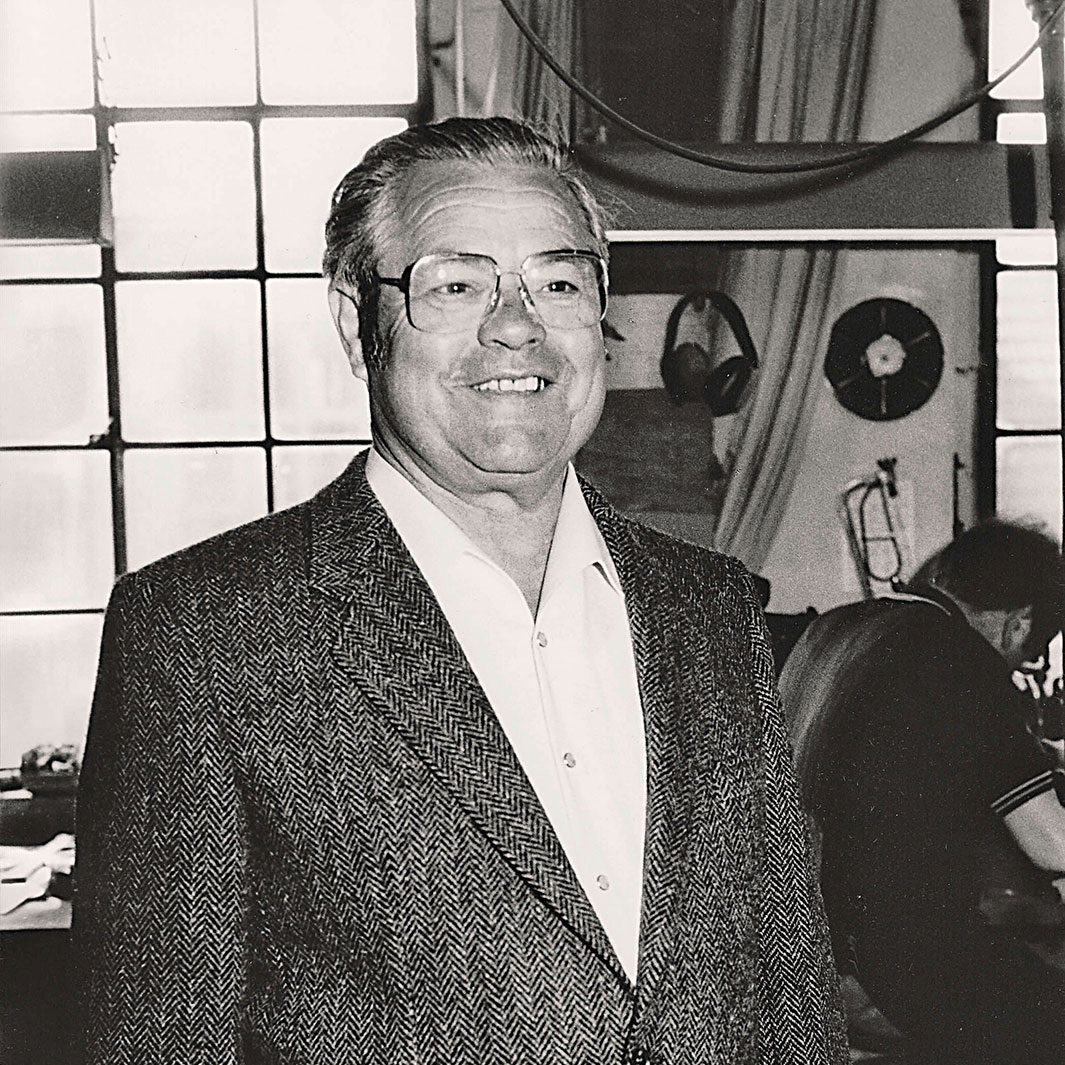
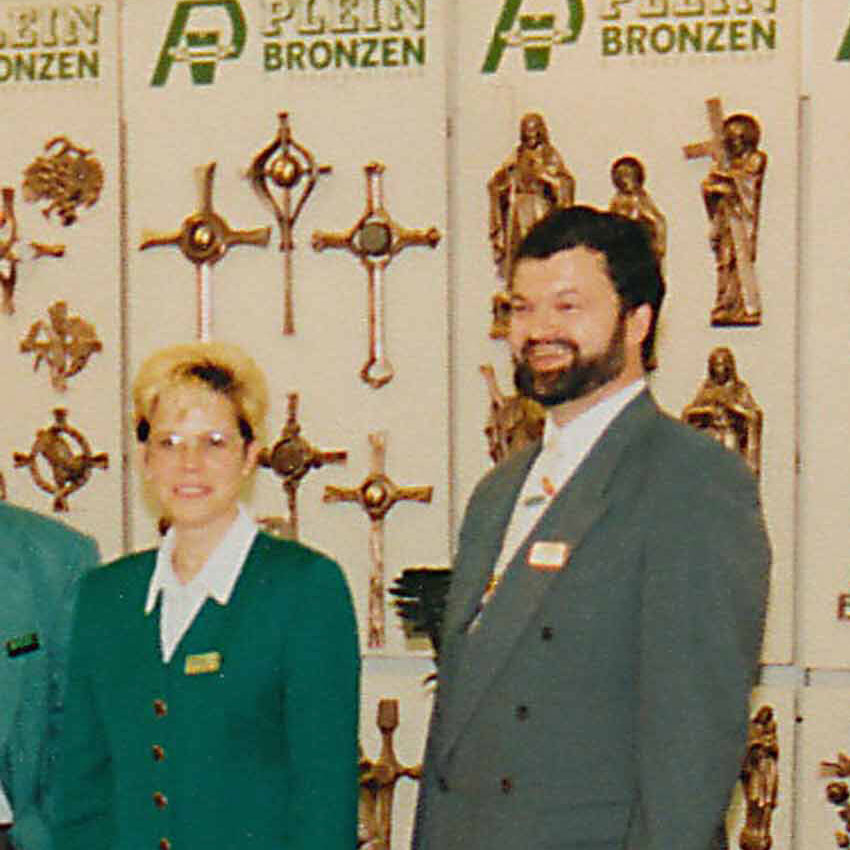
Expansion of the product line and rising demand in the metal industry made it necessary to build an extension on the old company grounds in 1960 and to construct a new foundry in the late 1970s. Since 1985, the company has operated under the name Plein Art Foundry GmbH, by which it is known today.
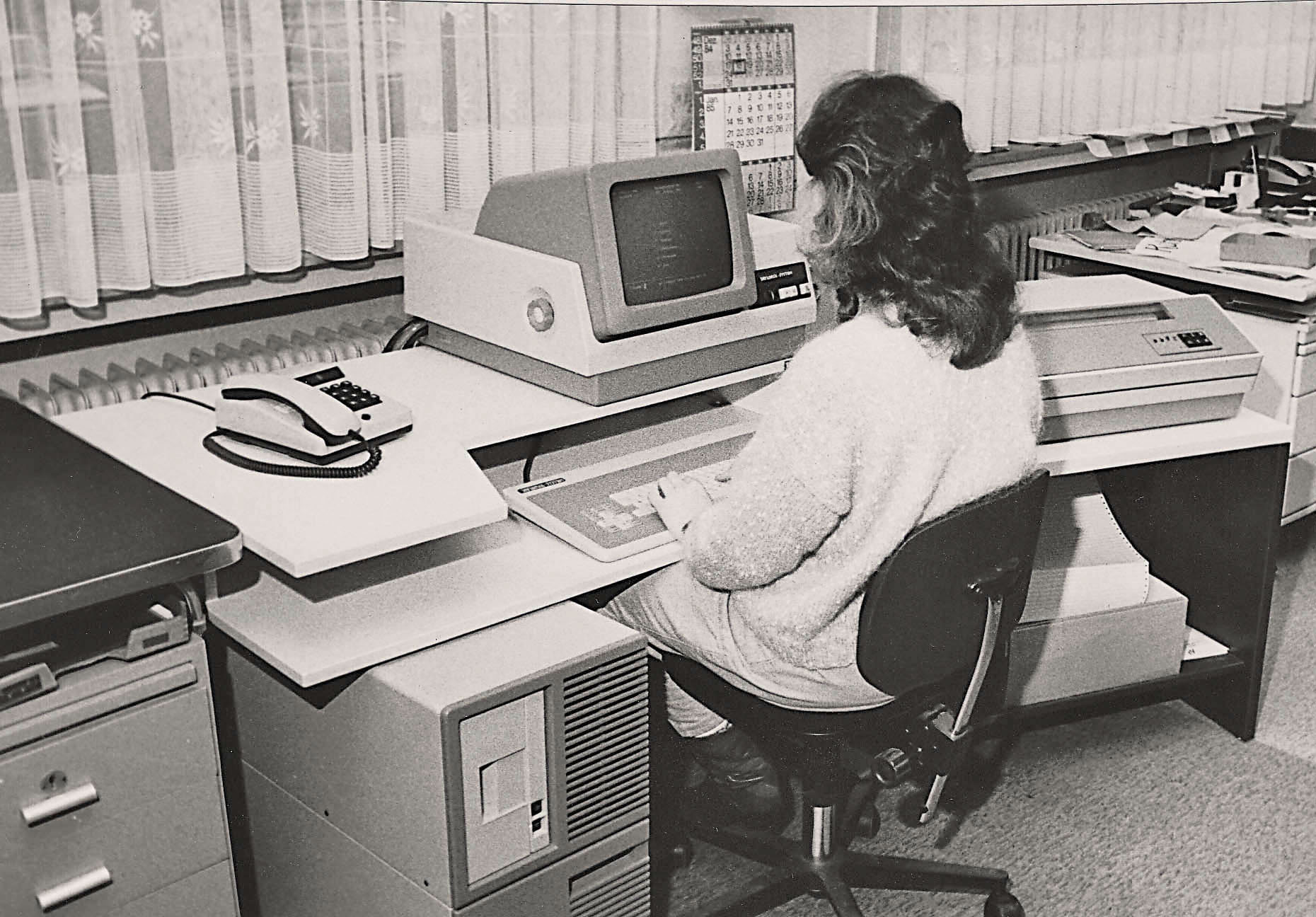

A New Location
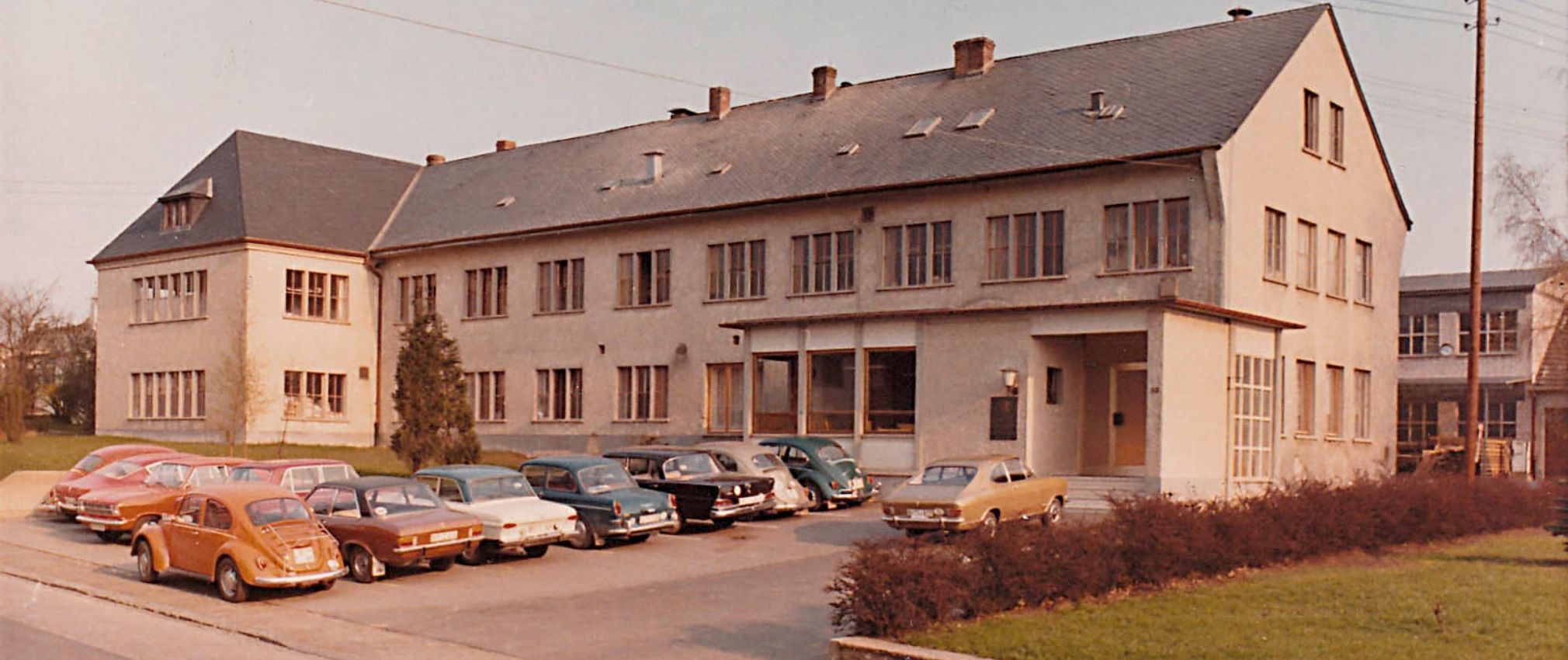
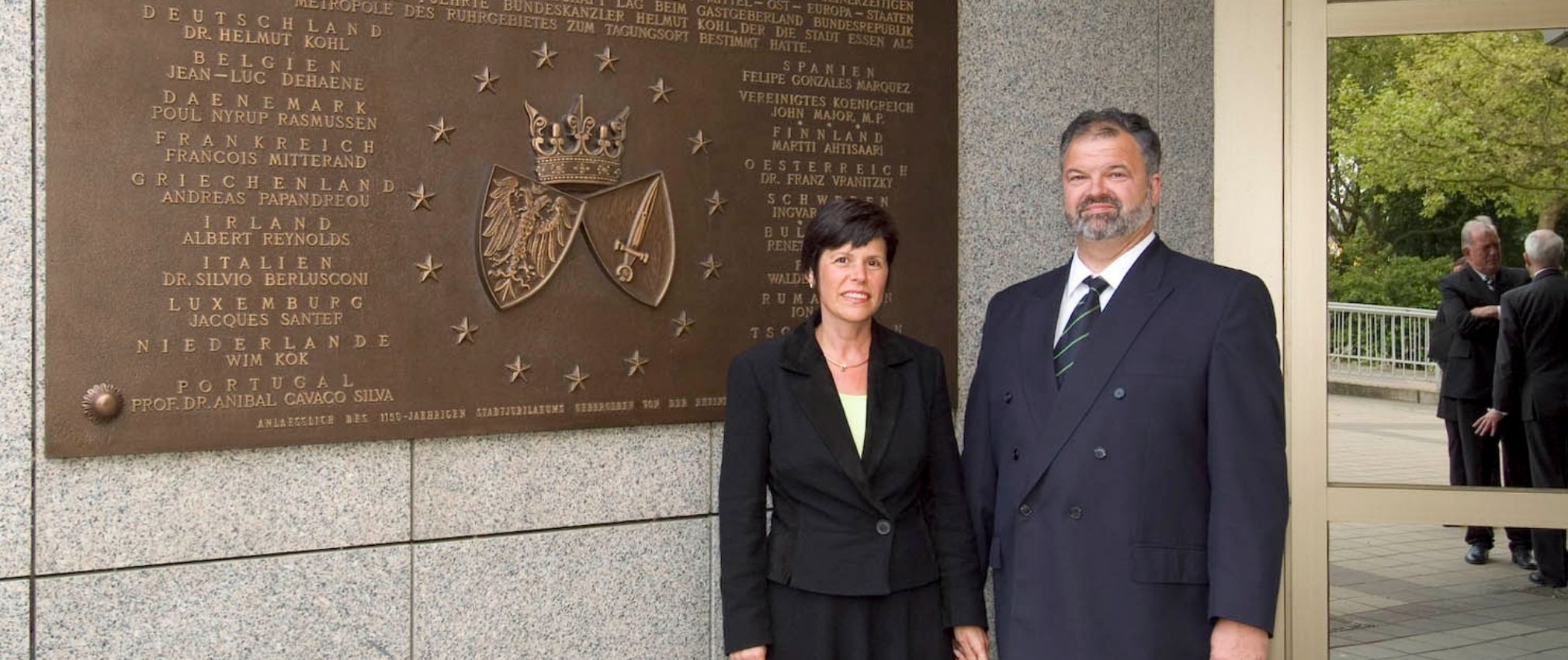
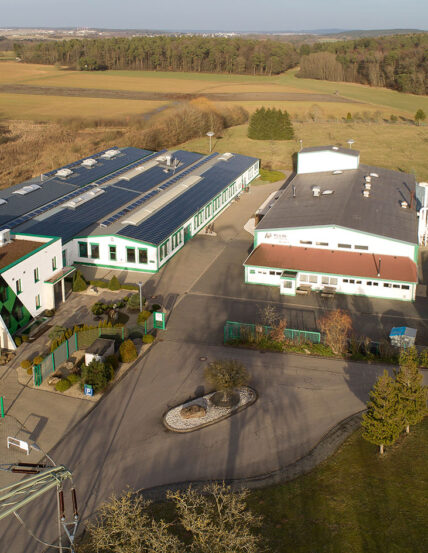
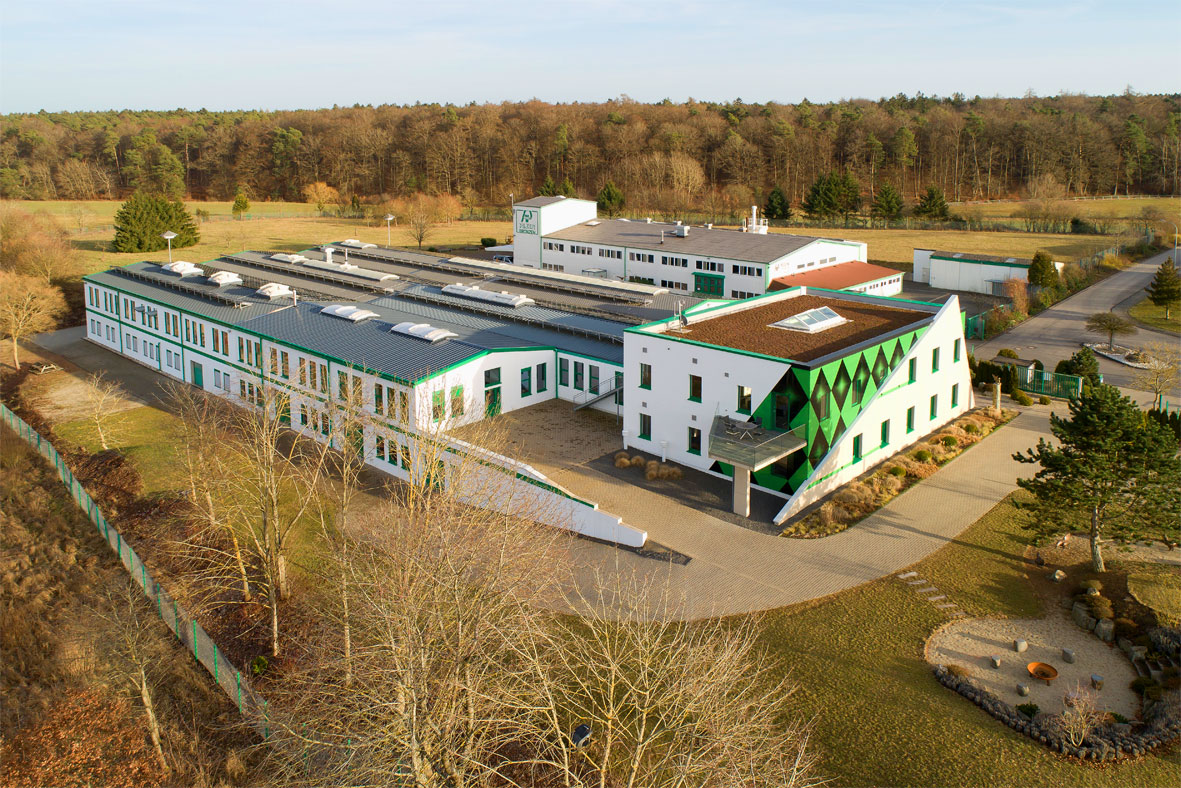
But even this expansion soon proved too small. Since late 1989, the foundry has been located at its current site in Weiherheide, and other parts of the production and administrative operations followed over the next three decades.
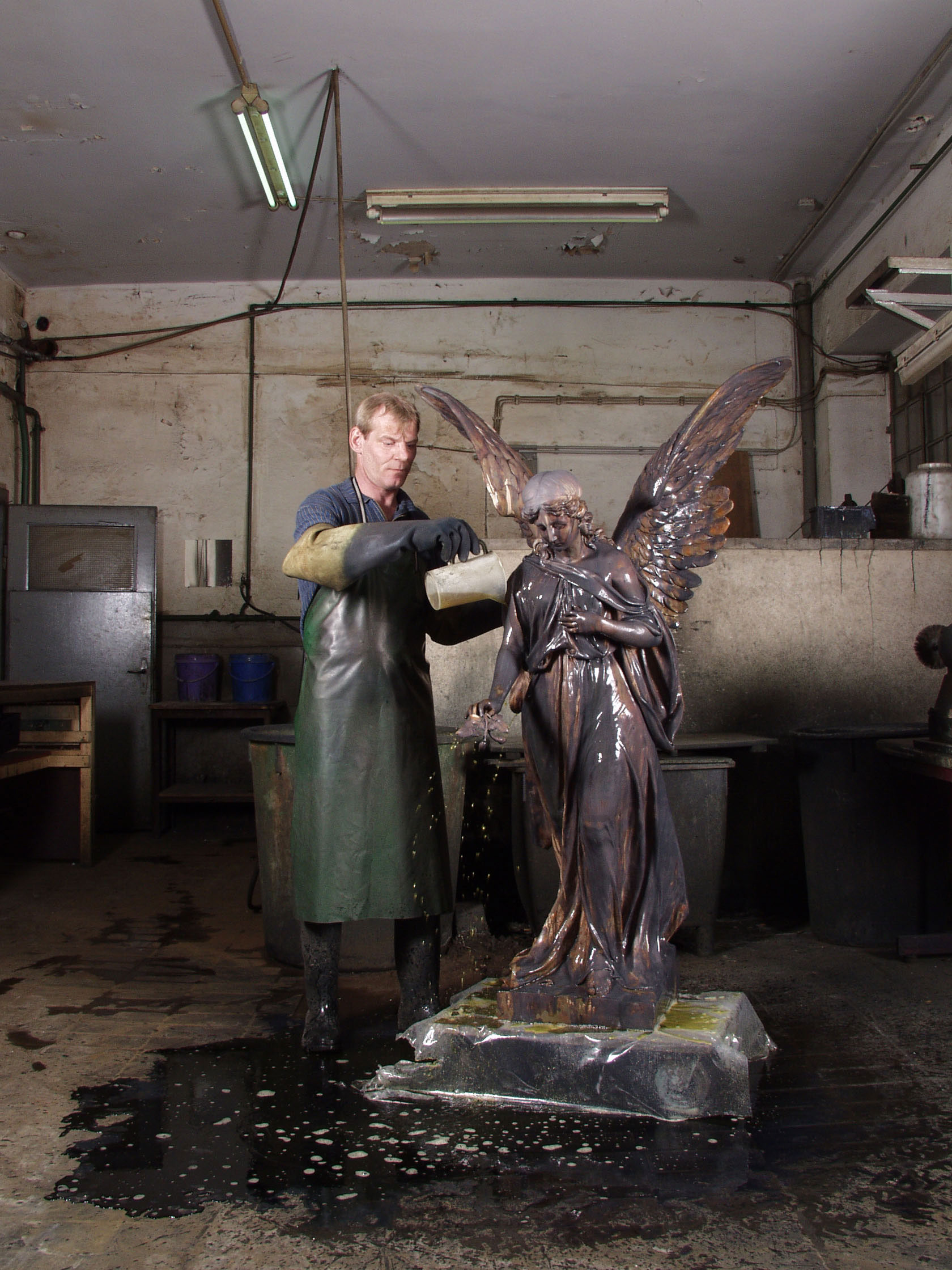
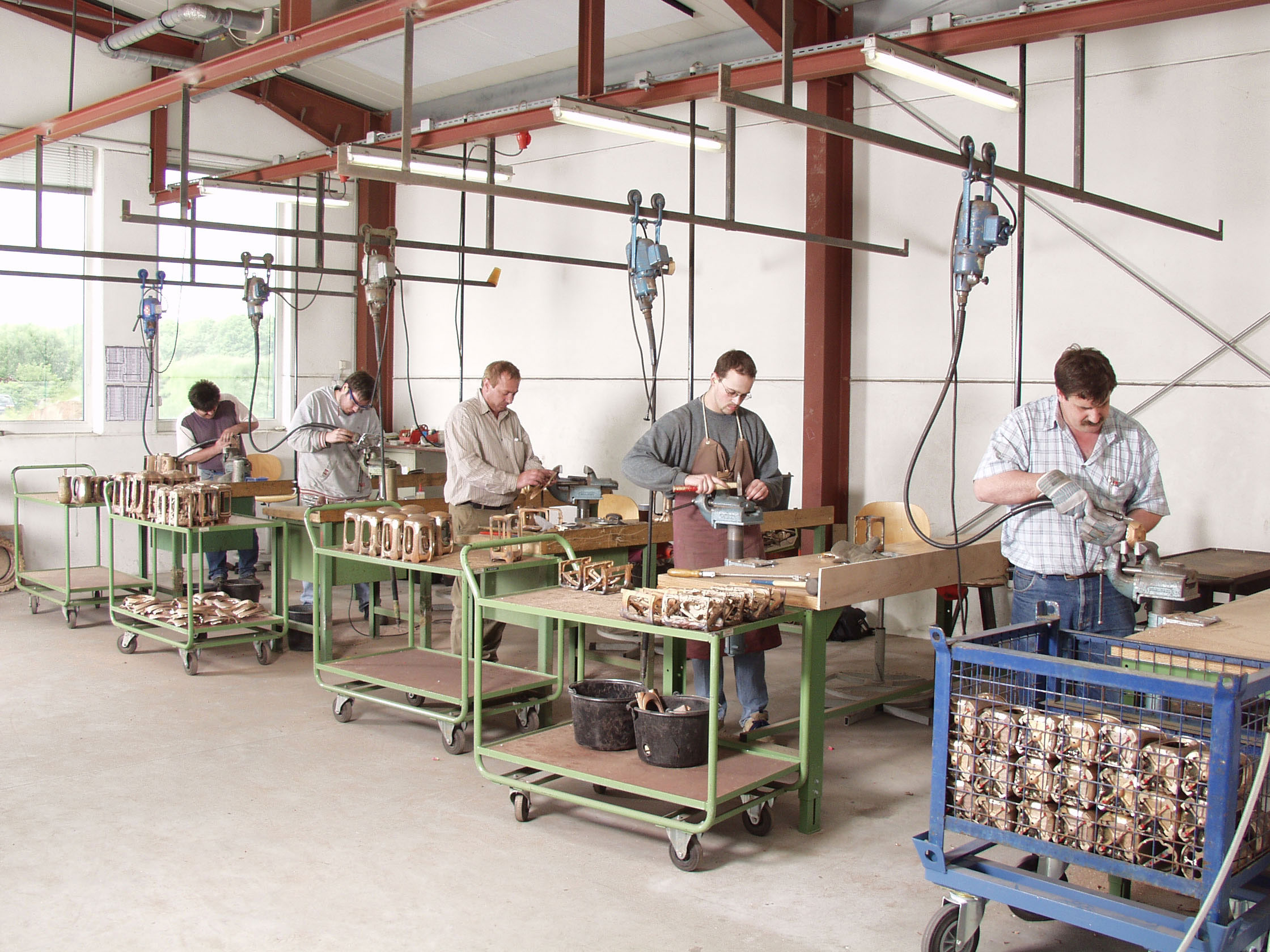
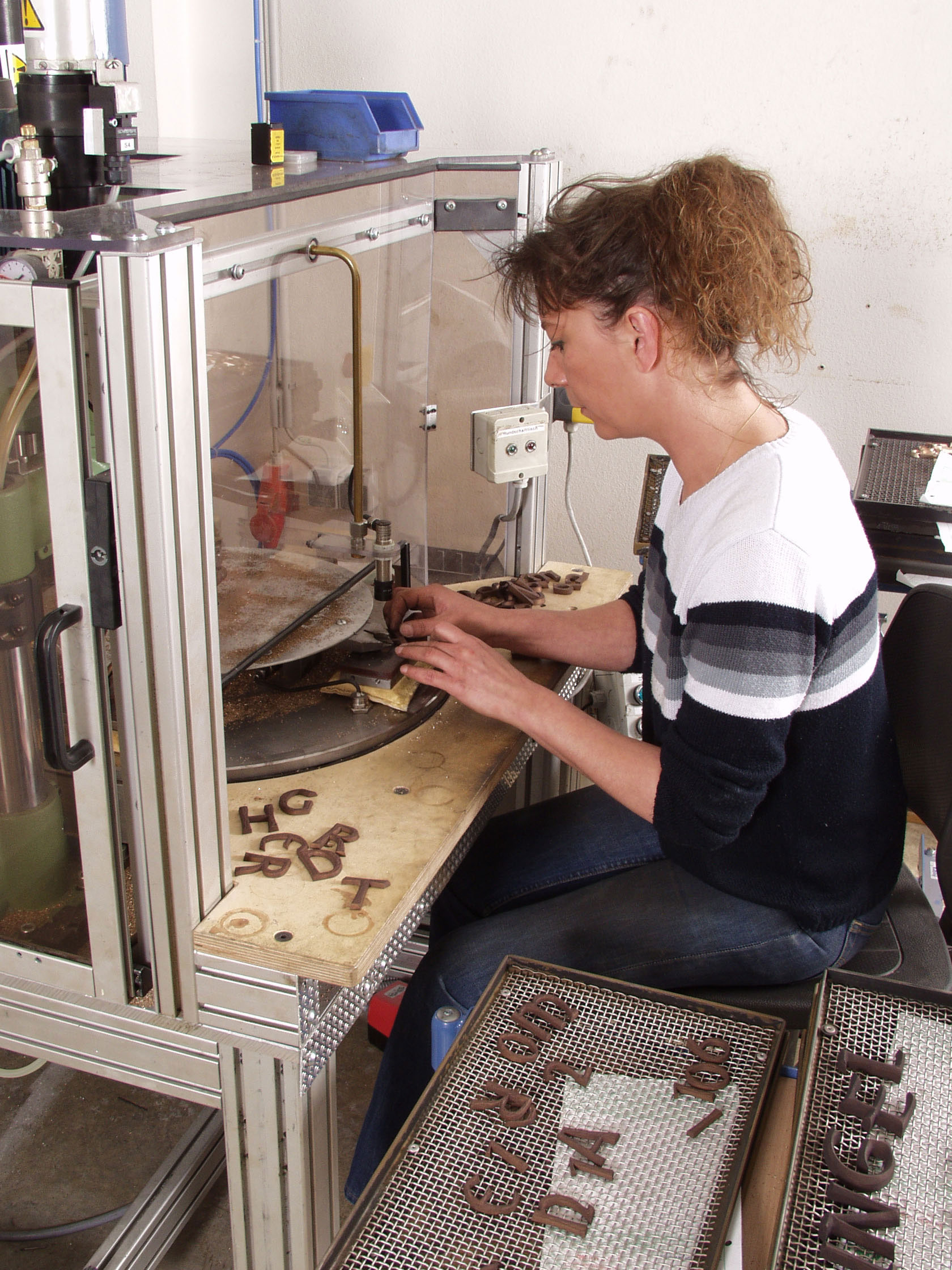
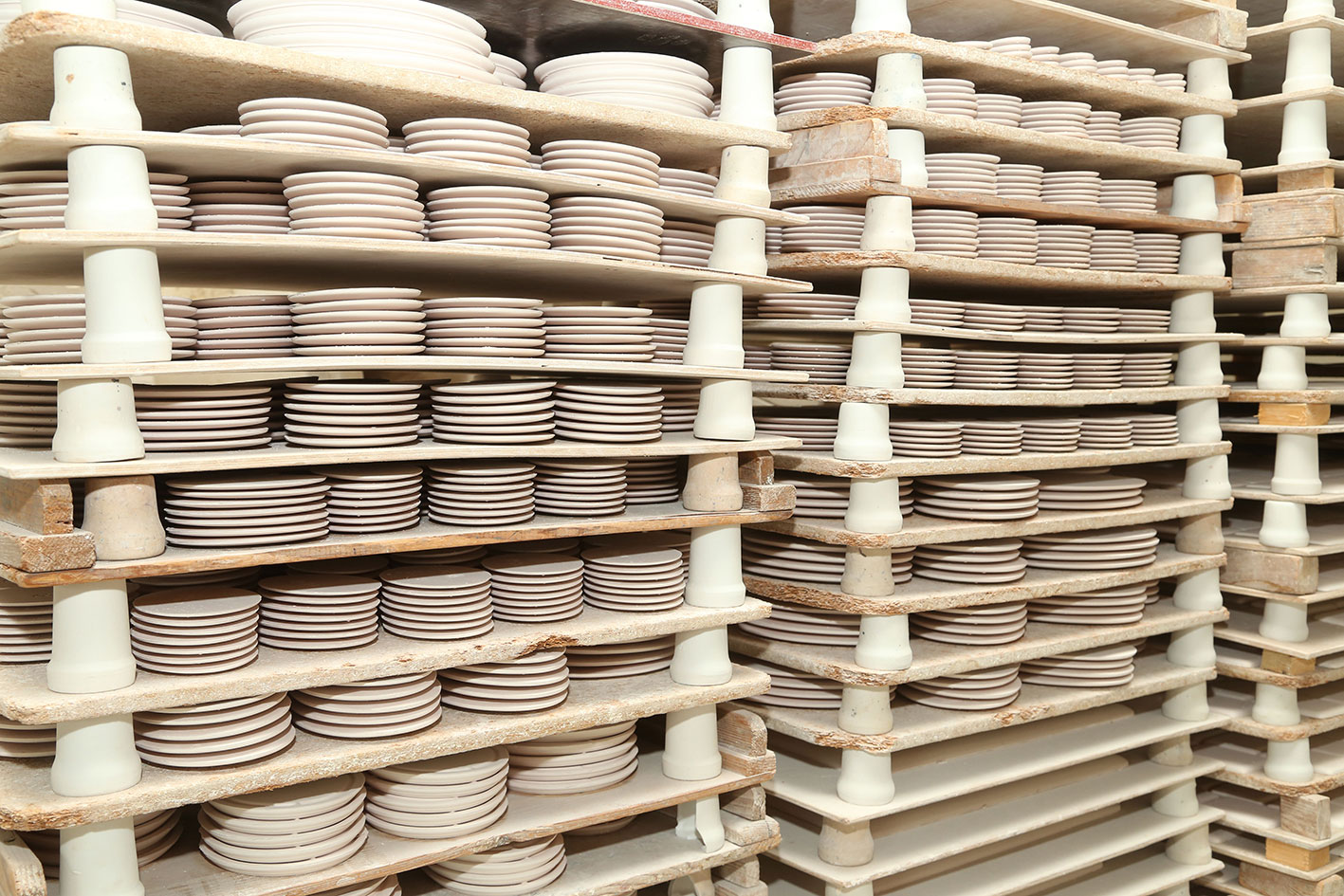
Around the turn of the millennium, the Plein Art Foundry resumed production of ceramic products. This was followed by stainless steel, reconstituted marble, glass, plastic, and, most recently, nickel silver as key materials.

Modern Technology and Artisanship
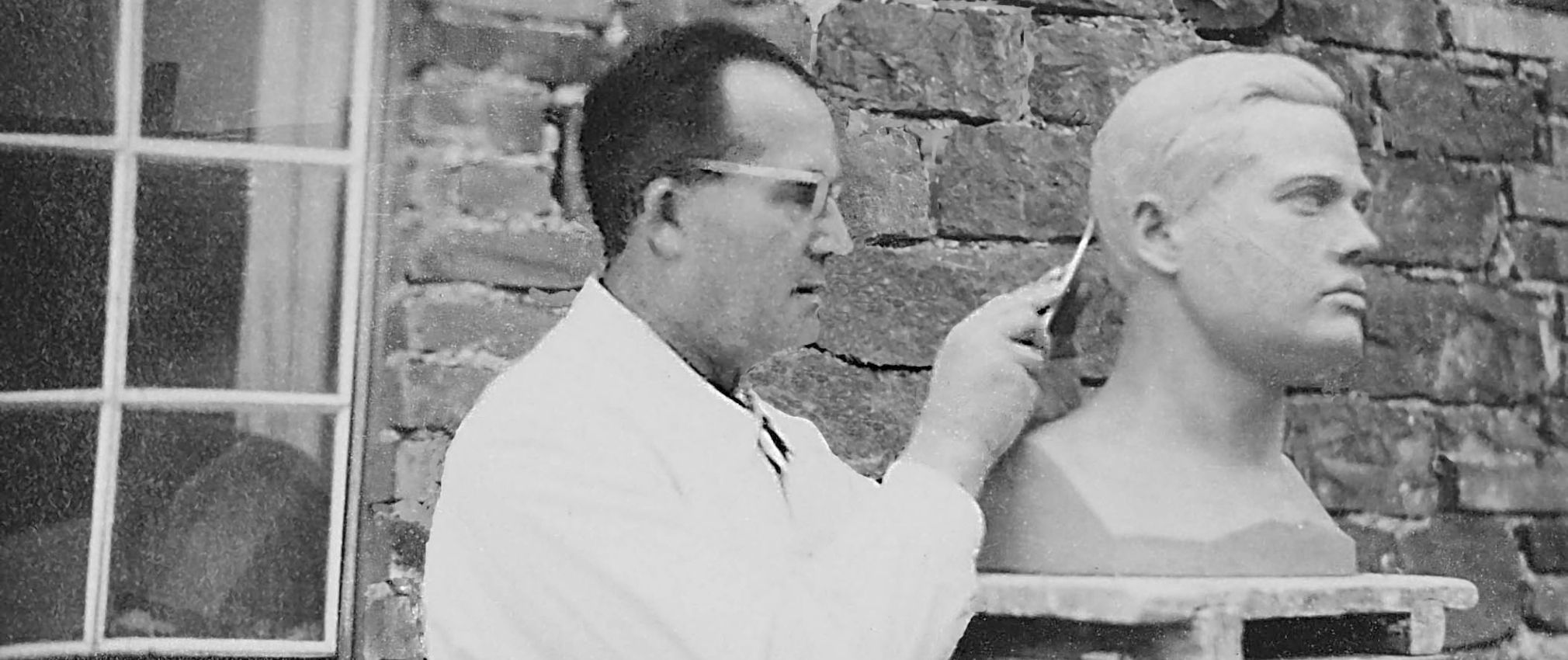
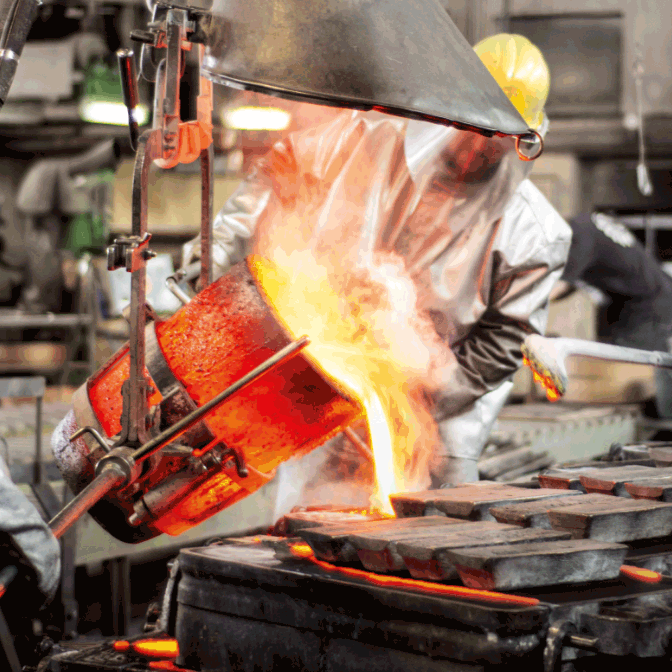
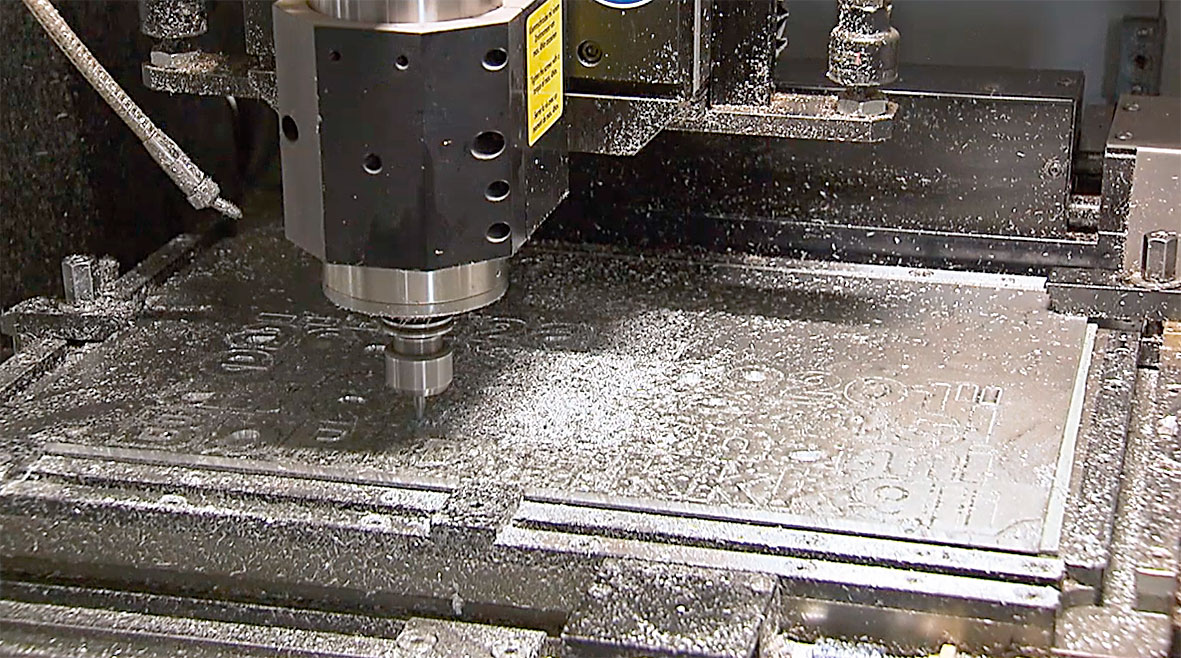
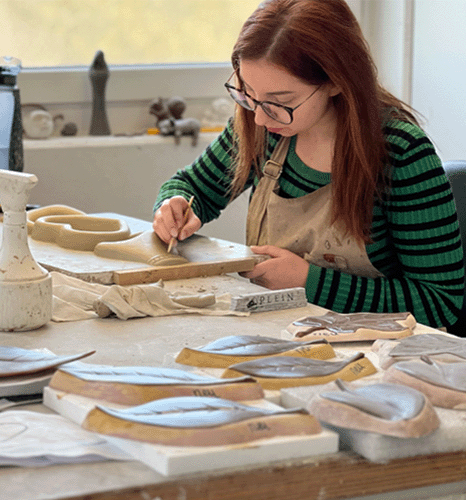
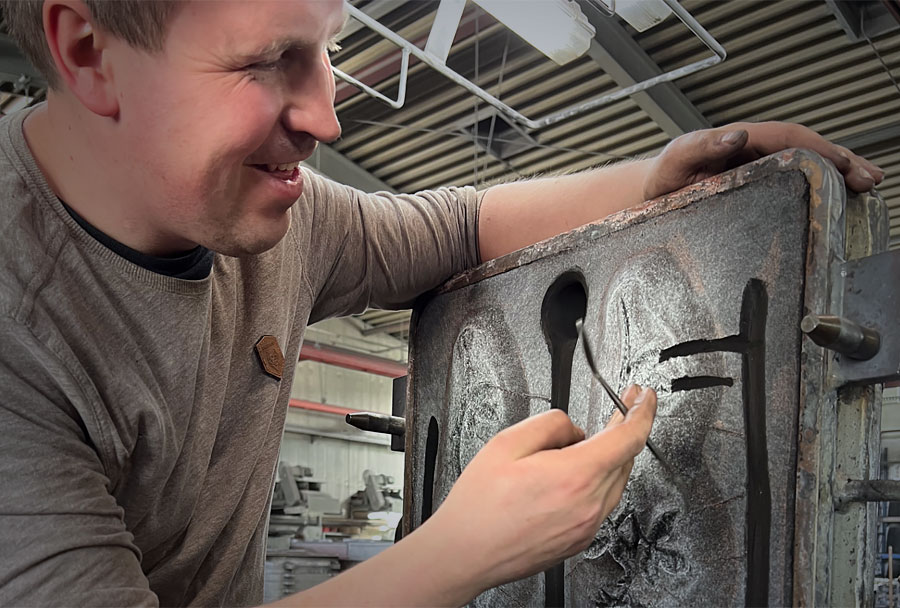
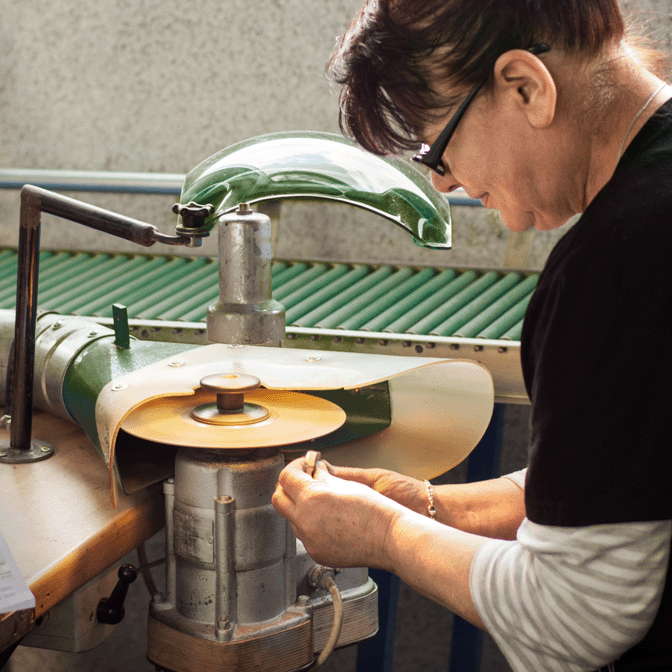
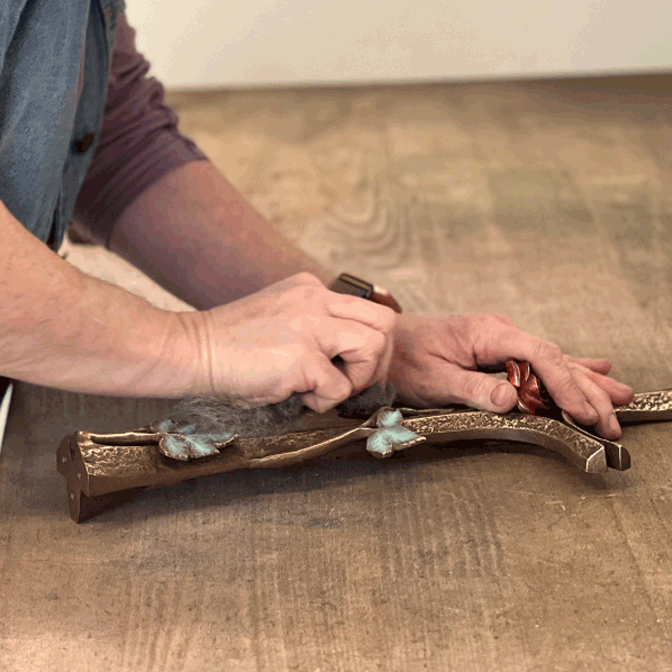
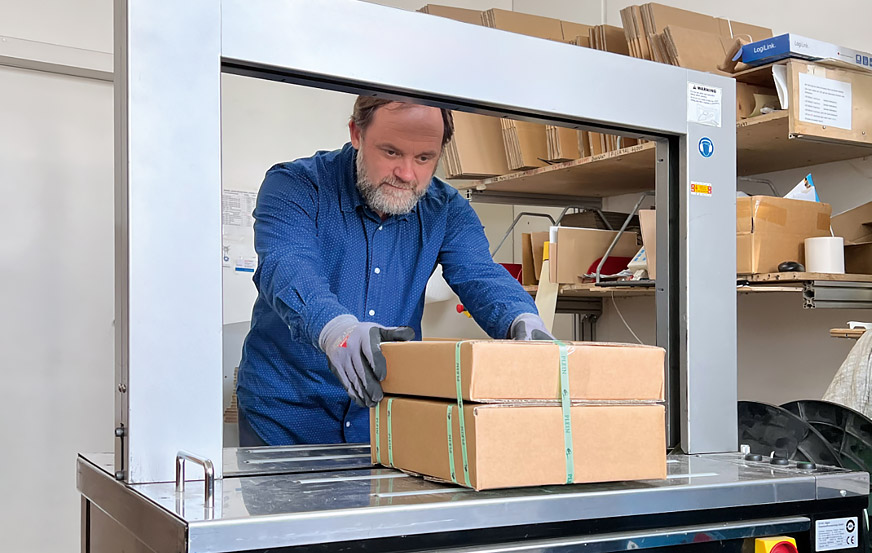
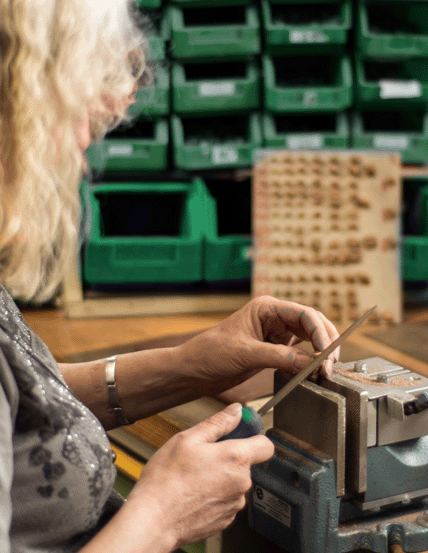
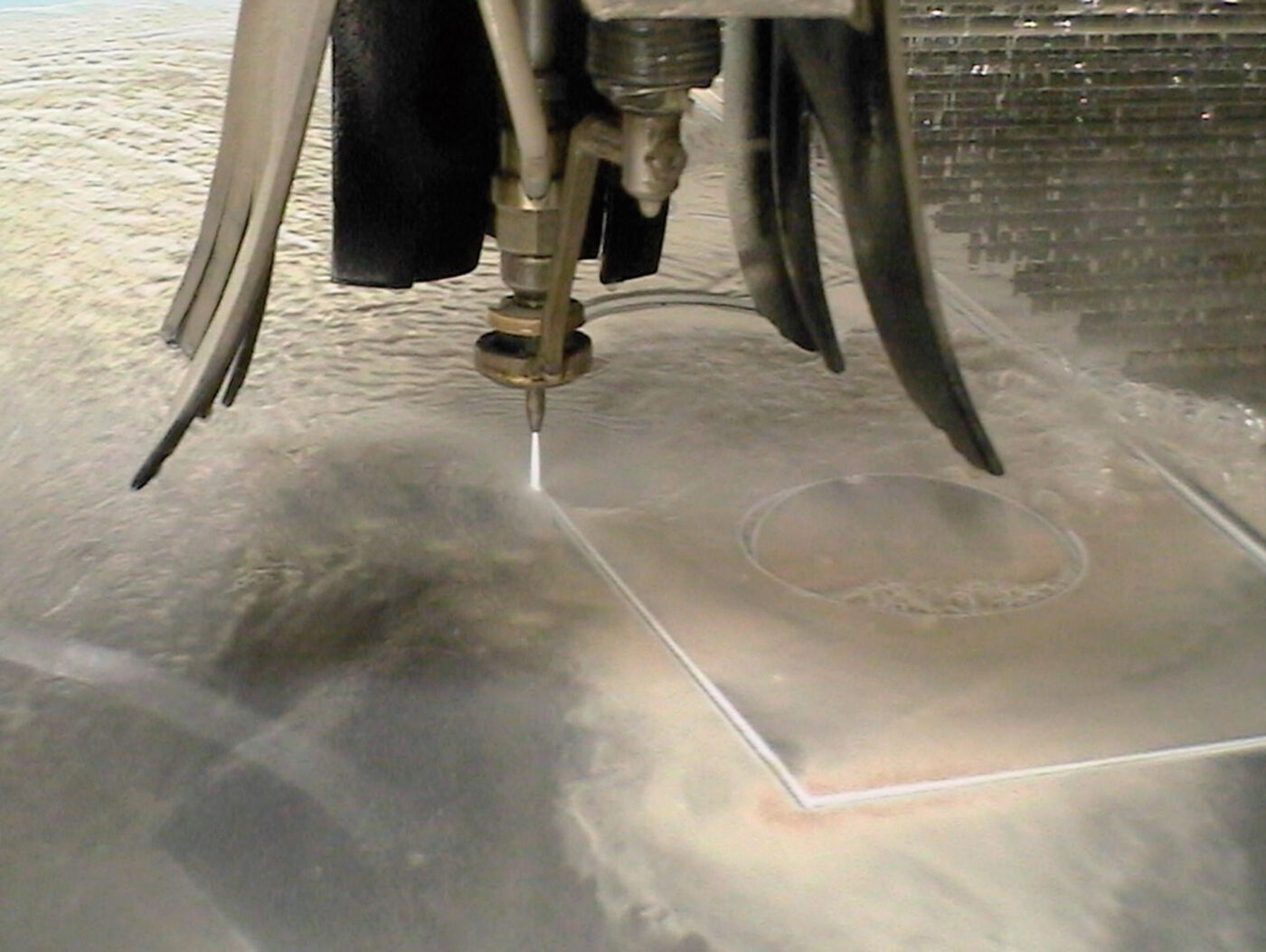
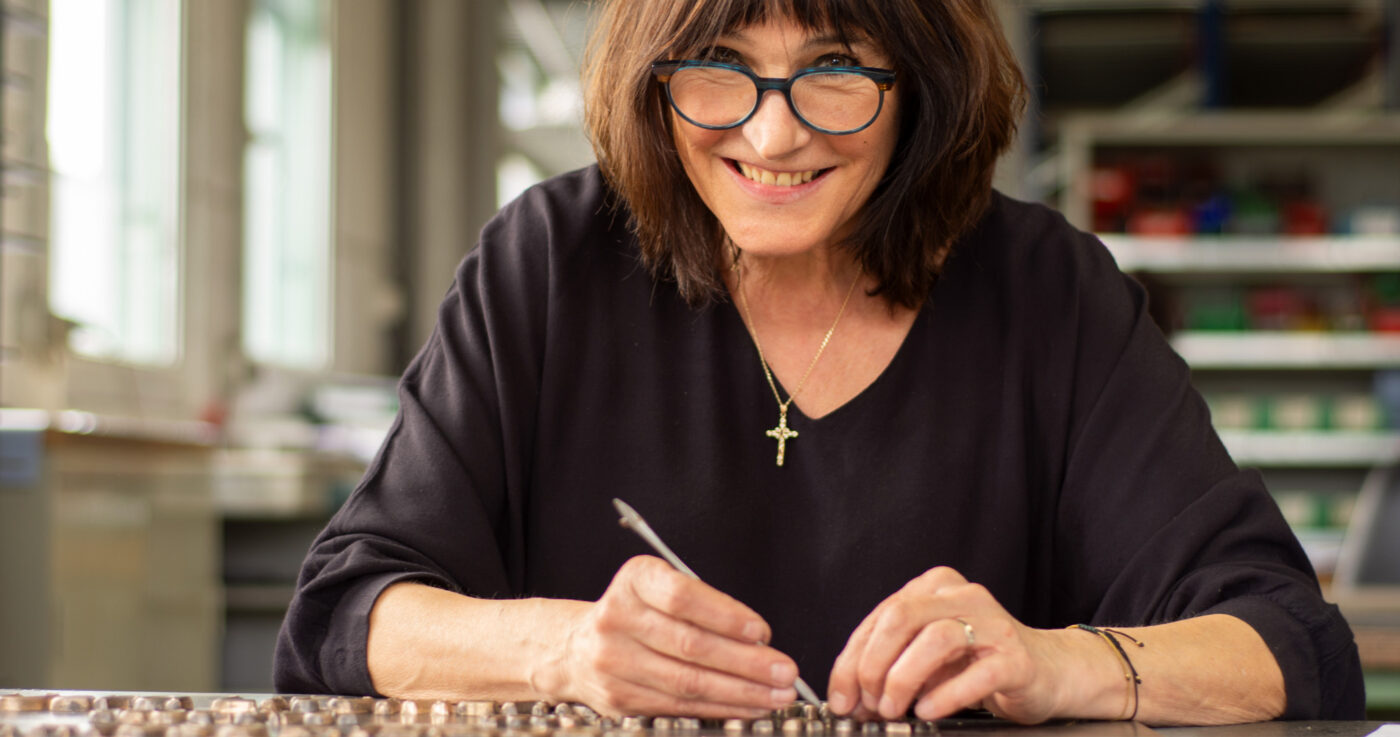
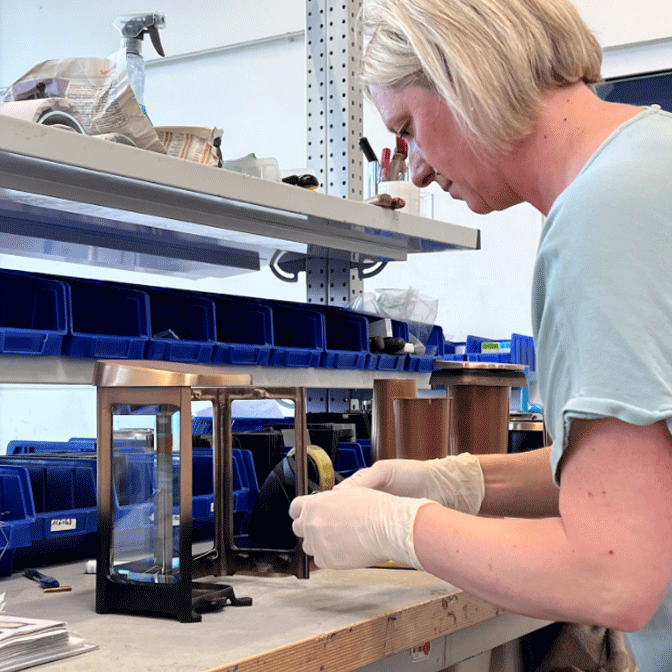
Today, the art foundry combines traditional casting methods with state-of-the-art technology to work with a wide variety of materials. Each piece begins with a handcrafted model made of wax, clay, or plaster, which experienced artisans transform into a finished work of art.






Diversity and Quality
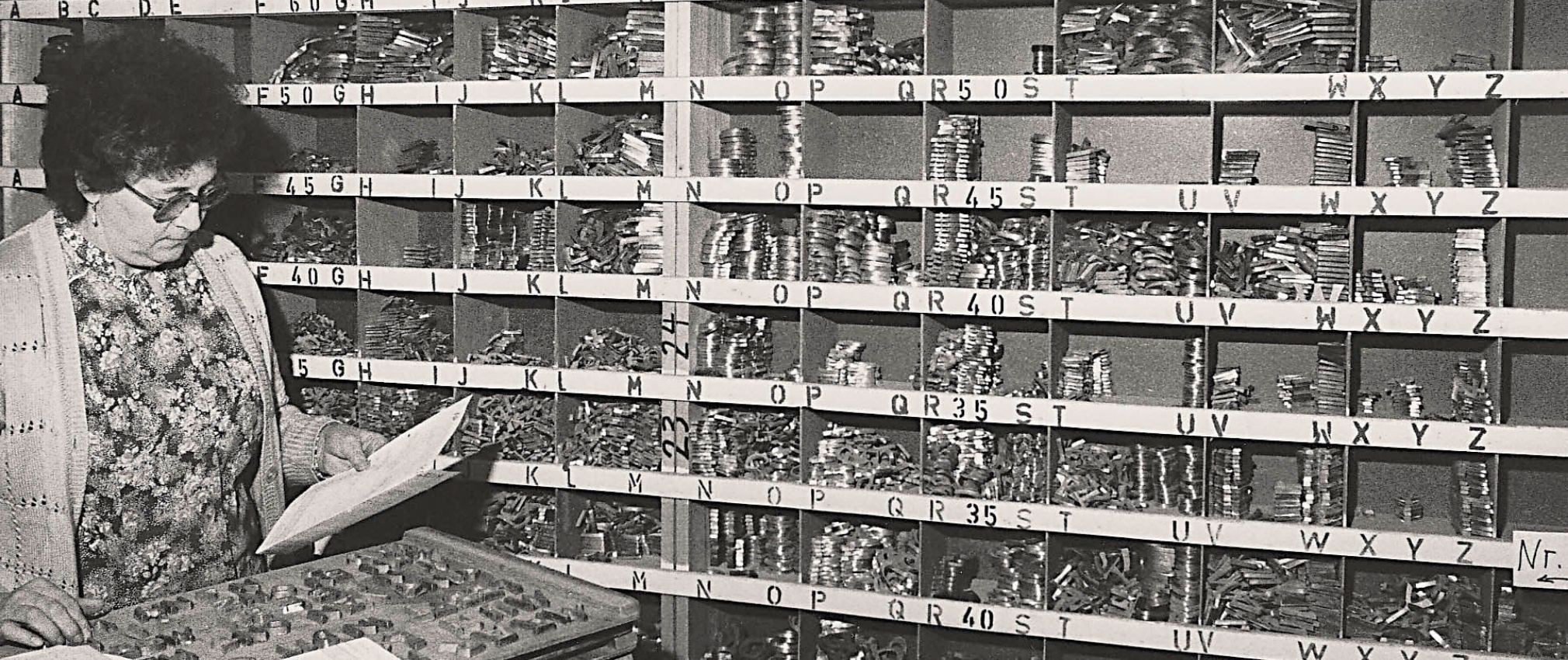
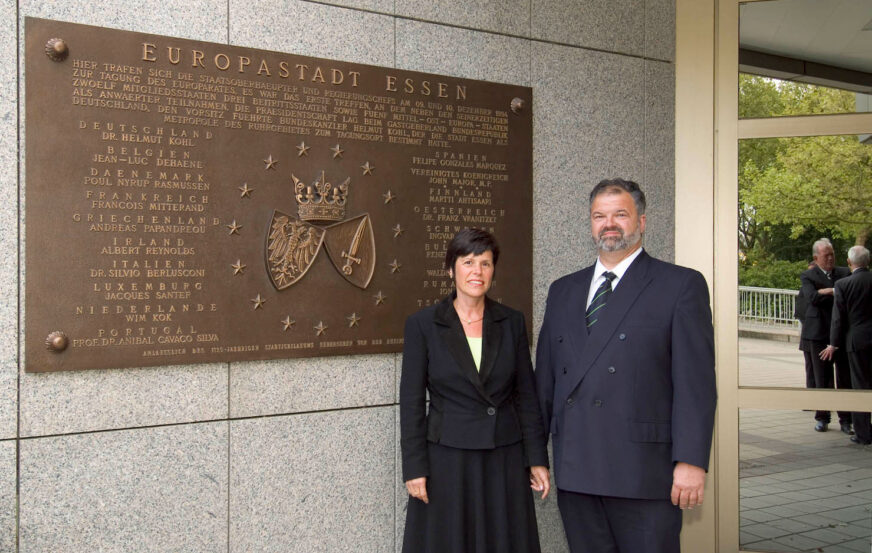
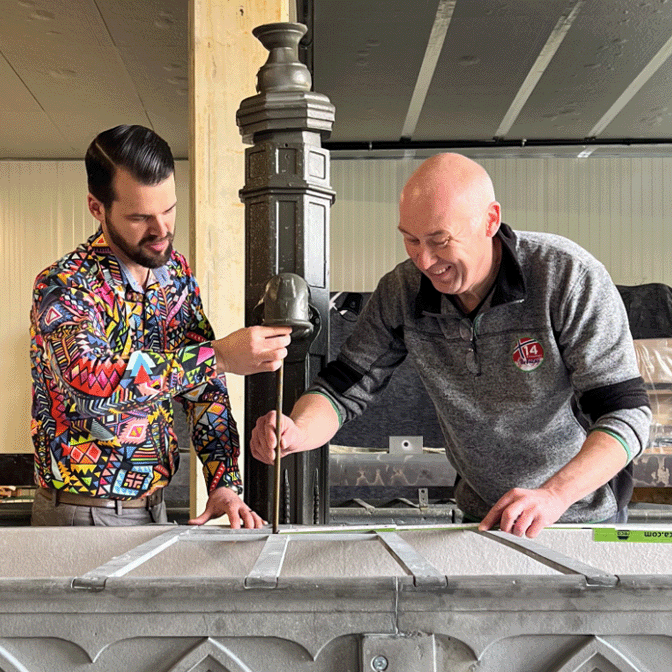
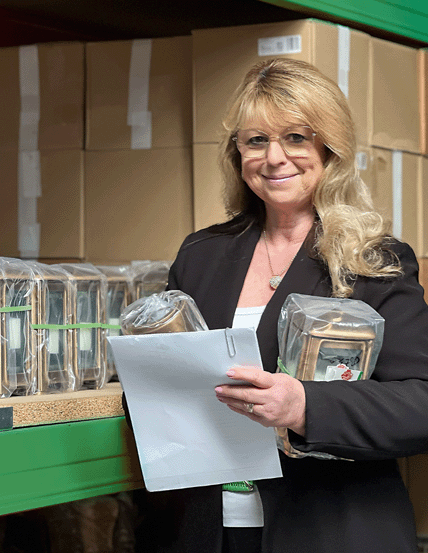
The product range includes sculptures, attached letters, commemorative plaques, and much more. In addition to creating new pieces, the company also specializes in the restoration of valuable objects.
Vision for the Future
The Plein Art Foundry preserves its tradition of craftsmanship and continually combines it with technical innovations. Its works embody durability and beauty that are meant to last for generations.